

City guides
 United Arab Emirates
Abu Dhabi Travel Guide
The brash, bold city of Abu Dhabi is a modern marvel, capital of the wealthy United Arab Emirates and headquarters of the world's richest oil operating companies. The pulsating city, with futuristic skyscrapers and wide tree-lined boulevards, is capitalising on its sophistication, amazing duty-free shopping zone, luxury hotels and top-class transport and communication infrastructure to attract tourists. They come not only for the 'retail therapy' and glitz, but also to explore the fascinating culture of the vast Abu Dhabi Emirate itself (it's the largest of the seven Emirates), with its miles of desert and interesting oases.
The city juts out into the Persian Gulf, with land having been reclaimed from the sea to make way for a long seafront Corniche lined with lush gardens and gushing fountains. It's a relatively young city, the area having been first settled by nomadic tribesmen in the mid-18th century. It remained little more than a fishing village until oil was discovered in the 1950s and the financial and trading boom began.
Today the international airport and deep water port bring in visitors from around the world, most clutching credit cards and cash, set on spending as much as possible in the enticing shopping malls and buzzing souk (market). Limousines are a common sight in the congested streets, and restaurants that offer the cuisine of many nations do a roaring trade, especially along the waterfront. Shopping fever is at its height during the annual Shopping Festival. Those taking a break from modern luxury can escape to the desert for a Bedouin feast under the stars, or a camel ride through the dunes.
Things to do in Abu Dhabi
Abu Dhabi is not typically considered to be a tourist destination, but there's a whole lot more to see and do here than shopping or business meetings. More good news is that many of Abu Dhabi's quality attractions are free. Travellers should take note that getting around the city by foot isn't much of an option due to the extreme heat, and the best time of year for sightseeing in is between October and May.
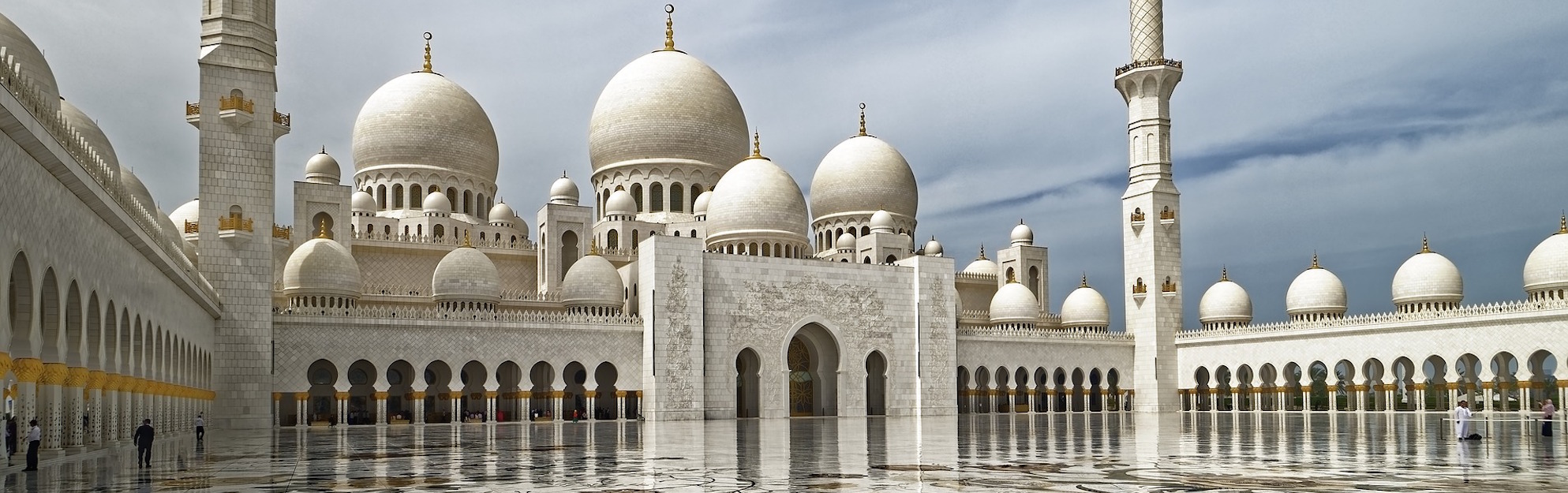
Famed for its amazing shopping opportunities, many visitors might choose to scrap any sightseeing and spend their time wandering the seemingly endless malls and districts. For those less interested in shopping, a good place to start is the Corniche, Abu Dhabi's spectacular waterfront that stretches for miles. Holidaymakers can stroll along the walkway, stop on one of the sandy beaches or take the kids to the playgrounds or go-karting track. The Sheikh Zayed Mosque is the largest mosque in the United Arab Emirates and a must-see for visitors to the city.
Most of Abu Dhabi's hotels have their own beaches, and swimming or simply lazing in the sun is a popular pastime for weary travellers looking to get their feet up.

Ferrari World
Ferrari World opened on Yas Island, Abu Dhabi, in November 2010 and is the world's largest indoor theme park, with a roof spanning over 2 million square feet. Highlights include the world's fastest roller coaster, Formula Rossa, state-of-the-art racing simulators, and attractions such as the Speed of Magic 4D experience and Bell'Italia, a miniature tour of Italy. The park also houses the largest Ferrari gallery outside Maranello. Its striking red-domed roof, featuring the world's largest Ferrari logo, was inspired by a Ferrari GT's curves and has earned multiple architectural award nominations.
Al Hosn Palace (White Fort)
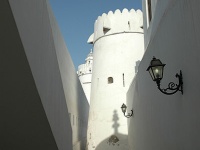
The oldest building in young Abu Dhabi is Al Hosn Palace, colloquially known as the White Fort. It was constructed in 1761 as a conical watchtower to defend the only freshwater well on Abu Dhabi Island. In 1793, it was expanded into a small fort by the then ruler, Shakhbut bin Dhiyab Al Nahyan, and became the permanent residence of the ruling Sheikh. The tower took its present shape after a major extension in the late 1930s, aided by revenues from the first oil license granted in Abu Dhabi. It remained the emir's palace and seat of government until 1966. The fort underwent extensive renovations between 1976 and 1983, during which it was painted white, earning it the nickname 'White Fort'. Today, it houses the Cultural Foundation, featuring a museum of traditional artefacts and historical photographs. The palace is renowned for the magnificent tilework over its main gate.
Heritage Village
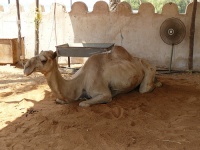
Heritage Village in Abu Dhabi, located on the Corniche Breakwater, is a reconstructed oasis village offering a glimpse into traditional Bedouin life. It features mud-brick houses with wind towers, a mosque, a souk, and an ancient falaj irrigation system. Visitors can explore a museum of Emirati artefacts and watch artisans demonstrate traditional crafts such as pottery, weaving, and metalwork. The village also includes workshops hosted by the Emirates Heritage Club. A small spice shop sells dried herbs, handmade soaps, and souvenirs. Entry is free, with daily opening hours, making it a popular cultural attraction in the capital.
Liwa Oasis
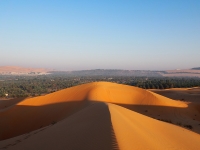
Several tour operators in Abu Dhabi offer trips to the Liwa Oasis, located approximately a three-hour drive along a modern highway. This verdant agricultural strip at the edge of the Rub' al Khali (Empty Quarter) is surrounded by desolate desert, with farms abutting towering sand dunes. Visitors can enjoy overnight camel trips to camp in the desert. The oasis, comprising a string of small towns and villages, is resplendent with pools of fresh water and date plantations. It is also the ancestral home of the Bani Yas tribe, from which Abu Dhabi's ruling family descends.
Al Ain
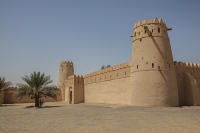
Al Ain, approximately 160 km east of Abu Dhabi, is a captivating blend of ancient heritage and modern development. Known as the 'Garden City of the Gulf', it boasts tree-lined boulevards, lush public spaces, and is encircled by red sand dunes and the vast Hajar Mountains. The city's rich history is evident in the bustling camel market near the Mezyad border crossing, where traders engage with visitors. Al Ain Museum, established in 1969, showcases artefacts from the region's past, including flint tools and arrowheads dating back to the sixth millennium BCE. Nearby, the Al Ain Palace Museum, once the residence of the late Sheikh Zayed bin Sultan Al Nahyan, offers insights into the UAE's royal history.
Marina Mall Fun City
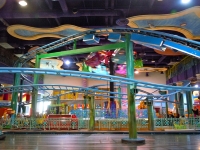
Fun City at Marina Mall is a popular indoor amusement centre catering to children aged one to 12. It offers a variety of attractions, including arcade games, bumper cars, and rides such as the 'Extreme Shock' machine. The facility also features a soft play area for younger children and hosts themed events such as dress-up sessions. Visitors can purchase play packages using a reloadable Powercard, with rides and games priced between AED 8 and AED 12 each. Special promotions, such as 'Funday Tuesday', offer discounted rates on games and rides.
Erth
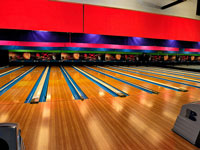
Kids in Abu Dhabi will enjoy honing their skills at Erth, where they can engage in various activities. The facility boasts an Olympic-sized swimming pool, ideal for swimmers of all levels. For those interested in other sports, Erth offers facilities for tennis, squash, volleyball and jiu-jitsu. After all that action, kids can cool off in the expansive outdoor pool area.
Erth also features a dedicated Ladies' Wellness Hub, providing a comprehensive wellness experience. This area includes a private swimming pool, massage services, steam bath, sauna, and gym, catering exclusively to women of all ages and fitness levels.

Hili Fun City
Hili Fun City in Al Ain is a long-standing family favourite and one of the UAE's oldest theme parks. Fully refurbished in 2009, the park features a wide range of attractions including a roller coaster, sky-flyer, ice skating rink, 5D cinema experience, and a mini train ride. Visitors can also enjoy well-maintained gardens and designated picnic areas, making it a relaxing and fun day out for families with young children.
Hiltonia Beach Club
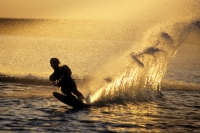
Belonging to the Hilton Abu Dhabi Hotel, Hiltonia Beach Club is an exclusive beach offering excellent facilities. Open to non-guests on weekdays for a fee, the beach provides lounge chairs and umbrellas in the sand. Guests can enjoy various water sports such as sailing, snorkelling, fishing, windsurfing, water skiing, kayaking, and jet-skiing right off the beach. Bicycling along the Corniche is also available. The club features a café and cocktail bar serving sumptuous international cuisine. There are also three swimming pools with water slides, live music and a vibrant atmosphere.
Things to do with kids in Abu Dhabi
Although Abu Dhabi's glittering skyscrapers and opulent boulevards suggest more of an adult wonderland than a children's paradise, visiting parents will be happy to learn that there are plenty of amusements that promise to keep the children entertained during their time in the city.
The many beaches and water parks are a sure way to keep the whole family occupied. For visitors seeking an escape from the sun, there are plenty of malls and amusement parks that specifically cater for children. Hili Fun City, for example, is the United Arab Emirates' answer to Disneyland, and the amusement centre at the Marina Mall offers a wide variety of arcade games and thrilling rides.
The Armed Forces Officers' Club has many facilities for kids too, and even features a spa for weary parents in need of some pampering. Khalifa Park is well worth a visit, featuring an aquarium, museum, play parks, a train and even formal gardens to enjoy some time out under the shade of a tree. With all these options, Abu Dhabi is ideal for travelling families.
Marina Mall Fun City
Fun City at Marina Mall is a popular indoor amusement centre catering to children aged one to 12. It offers a variety of attractions, including arcade games, bumper cars, and rides such as the 'Extreme Shock' machine. The facility also features a soft play area for younger children and hosts themed events such as dress-up sessions. Visitors can purchase play packages using a reloadable Powercard, with rides and games priced between AED 8 and AED 12 each. Special promotions, such as 'Funday Tuesday', offer discounted rates on games and rides.
Erth
Kids in Abu Dhabi will enjoy honing their skills at Erth, where they can engage in various activities. The facility boasts an Olympic-sized swimming pool, ideal for swimmers of all levels. For those interested in other sports, Erth offers facilities for tennis, squash, volleyball and jiu-jitsu. After all that action, kids can cool off in the expansive outdoor pool area.
Erth also features a dedicated Ladies' Wellness Hub, providing a comprehensive wellness experience. This area includes a private swimming pool, massage services, steam bath, sauna, and gym, catering exclusively to women of all ages and fitness levels.
Hili Fun City
Hili Fun City in Al Ain is a long-standing family favourite and one of the UAE's oldest theme parks. Fully refurbished in 2009, the park features a wide range of attractions including a roller coaster, sky-flyer, ice skating rink, 5D cinema experience, and a mini train ride. Visitors can also enjoy well-maintained gardens and designated picnic areas, making it a relaxing and fun day out for families with young children.
Shopping
Shopping in Abu Dhabi is a very rewarding experience with souks, malls, and airport duty-free shops offering some of the lowest prices in the world on a wide range of goods, thanks to very low import duties. Most shopping malls are open Saturday to Wednesday from 10am to 10pm, on Thursdays from 10am to 11pm, and on Fridays from 2pm until late. Independent shops close for lunch from 2pm to 4pm, and then stay open until at least 9pm.
There are a number of souks (markets) in Abu Dhabi where travellers will find a vast selection of oriental carpets, gold and antique jewellery, electronic gadgets, designer clothes, cosmetics, spices, and souvenirs. The Al Nasr Street, Sheikh Hamdan, Sheikh Khalifa, Iranian, and Al Meena souks are among the most popular. Local souvenirs include items such as traditional coffee pots, Bedouin jewellery and antique chests.
There are around 15 shopping malls and centres that have a variety of brand-name outlets, hypermarkets, cinemas, cafés, restaurants, and fast-food establishments for shoppers to enjoy. Some of the biggest are the Marina Mall, Abu Dhabi Mall, and Yas Mall. International outlets at these malls include IKEA, Woolworths, The Body Shop, Virgin Megastores, Versace, Burberry, and Gucci.
Nightlife
While quieter than Dubai, Abu Dhabi has a vibrant nightlife scene, primarily in upscale hotels where alcohol is served under UAE law. The nightlife starts around 11pm, with many venues offering live performances, happy hours, ladies' nights and quiz events.
Nightclubs in the city feature both international and local DJs, as well as live performances from Arab singers and belly dancers. Most venues enforce a smart dress code that requires collared shirts and closed-toe shoes for men.
For a more relaxed vibe, there are themed bars and lounges that provide diverse experiences for every type of night out.
Getting Around
Abu Dhabi has a large fleet of metered, government-regulated taxis that offer reliable service at reasonable fares. Most drivers speak English, and taxis now accept both cash and card payments. Ride-sharing apps such as Uber, Careem, and the Abu Dhabi Taxi app (Darb) are also available and widely used. Public buses operate throughout the city and beyond, and many hotels provide shuttle services to key destinations, including the airport.
Car and limousine rentals are available, with relatively low fuel costs. However, driving can be challenging due to fast traffic and local road customs, so hiring a car with a driver is often a better option for visitors.
While an Abu Dhabi Metro system is planned to improve connectivity between the island and suburbs, it isn't yet operational. Until then, taxis, buses, and ride-hailing services remain the most practical ways to get around.
Abu Dhabi Climate and Weather
Abu Dhabi enjoys sunshine and blue skies almost every day of the year. From June to September, the weather turns intensely hot, often topping 104°F (40°C), with July and August being the peak of the summer heat. High humidity during these months can make it feel even warmer, with heat indices reaching up to 129°F (54°C). Thankfully, air conditioning is standard in all buildings, offering a welcome escape from the heat.
The best time to visit is between October and May, when the climate is pleasantly mild and ideal for exploring the city. In January and February, daytime temperatures range from 55°F (13°C) to 75°F (24°C), which is cool enough to wear a cardigan outdoors in the mornings and evenings. Rain is rare, with only the occasional light shower, most likely in January.
United Arab Emirates travel info
Electricity
The electrical supply is 220 volts at 50 Hz. The most commonly used plugs are flat, three-pin types.
Language
Arabic is the official language of the Emirates, but English is widely spoken.
Money
The currency of the United Arab Emirates is the Dirham (AED), divided into 100 fils and pegged to the US Dollar at a fixed rate of 1 USD to 3.6725 AED. Major foreign currencies are easily exchanged at banks, licensed moneychangers, and large hotels. While private exchange offices in souks and shopping centres may offer competitive rates, using licensed outlets is recommended. Credit cards such as Visa, MasterCard, and American Express are widely accepted. Digital wallets such as Apple Pay, Google Pay, and Samsung Pay are also common in urban areas, especially in shops, restaurants, hotels, and ride-hailing services. However, public transport typically requires a Nol card. Cash or cards may still be preferred in smaller or remote areas. ATMs are widely available and support multiple languages. Banks usually operate Saturday to Thursday from 8am to 3pm, with some open later; most are closed on Fridays, the UAE's weekend day.
Tipping
Tipping in the UAE is generally appreciated but not obligatory. If a service charge isn't already included in the bill, leaving around 10 percent is typical. Many hotels and restaurants automatically add a service charge, so it's worth checking the bill first.
Health
No vaccinations are required for entry into the UAE, but a yellow fever vaccination certificate is needed for travellers from affected areas. Tap water in major cities such as Dubai and Abu Dhabi is safe to drink, as it meets WHO standards. However, water quality can vary, so many visitors prefer bottled water. Medical care in the UAE is excellent, particularly in cities, but it can be expensive. In remote areas, medical services may be limited. Health insurance is essential, as visitors may need proof of insurance or the ability to pay before receiving treatment.
Safety
Most visits to the UAE are trouble-free, as it's one of the safest countries in the Middle East. Crime is rare, but there's some awareness of potential threats to Western interests, especially in popular areas such as entertainment venues and public spaces. While the UAE hasn't been a frequent target of terrorism, there have been occasional incidents, such as a drone attack in Abu Dhabi in January 2022. Visitors are encouraged to stay alert in crowded places and avoid political gatherings or protests. Although terrorist groups have issued threats in the region, the UAE remains a safe destination with standard safety precautions in place.
Local customs
Alcohol is typically served only in licensed venues such as hotels and certain restaurants; drinking or being intoxicated in public is prohibited, with serious penalties. Some prescribed and over-the-counter medications from outside the UAE may be considered controlled substances, so it's important to check with the Ministry of Health for approval before bringing them into the country. Modesty in dress and behaviour is encouraged, especially during Ramadan, when eating, drinking, or smoking in public between sunrise and sunset is considered disrespectful. Cohabitation, adultery, and homosexual activity are illegal, and public displays of affection or rude gestures are not permitted. While the UAE is generally tolerant of Western visitors, respecting local customs is essential.
Doing business
Business attire is typically formal for both men and women, with women encouraged to dress conservatively by covering their arms and legs. The business environment is predominantly male, so interactions with women in business may be less common. Punctuality is important and shows respect, though occasional delays or interruptions in meetings are not unusual, so patience is appreciated.
A polite greeting, such as 'As-Salaam-Alaikum,' is often preferred over 'Hello.' Men should wait for women to offer their hand before shaking hands; if no handshake is offered, a nod or simple bow is a respectful alternative. While verbal agreements can occur, written contracts are usually preferred, and both Gregorian and Hijri dates should be used in documents.
Gifts are welcome but visitors should avoid giving alcohol or pig-related items. Friday is a day of rest, so business may be limited. Typical business hours are 9am to 5pm, Sunday to Thursday. During Ramadan, business hours are adjusted.
Duty free
Visitors to the UAE do not need to pay customs duty on 400 cigarettes, 50 cigars, 500g of tobacco, and goods up to the value of AED 3,000. Alcohol allowances vary by emirate. Dubai: 24 cans of beer or 4 litres of any other alcohol. Abu Dhabi and Fujairah: 4 litres of alcohol, provided the traveller is not Muslim. Sharjah: 2 litres of alcohol and 1 case of beer, though alcohol restrictions are more strictly enforced. Fruit and vegetables from areas affected by cholera or other health risks are strictly prohibited.
Communications
The international code for the United Arab Emirates is +971. Travellers can purchase local SIM cards for unlocked phones at the airports or city shops. WiFi is widespread, but the internet is censored to filter out any material and websites deemed undesirable by the authorities.
Passport & Visa
All visitors to the United Arab Emirates must hold a passport that's valid for at least six months from the date of entry. It's also strongly recommended that passports remain valid for six months beyond the intended date of departure. Travellers should carry confirmed tickets for their next destination and may need to provide proof of accommodation or sponsorship, depending on their visa type. Some visa categories require a local sponsor (such as a hotel, company, or UAE resident), while others (such as visas on arrival for eligible nationalities) do not.
Entry requirements
United States citizens require a passport that's valid for six months after their date of arrival. No visa is required for tourist stays under 30 days.
British passports must be valid for six months after the date of entry. Tourists can get a free tourist visa on arrival in the UAE, valid for up to 90 days within a 180-day period.
Canadian passports must be valid for at least six months beyond the date of entry. Tourists can get a free visa on arrival in the UAE, valid for 90 days within a 180-day period from the date of first entry.
Australian passports must be valid for at least six months from the date of entry. Tourists can get a free tourist visa on arrival in the UAE, valid for up to 90 days within a 180-day period.
South African nationals require a passport that's valid for six months from the date of entry. A visa is required.
Irish nationals require a passport that's valid for six months from the date of entry. Tourists with a normal passport do not need a visa for a maximum of 30 days. They can apply to extend their stay for an additional 30 days.
Passports must be valid for at least six months from the date of entry. Nationals of New Zealand with a normal passport do not need a visa for a maximum of 30 days. They can apply to extend their stay for an additional 30 days.
Useful contacts
Official Tourism Portal: u.ae/en/information-and-services/visiting-and-exploring-the-uae
999 (ambulance, police, fire).