

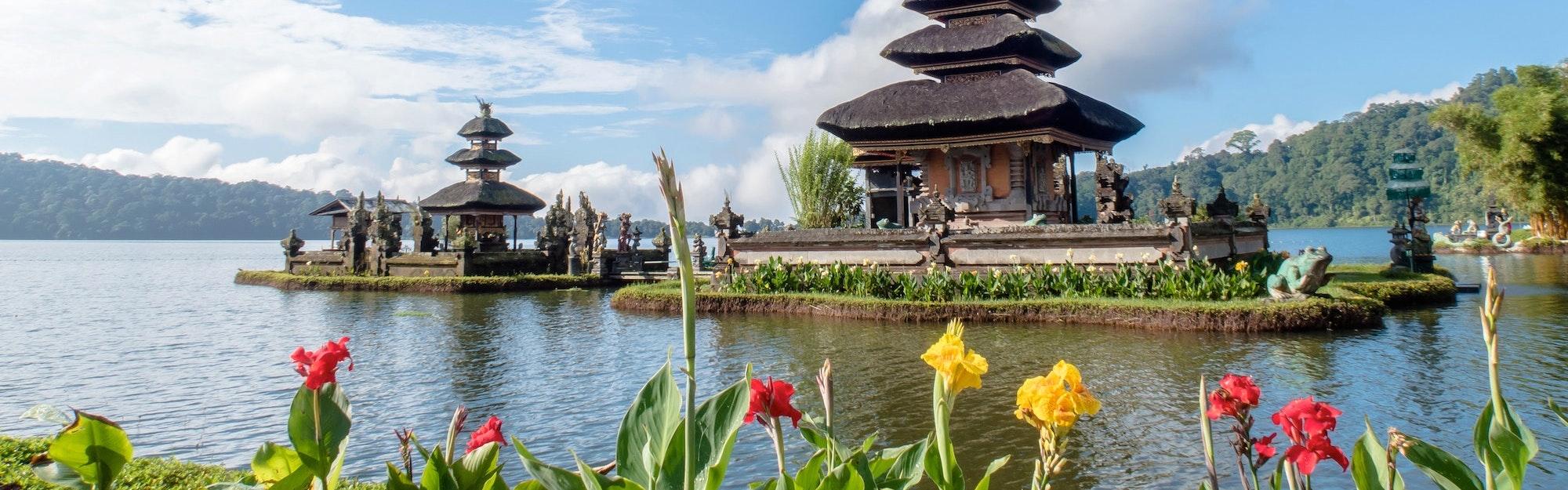

Bali Travel Guide
Long recognised as an exotic paradise, the island of Bali is a picturesque vision of green rice fields and plantations, soaring volcanoes, cool lakes, rushing rivers, lush forests and palm-fringed beaches. It is Indonesia's number one tourist spot and it is not difficult to understand why, with its incredible coastline and the charm of its smiling people, especially in the many small rural villages and fascinating places of the fertile interior.
What sets Bali apart from the rest of Indonesia is the prevalence of Balinese Hinduism. Scattered around Bali are thousands of Hindu temples and places of worship. The island's religious beliefs are evident in the ceremonies, daily rituals and attitudes of the locals, in the offerings of flowers and food that adorn the roadsides, the charms hung inside taxis, and the numerous vibrant festivals that occur throughout the year. It is also perceptible in local reverence for the Holy Mountain, the soaring volcanic cone of Gunung Agung, which is the spiritual centre of the Balinese universe. Art is an integral part of daily life and every village has its artists, from internationally acclaimed painters to aspirational young cow herders. Ubud, the cultural centre, with its streets lined with art and crafts shops, also offers regular performances of traditional Balinese dance and music. Art, together with tourism, is an important source of revenue for the island.
With its fine beach, the popular resort of Kuta is the most visited destination. Located just a short drive from the airport in southern Bali, it is blessed with a lovely sweep of golden sand, crashing surf and spectacular sunsets. Visitors will find a range of tourist trappings along with the natural attractions, including shops, hotels, excellent restaurants and an energetic nightlife.
There are numerous other beach resorts around the island, with more peaceful settings on the east coast at Candidasa, Sanur, the fishing village of Padang Bai, and on the northern coast at Lovina. Though not as developed as the south of the island, Lovina retains a rural charm travellers won't find in the more commercial areas, with guesthouses prettily situated on the beach or among rice fields. Lovina is also a good base for diving excursions.
Bali is a tropical paradise with a rich and intriguing culture, and beautiful land and seascapes. Travellers will find it an idyllic holiday destination.
Things to do in Bali
Sightseeing in Bali is usually a relaxing undertaking, with many of the island's best attractions being conveniently situated around its breathtaking beaches. Bali's verdant, tropical interior lies virtually a step away from these sugary white sands and warm waters, confirming that there is much more to this popular island than just its glorious beaches.
Kuta beach is without a doubt the beach to visit for sun and surf, but there are plenty of others worth exploring, such as Legian and Sanur. Seminyak beach is the place for art lovers to peruse tiny shopping galleries. Nature lovers will have a great time exploring Bali's waterfalls, such as Gitgit and Blahmantung Falls, while the very fit will love a sunrise climb to the top of Mount Batur, or one of the other volcanoes that form the island's peaks. After a long day of exploring, the hot springs of Banjar will rejuvenate tired muscles. Tourists can see Bali's wildlife up close at the Sangeh Monkey Forest. For something a little more exciting, it is possible to book an elephant safari.
Aside from the natural wonders available, Bali has many cultural gems as well. Every village is required to maintain at least three Hindu temples, including the largest on the island, the Nine Directional Temples. Pura Luhur Uluwatu, perched on the cliffs above Uluwatu, is regarded as the most spectacular temple on the island. There is also a wealth of local art, best showcased in Ubud's museums.
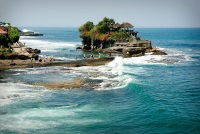
Tanah Lot
Meaning 'land in the middle of the sea', Tanah Lot is an exquisite sea temple built atop a rock formation off the island of Bali. A very popular tourist spot and a great location for photographs, Tanah Lot sits on a rocky island, in waters occupied by poisonous sea snakes that are believed to guard the temple from evil spirits and intruders. Despite the alleged presence of the snakes it is possible (and fun) to walk or wade to the temple cave at low tide. The temple was built by one of the last priests to arrive in Bali from Java in the 16th century and unfortunately the main temple can't be entered.
Travellers may also want to visit Pura Luhur Uluwatu, which is a two-hour drive south of Tanah Lot. Renowned for its magnificent clifftop setting, it is another famous sea temple that protects Bali from evil sea spirits. Like Tanah Lot, only Hindu worshippers are allowed to enter the main temple, though the beautiful location and the daily sunset Kecak dance performances make visiting more than worthwhile. Of the two temples, Uluwatu is said to have the better sunset but, unlike Tanah, visitors will have to navigate the local monkey population.
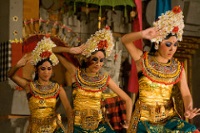
Ubud
Set in the hills north of Denpasar, Ubud is the cultural centre of Bali. The major attractions of the town and its surrounding villages are the art museums and galleries, notably the Neka Museum, containing a huge collection of traditional and modern Balinese paintings. An enormous variety of Balinese art and crafts line the streets and crowd the marketplace of Ubud. Frequent performances of traditional dance and music, and restaurants offering some of the best food on the island compel visitors to stay much longer than intended.
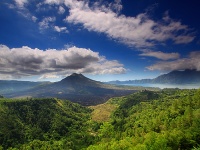
Gunung Batur Volcano
The still-active Gunung Batur volcano is known as Bali's second holiest mountain and symbolises the female element of the island. The male element is symbolised in Gunung Agung, a neighbouring smaller volcano. The walk up Mount Batur is not easy, but the views are spectacular and, if travellers are lucky, they might even spot a few monkeys along the way. Gunung Batur rises from a volcanic crater that also contains a lake and the view of this otherworldly landscape from the crater rim is spectacular. Visitors should look out for the remnants of black lava flows on the western side of the mountain from this vantage.
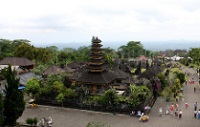
Pura Besakih
Locally known as the Mother Temple of Bali, Pura Besakih is located on the slopes of Mount Agung and is the biggest and holiest of all Balinese temples. Dating back to the 14th century, the three main temples are dedicated to Shiva, Brahma and Wisnu, and another 18 separate sanctuaries belonging to different regencies and caste groups surround these. The complex has been built over centuries and is very impressive. Despite the hassle of dealing with insistent local touts, this is a beautiful and interesting attraction and many will find it rewarding.
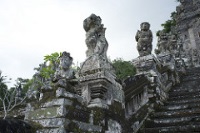
Pura Kehen
One of the most valued temples in Bali, Pura Kehen is a garden temple located in the town of Bangli in East Bali and can be traced back to the 11th century. Founded by Sri Brahma Kemuti Ketu, Pura Kehen is the second largest temple on Bali and the most sacred in the region. Many visitors are mesmerised by the temple's grandeur and the steep steps leading dramatically up to the gateway. Like the Mother Temple of Pura Besakih, Pura Kehen was built on the slope of a hill and has eight terraces.
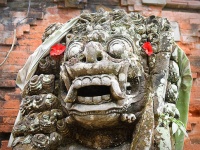
Batubulan
The small village of Batubulan is marked by stone figures of gods and demons on the side of the road. Known mostly for its stone carvings, Batubulan is a popular centre for cultural tourism and attracts travellers looking for a unique souvenir to take home with them. Visitors to the village can even enjoy visiting the workshops and watching the artists at work. Batubulan actually means 'moonstone' and stone carving has been the main industry of the village for a long time. The temples in the area reflect the traditional talent of the local inhabitants and some remarkable stone carvings are on display at temples such as Pura Puseh.
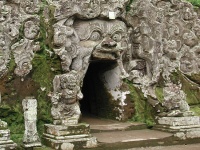
Elephant Cave
Built in the 9th century, Goa Gajah, or Elephant Cave, is located near Ubud and originally served as a sanctuary; it is now a UNESCO World Heritage Site. With a wonderfully carved entrance featuring menacing creatures and demons, children will find a visit to this historic cave an unforgettable experience (as will adults!). The main figure was once thought to be an elephant, hence the name, and in the 1950s a bathing pool was excavated; it was thought to have been built to ward off evil spirits. Visitors can wash their hands and feet in the fountains and there are usually locals on hand selling prayer offerings and the like.
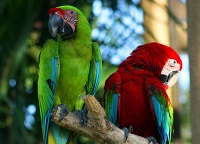
Bali Bird Park
The Bali Bird Park is home to a spectacular collection of more than 1,000 birds of about 250 different species. Kids will love spotting their favourite birds and learning about the exotic species they have never encountered before. Birds such as Macaws, peacocks, parrots, white herons and many more can be seen. The park is divided into regions that recreate natural habitats for the birds, complete with indigenous plant life and other artefacts from the region in question. Regions represented in the park include Bali, Papua, Java, Sumatra, South America and South Africa.
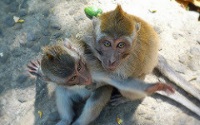
Sacred Monkey Forest of Padangtegal
Featuring more than 180 species of trees, many of which are considered holy and used in various Balinese spiritual practices, the Monkey Forest in Ubud is a fantastic place for kids and adults to spend the day exploring. The forest is seen as a marriage of nature with human endeavour and is considered a sacred place. In Balinese culture it is not just the temples that are considered holy but the surrounding gardens and forests as well. Traditionally monkeys are often seen as guardians of temples and are thought to ward off evil spirits.
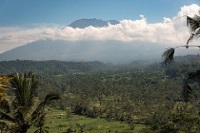
Sidemen Valley
A typical Balinese village tucked away in a lush green valley, Sidemen is a popular excursion on Bali for tourists looking for peace and quiet. Terraced rice paddies lie under the shadow of a volcano, which offers good opportunities for hiking. Other active pursuits in the valley include cycling and whitewater rafting. The village of Sidemen is known for its skillful weavers, who make the intricate silver-and-gold songket fabric used in traditional weddings. The Pelangi Workshop allows visitors to watch the weaving process, and there are several shops in town to buy songket fabric along with other souvenirs.
Things to do with kids in Bali
Bali is the ideal holiday destination for children. Beyond the sun-drenched beaches, there are a multitude of attractions and activities for kids of all ages to enjoy.
Tourists can take the family to the Bali Butterfly Park in Tabanan, explore the Ubud Monkey Forest, or enjoy an exciting encounter with some of Bali's wildlife by taking the kids on an elephant safari to explore the Bali Elephant Safari Park of Desa Taro, north of Ubud. The wonderful forests and parks also provide plenty of open space for children to let off some steam and families to relax together.
With thrilling rides, a spa, pool bar and even a food hall, the water park called Waterbom Bali is the perfect place to take the family for a day to cool off from the Balinese heat. Older kids will love rides such as the race track, the Superbowl, the Macaroni, Jungle Ride and even the Smashdown, while the younger ones will enjoy paddling round the Kiddy Park. For a seriously lazy day, families can pack the bucket and spade and head to any one of Bali's beaches to relax in the sunshine.
On days when outdoor activities are not an option, kids will love a shadow puppet play, which is an unforgettable and unique experience.
Elephant Cave
Built in the 9th century, Goa Gajah, or Elephant Cave, is located near Ubud and originally served as a sanctuary; it is now a UNESCO World Heritage Site. With a wonderfully carved entrance featuring menacing creatures and demons, children will find a visit to this historic cave an unforgettable experience (as will adults!). The main figure was once thought to be an elephant, hence the name, and in the 1950s a bathing pool was excavated; it was thought to have been built to ward off evil spirits. Visitors can wash their hands and feet in the fountains and there are usually locals on hand selling prayer offerings and the like.
Bali Bird Park
The Bali Bird Park is home to a spectacular collection of more than 1,000 birds of about 250 different species. Kids will love spotting their favourite birds and learning about the exotic species they have never encountered before. Birds such as Macaws, peacocks, parrots, white herons and many more can be seen. The park is divided into regions that recreate natural habitats for the birds, complete with indigenous plant life and other artefacts from the region in question. Regions represented in the park include Bali, Papua, Java, Sumatra, South America and South Africa.
Sacred Monkey Forest of Padangtegal
Featuring more than 180 species of trees, many of which are considered holy and used in various Balinese spiritual practices, the Monkey Forest in Ubud is a fantastic place for kids and adults to spend the day exploring. The forest is seen as a marriage of nature with human endeavour and is considered a sacred place. In Balinese culture it is not just the temples that are considered holy but the surrounding gardens and forests as well. Traditionally monkeys are often seen as guardians of temples and are thought to ward off evil spirits.
Shopping
Shopping in Bali is typical of shopping in any South East Asian country. There is plenty of fake designer wear and the usual tourist knock-off goods, and plenty of haggling is necessary. There are also wonderful local batik designs, and plenty of swimwear and surf wear for shoppers to indulge in.
In Kuta, the streets are lined with stalls and shops selling clothing, leather goods, and handicrafts, as well as great art shops selling Balinese crafts. Kuta Art Market, next to Kuta Square, is the place to go for local arts and crafts, though travellers will also find all the usual international tourist staples. Discovery Shopping Mall on Jalan Kartika Plaza offers fantastic shopping opportunities with its department stores, cafés, bookshops, home accessories, jewellery and international brand outlets such as Sogo, Guess and Esprit.
Denpasar's three-storey Kumbasari Market near the river is a great place to shop for clothing and spices. Seminyak and Canggu are the spots to go for trendy boutiques, unique furniture and ethnic chic couture from the corner of Legian Street to Laksmana Street.
For good local souvenirs, such as hand-made jewellery or traditional wood and stone carvings, travellers should head to the surrounding villages, such as Ubud, where some of the best quality can be found. The Bukit Mungsu traditional market in Bedugul is a good place to find dried spices and coffee, which are also popular Bali souvenirs.
Nightlife
The nightlife in Bali is mostly located around the busy resort town of Kuta, where everything from karaoke bars and pubs, to discos and clubs can be found bustling until the early hours. Travellers can enjoy sundowners at a rustic beach bar followed by dinner and a pub crawl, until the bass lines thump and the party animals start crawling out of the woodwork around midnight. Hot nightlife spots include the main drag of Kuta and the Legian Beach area, which is the place for rockers. There are events such as full-moon and half-moon parties taking place frequently, especially on Legian Beach. Seminyak also pulsates after dark and countless clubs, bars and sexy dancers can be found.
Lovina, Nusa Dua, Ubud and Sanur offer a more low-key variety of nighttime entertainment, which is mostly confined to restaurants and hotels. However, there is always something happening to keep the young at heart entertained. For a vibe that is halfway between the sleepy streets of Ubud and the heaving clubs of Kuta, travellers should head to Canggu. With plenty of hip bars and beach shacks to drink at, they can chill and kick back until sunrise, but perhaps without the pulsing headache that the clubs down the coast promise.
Getting Around
Bali can be a challenge to navigate, as the aging infrastructure struggles to support rapid development. Road rules are practically non-existent, and traffic can be chaotic with frequent jams in Denpasar and other major centres. Renting a motorbike is an adventurous way to see the island, though this is only recommended for very experienced drivers. Cars are available for hire with a driver, which can be the most stress-free way to get around.
There is limited bus service in Bali, and this can be an inexpensive option for travellers who are willing to be very patient. Shared minivans (bemo's) are available, though metered taxis are much more common in Denpasar and southern Bali. Travellers can arrange transport through ride-sharing apps (Uber, Grab etc), but drivers are not allowed to collect them in certain areas, such as temples or some beaches.
Bali Climate and Weather
Lying just south of the equator, Bali has a tropical monsoon climate with two distinct seasons: wet (November to March) and dry (April to October). Bali, and in fact the whole Indonesian archipelago, experiences only slight temperature variations from season to season due to the warm ocean currents that keep heat fairly constant on land. There is also very little variation in daylight hours from season to season.
The dry season has hotter temperatures, but the humidity levels are much higher during the rainy season. The height of the summer season also brings cool breezes to temper the hot weather. Temperatures are cooler in the mountainous areas and it is less humid. The average annual temperature is about 86F (30C). Although it is generally better to travel to Indonesia in the dry season between April and October, Bali is one of the best islands to visit if tourists are travelling in the rainy monsoon season, as it experiences fewer weather-related travel disruptions and less flooding than many other islands. Even when it is rainy there will often be sunshine to enjoy on a daily basis. May, June and July are generally considered the best months to visit Bali.
Indonesia travel info
Electricity
Electrical current is 230 volts, 50Hz. A variety of plugs are in use, including the European two-pin.
Language
Bahasa Indonesia is the official language, but many dialects are spoken. English is widely understood in Jakarta and tourist resorts.
Money
The Indonesian currency is the Rupiah (IDR). Foreign currency can easily be exchanged at banks, hotels and money changers in major tourist destinations; the US dollar is the most accepted currency. Travellers should ensure that foreign bills are in good condition, as creased and torn notes may be refused. The best exchange rates in Indonesia are generally found in major centres such as Jakarta and Bali. Visa and Mastercard are accepted at more expensive hotels and restaurants, though smaller businesses may not have card facilities (especially in remote areas). ATMs are available in main centres. Small change is often unavailable so travellers should keep small denomination notes and coins for items such as bus fares, temple donations and soft drinks.
Tipping
Most midrange and all top-end hotels and restaurants add 21 percent to the bill for tax and service (called 'plus plus'). Where it is not included, a tip of 10 percent of the bill is appreciated. Tipping taxi drivers, masseurs and porters is not mandatory but, if travellers do choose to, a gratuity of IDR 5,000 to IDR 10,000 is appreciated.
Health
There are a number of health risks associated with travel to Indonesia and medical advice should be taken at least three weeks before departing. Yellow fever vaccinations are required for those coming from yellow fever areas. Vaccinations for hepatitis A and hepatitis B are recommended, and a typhoid vaccination may be recommended for those spending time in rural areas. Malaria is a year-round risk in much of Indonesia, but not in Jakarta or the tourist resorts of Java and Bali. The dengue fever mosquito is found throughout Indonesia and visitors should be aware of a significant increase in reported cases of dengue fever throughout the country during the rainy season. Outbreaks of chikungunya fever, also from mosquitoes, have occurred regularly in Indonesia in recent years. It is recommended that pregnant women, or women planning on becoming pregnant, should postpone their trip wherever possible, as Indonesia has recently been classed as a moderate risk zone for the Zika virus.
Travellers' diarrhoea is a major risk; visitors should only drink sealed bottled water and avoid dairy products, uncooked meat, salads and unpeeled fruit. Poor sanitation and eating contaminated food can increase the risk of cholera, typhoid and other diseases. The standard of local medical care is poor and very expensive. It is essential to take out comprehensive medical and travel insurance.
Safety
There is a risk of terrorism directed against foreigners throughout the country. It is recommended that visitors contact their foreign office for the latest travel advice before travelling to Indonesia. The security situation remains unsettled in central Sulawesi and foreigners are advised to avoid parts of Maluku, particularly Ambon. Visitors are also advised to be cautious if travelling to Aceh. Religious violence and unstable politics are an ongoing problem in Indonesia and travellers should keep an eye on current affairs.
Indonesia has a high crime rate and theft and petty crime is common in tourist areas and on public transport. Credit card fraud is on the increase. Flooding and landslides occur frequently during the rainy season between December and March. The country is also located on the volatile seismic strip named the "Ring of Fire", and as a result is often subject to earthquakes, volcano eruptions and occasionally tsunamis. Not all Indonesian airlines are considered safe and travellers should do some research into reputable airlines before booking.
Local customs
Indonesian people are generally friendly and polite and, while they understand that Western culture is different from their own, it will be appreciated if their customs are respected. Their religious customs should also be respected, particularly during the holy month of Ramadan, when eating, drinking and smoking during daylight hours should be discreet, in accordance with the Muslim culture. Visitors should always be polite and avoid public displays of affection. It is considered impolite to use the left hand for passing or accepting things. Appropriate dress is important in places of worship and women should dress conservatively, covering the shoulders and legs. The concept of 'saving face' is very important and public displays of anger, ridicule and blame are considered extremely vulgar and bad mannered. Gambling is illegal. The Indonesian government also adopts a zero tolerance approach to those engaged in illegal activities, such as dealing or consuming drugs while in the country, or the killing or illegal trading of endangered animals. Offenders have been given lengthy prison sentences, and have even been sentenced to death.
Doing business
Due to the hot and tropical climate, formal business attire in a light, cool material is the best option. Indonesia is largely Muslim so dress should be conservative, especially for women. Business cards are often exchanged and it is important to present and receive them with a slight bow and in both hands, or the right hand only, as the left is considered unclean. Some Indonesian names can be long and hard to pronounce and making an effort to get it right when greeting someone will be appreciated. It is best to use formal titles such as Doctor, or 'Bapak' for Mr and 'Ibu' for Madam. Business hours vary; government offices are usually open from 7am to 3pm and small businesses from 8am or 9am to 4pm or 5pm.
Duty free
Travellers to Indonesia who are over 18 years of age do not have to pay duty on 25 cigars or 200 cigarettes or 100g tobacco; alcohol up to 1 litre; perfume for personal use; and personal goods to the value of US$250 per passenger or US$1,000 per family. Travellers not entering on a tourist visa will have to pay duties for photo and film cameras unless these have been registered in their passport by Indonesian Customs. Electronic equipment may not be imported to the country. Prohibited items include Chinese medicines and prints, narcotics, firearms and ammunition, pornography, cordless telephones, fresh fruit or goods to be used for commercial gain.
Communications
The international access code for Indonesia is +62. The outgoing code is 00 followed by the relevant country code (e.g. 0044 for the UK). Buying a local SIM card is a good option as international roaming fees can be expensive. Free WiFi is available in most cafes, restaurants and hotels in main cities, towns and tourist areas.
Passport & Visa
Passengers to Indonesia of most nationalities can obtain a 30-day visa on arrival, provided that they arrive at a major Indonesian airport, their passport contains at least one unused visa page for the visa-on-arrival sticker, they are holding return or onward tickets, and the necessary travel documentation for their next destination, and they can show proof of sufficient funds to cover their stay in Indonesia (at least USD 1,000 or a valid credit card). The cost of a 30-day visa is USD 35. Those nationalities not permitted to purchase a visa on arrival must obtain a visa prior to their arrival in the country.
One visa extension, of a further 30 days, is possible, via an application made to the Immigration Office. Travellers should note that the day of arrival in Indonesia is counted as the first day of stay, and that fines will be levied against tourists who exceed their permitted period of stay. A yellow fever vaccination certificate is required.
It is highly recommended that traveller's passports have at least six months' validity remaining after the intended date of departure from their travel destination. Immigration officials often apply different rules to those stated by travel agents and official sources.
Entry requirements
US citizens must have a passport that is valid for at least six months from the date of their arrival in Indonesia. No visa is required for tourist stays of up to 30 days. Travellers may also apply for a Visa on Arrival or e-Visa for extended or multiple-entry stays.
UK citizens must have a passport that is valid for at least six months from the date of their arrival in Indonesia. No visa is required for tourist stays of up to 30 days. Travellers may apply for a Visa on Arrival or e-Visa if a longer stay or extension is needed. If travellers are applying for a visa in advance, it must be used within 90 days of issuance.
Canadian citizens must have a passport that is valid for at least six months from the date of their arrival in Indonesia. No visa is required for tourist stays of up to 30 days. A Visa on Arrival or e-Visa is available for longer stays. If travellers are applying for a visa in advance, it must be used within 90 days of issuance.
Australian citizens must have a passport that is valid for at least six months from the date of their arrival in Indonesia. No visa is required for tourist stays of up to 30 days. Visa on Arrival and e-Visa options are available and may be extended once for an additional 30 days. If travellers are applying for a visa in advance, it must be used within 90 days of issuance.
South African citizens must have a passport that is valid for at least six months from the date of their arrival in Indonesia. No visa is required for tourist stays of up to 30 days. Travellers may apply for a Visa on Arrival or e-Visa for longer stays.
Irish citizens must have a passport that is valid for at least six months from the date of their arrival in Indonesia. No visa is required for tourist stays of up to 30 days. Visa on Arrival and e-Visa options are available for longer stays.
New Zealand citizens must have a passport that is valid for at least six months from the date of their arrival in Indonesia. No visa is required for tourist stays of up to 30 days. Visa on Arrival and e-Visa options are available for extended stays. APEC Business Travel Card holders may enter visa-free for stays of up to 60 days.
Useful contacts
Indonesian Tourism Authority: www.indonesia-tourism.com
110 (Police); 113 (Fire); 118 (Ambulance)