

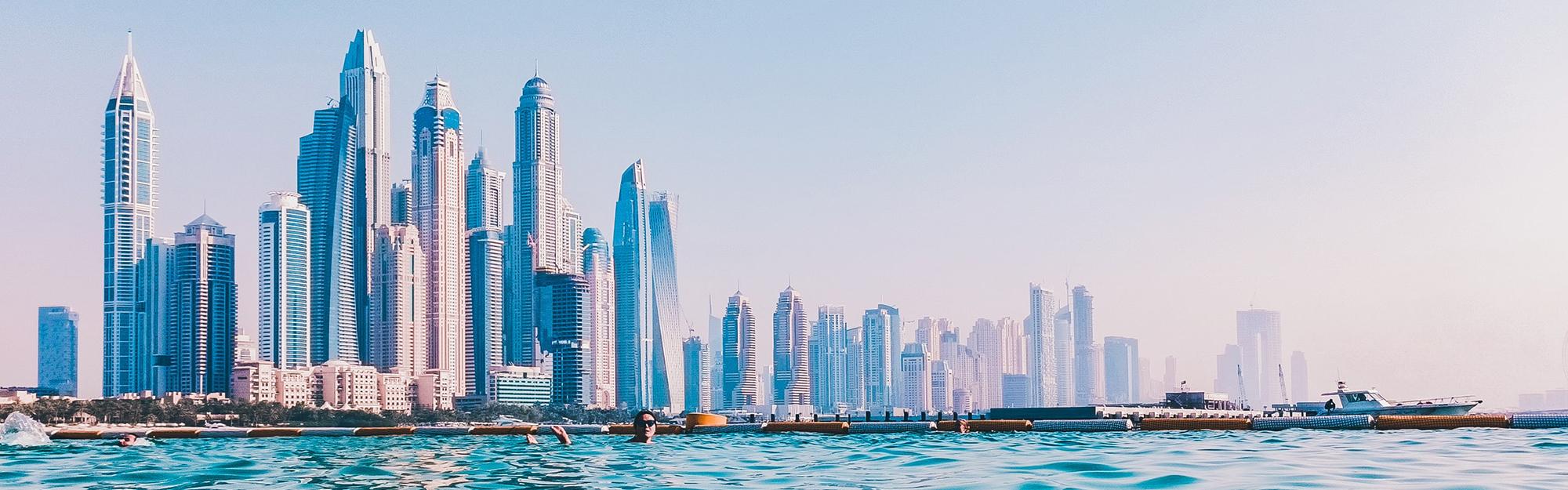

Dubai Travel Guide
Set against the backdrop of the Arabian Desert, Dubai has grown rapidly into a futuristic landscape of skyscrapers, man-made islands, shopping malls and beach resorts. There's a sense of outlandish possibility about this modern and progressive city.
Dubai has become a truly global city and influential business hub, growing particularly fast in areas such as aviation, tourism and real estate. Standing as testament to its success are architectural marvels such as the Burj Khalifa, the world's tallest building, the Burj Al Arab, widely billed as the world's only seven star hotel, and the iconic Palm Jumeirah island, to name just a few.
This is a city of superlatives, where visitors will find the highest skyscrapers, the fastest cars, the most luxurious hotels and the biggest shopping malls. The enormous expatriate population, as well as millions of tourists each year, can enjoy shopping, partying, sunbathing and fine dining. From within these high standards of luxury, visitors can also experience exotic Arabia in the bustling souks of the Deira district, or a night in a Bedouin tent with belly dancing under the starlit desert skies.
Dubai's attraction lies in the contrast between the ultra modern and the enchantingly traditional, which gives the city a personality like no other. From desert oases and unspoilt beaches, camel races and old wind towers, to top-class shopping opportunities and the finest international cuisine, Dubai has more than enough depth to satisfy even the most seasoned of explorers.
Things to do in Dubai
Visitors to Dubai will quickly discover the city has an incredible wealth of attractions on offer. The best place to start is with a sunset boat trip one of the traditional dhows on Dubai Creek. With the iconic skyline as a backdrop, this is an unforgettable experience.
The destination is renowned for its modern, progressive architecture. Visitors can enjoy panoramic views of the city from the dizzying heights of the observation deck on the Burj Khalifa, the world's tallest building, from where they'll be able to see the man made Palm Jumeirah, spread out like a palm tree into the Persian Gulf and covered with high-end hotels, restaurants and nightclubs.
Many hotels, such as the ultra-luxurious Burj Al Arab, have their own private beaches, and there are numerous dedicated beach resorts for sunbathers and water sports enthusiasts to enjoy. Those seeking an escape from the fierce sun can disappear into the colossal shopping malls and traditional markets for which the city is so well known.
For all its modern luxury, Dubai has not forgotten its roots. The quiet, narrow lanes of the old Bastakia quarter are lined with well-preserved examples of traditional Arabian architecture. For the more adventurous, the desert beckons. Explorers can enjoy 4x4 safaris and camel rides, and get a taste of the Bedouin lifestyle with desert sleep outs, traditional dinners and belly-dancing shows.
Dubai is also a sought-after destination for world sport, hosting enthusiastic fans for rugby sevens, tennis tournaments and horse racing events. There truly is something for everyone in one of the world's premier tourist cities.

Dubai Creek
Dubai Creek, a natural seawater inlet slicing through the heart of the city, is the historic birthplace of Dubai. Visitors can hop on a traditional abra (wooden water taxi) to cruise along the creek, taking in views of the old trading port and traditional dhows. A boat ride to Al Maktoum Bridge showcases a mix of Dubai's historic landmarks alongside its striking modern skyline. Strolling along the waterfront reveals the city's rich trading heritage, where dhows still dock to unload goods, connecting Dubai to distant destinations.

Al Fahidi Historic District
The Al Fahidi Historic District, formerly known as the Bastakiya Quarter, offers a glimpse into Dubai's past before modern conveniences such as electricity and air conditioning. Traditional courtyard houses here were naturally cooled by distinctive wind towers, once a common feature along Dubai Creek. Today, the narrow lanes lined with authentic Arabian architecture attract visitors seeking history and culture. The charming neighbourhood is home to popular spots such as the Arabian Tea House café and several art galleries, making it a vibrant cultural hub.

Dubai Souks
Dubai's souks, or traditional markets, attract bargain hunters, sightseers, and photographers alike. The most famous, the Gold Souk, features narrow streets lined with shops selling everything from 24-carat gold bars to intricate rings and necklaces, often at competitive prices. Nearby, the spice souk enchants visitors with the scents of cinnamon, incense, spices, and dried fruits. The bustling fish souk offers a lively atmosphere, accompanied by stronger, less pleasant aromas. Other markets sell textiles, carpets, traditional coffee pots, unleavened bread, and hubble-bubble pipes, showcasing the city's rich trading heritage.

Grand Mosque
Boasting the city's tallest minaret at 70m (230ft), the Grand Mosque is a prominent landmark known for its multi-domed architecture and impressive size. It serves as an important place of worship and can accommodate up to 1,200 worshippers inside. While non-Muslims are generally not allowed inside the mosque itself, they may visit the minaret to admire its architectural beauty. Visitors should dress modestly, with heads and knees covered; women are advised to wear loose, long-sleeved clothing.
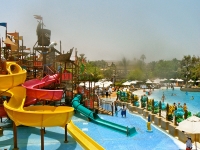
Wild Wadi Waterpark
Wild Wadi Waterpark, spanning five hectares (12 acres), is one of the region's most advanced water parks, offering families and thrill seekers hours of fun and excitement. Designed to resemble an Arabian wadi (oasis) with an Arabian folklore theme, it features 30 state-of-the-art rides and slides. Highlights include Jumeirah Sceirah, a 108ft (33m) free-fall slide reaching speeds of up to 50 mph (80 km/h), Master Blaster water roller coasters propelled uphill by powerful jets, the intense Rushdown Ravine, and the large waves at Breakers Bay.

The Musandam Peninsula
Though Musandam is part of Oman, this small peninsula is almost entirely surrounded by the United Arab Emirates. Its rugged, barren mountains are dotted with a few remote villages, with Khasab as the largest. Khasab offers cultural highlights such as prehistoric rock art and a 17th-century fort. Visitors come to Musandam for its breath-taking natural beauty and tranquil atmosphere. The coastline features stunning fjord-like inlets, making dhow and boat cruises along the coast a popular way to explore the area.

Jumeirah Mosque
The Jumeirah Mosque is one of Dubai's most photographed landmarks and a striking example of modern Islamic architecture. With its elegant dome and twin minarets, it ranks among the city's largest mosques. True to its motto, 'open doors, open minds', it's one of the few mosques in the UAE open to non-Muslims, but only through guided tours. These tours offer insight into Emirati culture and Islamic traditions. Modest dress is required, and traditional attire is available for visitors to borrow at the mosque.
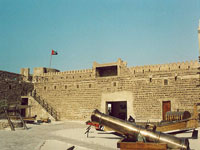
Dubai Museum
Housed within the imposing Al Fahidi Fort, the Dubai Museum offers a vivid journey through the city's history and heritage. Built in 1787 to defend Dubai from landward threats, the fort is the oldest building in the city and once served as the ruler's residence and the seat of government until 1971. Today, it features a rich collection of cultural and military artifacts, along with life-size dioramas depicting traditional scenes, from bustling markets and desert life to Islamic schools and Gulf marine environments. One of the museum's highlights is its detailed exhibit on the region's pearl diving heritage.

Sharjah
Sharjah is the third-largest city in the UAE and the capital of the affluent Sharjah emirate. Many key attractions are located within the Heritage Area near the main corniche, where visitors can explore Al Hisn Fort and the Sharjah Museum of Islamic Civilization, both offering rich cultural insights that contrast with the emirate's modern, consumer-driven side. Nearby, Khalid Lagoon features a towering water fountain that jets up to 160ft (100m), ranking among the world's largest. The Eye of the Emirates, a giant observation wheel on the city's edge, provides spectacular views of downtown and the corniche.
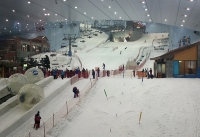
Ski Dubai
One of Dubai's most unique attractions is Ski Dubai, the Middle East's first indoor ski resort, located in the Mall of the Emirates. The snow-covered facility features five ski runs of varying difficulty, including a 1,312-foot (400m) slope with a 197-foot (60m) drop that's suitable for both beginners and seasoned skiers and snowboarders. The dome can accommodate up to 1,500 visitors and includes a freestyle zone and quarter pipe for snowboarders. A dedicated Snow Park offers a fun play area for children. Slope passes include equipment and ski clothing, excluding hats and gloves. Guests must meet a basic skills requirement to access the main slopes, with lessons available for newcomers.
Sheikh Saeed Al-Maktoum Museum
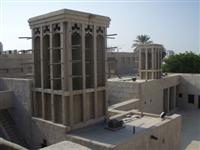
Sheikh Saeed Al Maktoum's House, built in the late 19th century, served as the residence of Dubai's former ruler and overlooks Dubai Creek. One of the city's oldest surviving buildings, it has been carefully restored and now functions as a museum showcasing historical photographs, documents, and artefacts that chronicle Dubai's growth and development. The house is a prime example of traditional Gulf architecture, featuring wind towers, a central courtyard, teak wood doors, and intricate wooden lattice screens.

Desert Safari
For a real taste of Arabia, visitors can take a trip into the desert with any number of tour operators into the rolling sand dunes surrounding Dubai. Tours usually include a thrilling 4x4 drive over the dunes, camel riding, a visit to a local Bedouin village, and end with a traditional Arabian barbeque under the stars with a show of belly dancing.

Camel Racing
No visit to Dubai would be complete without a trip to the camel races. This is a traditional sport in the UAE and hugely popular among local Emiratis, who head to the race tracks early in the morning to watch these magnificent animals. The racing season runs from October to April and racetracks can be found in various locations around the Emirate and on the way to Abu Dhabi.

Jumeirah Beach Park
Dubai's beautiful beaches are a major draw for visitors, and Jumeirah Beach Park offers an excellent public alternative to private hotel resorts. While currently closed for redevelopment (check ahead for status), it has long been known for its clean, safe shoreline and family-friendly environment. The beach features amenities such as barbecue areas, seating, showers, restrooms, and lifeguards on duty. Designated women-only days were also part of the park's inclusive approach. For those not staying at beachfront hotels or wishing to avoid high day-use fees, it's been a popular and affordable option.
Bateaux Dubai Dinner Cruise
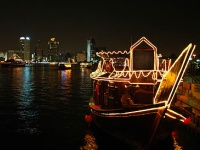
The Bateaux Dubai Dinner Cruise offers a distinctive and elegant way to experience Old Dubai from the water. This two-and-a-half-hour journey begins near Al Maktoum Bridge and glides along Dubai Creek, passing some of the city's most iconic landmarks. The vessel features non-reflective glass walls and an expansive outdoor deck, ensuring unobstructed views of the cityscape. Guests enjoy a gourmet four-course à la carte meal during the cruise, with options to accommodate dietary needs if arranged in advance. Alcoholic beverages are available for purchase onboard, adding to the upscale dining experience.

Dubai Mall
Opened in November 2008, The Dubai Mall is one of the largest shopping and entertainment destinations in the world, housing over 1,200 retailers. Spanning the equivalent of more than 50 football fields, the mall offers far more than shopping. Highlights include an Olympic-sized ice rink, a multiplex cinema, a children's play zone, and the renowned Dubai Aquarium & Underwater Zoo. It also serves as the main access point to the Burj Khalifa, the tallest building in the world. Dining options range from quick bites to upscale restaurants, catering to all tastes and budgets.
Dubai Aquarium & Underwater Zoo
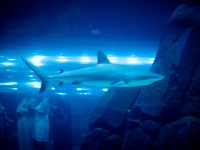
Located inside the vast Dubai Mall, the Dubai Aquarium and Underwater Zoo is one of the UAE's top attractions. It features one of the largest acrylic viewing panels and a massive tank housing thousands of marine creatures. Visitors can witness feeding sessions for the impressive Sand Tiger Sharks and graceful stingrays. Home to over 33,000 aquatic animals, the aquarium also supports conservation efforts and actively participates in environmental initiatives to protect marine life.
Creekside Park
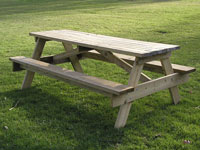
Creek Park in Dubai is a spacious green haven perfect for families and kids on holiday. It features landscaped gardens, an 18-hole mini golf course, and a large stone amphitheatre that hosts events. Visitors can enjoy picnic areas equipped with barbecue facilities, a fun mini train ride, and several children's play areas with modern equipment such as swings and slides. The park's scenic setting along Dubai Creek and its variety of activities make it an ideal spot to spend the day outdoors with the whole family.

Hatta
An ancient village positioned in the foothills of the Hajjar Mountains, Hatta is located about 71 miles (115km) east of Dubai. A popular weekend getaway for residents of the city, Hatta has a mild climate that makes it ideal for escaping the heat of Dubai. The 16th-century fort is a must-see and Hatta also makes a good base for exploring the surrounding region. Off-road 4x4 adventures are a popular way to take in the scenery, including the Wadi Hatta gorge with its magnificent waterfall and picturesque rock pools.
Kish
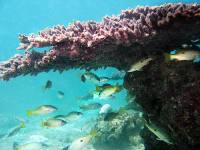
The beautiful island of Kish is located in the Persian Gulf, off the southern shore of mainland Iran. Sometimes referred to as the 'Pearl of the Persian Gulf', Kish is home to a resort with both modern and ancient attractions. The resort takes advantage of Kish's stunning islands to offer water sports such as snorkeling and scuba diving, yachting, fishing, parasailing and water-skiing. Unfortunately, women are not allowed in some of the best snorkelling areas, though women-only beaches available. Kish also has a number of historical attractions, including the underground town of Cariz and the ancient city of Harireh.

Dubai Marina
The heart of cosmopolitan Dubai is the slick and modern Dubai Marina, a development that continues to add new attractions each year. World-class hotels and shopping malls dominate the distinctive skyline, while the waterline is taken over by luxury yachts. Some of the best restaurants in Dubai are also located here. Dubai Marina has two walkways (The Walk and Marina Walk) that make pleasant places to stroll in the evening, and there are open markets on weekends between October and May. Although it is known as a beacon of over-the-top consumerism, the Dubai Marina transforms during Ramadan, when locals celebrate in song and dance in Heritage Village.
Things to do with kids in Dubai
Dubai is renowned as a luxury destination and a global shopping hub, but it's also an excellent choice for family holidays. The city offers a plethora of attractions to keep children entertained, from thrilling water parks and immersive theme parks to expansive playgrounds and lush green spaces.
Dubai's beaches are pristine and family-friendly. However, it's important to consider the timing of visits, as temperatures can soar above 113°F (45°C) during summer months, making outdoor activities challenging for young children. The cooler months, from November to March, offer more comfortable conditions for beach outings and outdoor adventures.
When the heat is intense, indoor venues provide a welcome respite. Shopping malls such as the Dubai Mall and Mall of the Emirates are equipped with extensive children's play areas, nurseries, and entertainment zones. The Dubai Mall features Play DXB, an indoor amusement park that has a variety of virtual reality and arcade games suitable for various age groups.
Mall of the Emirates boasts Ski Dubai, the Middle East's first indoor ski resort and snow park, providing a unique experience for families seeking winter-themed activities in the desert. Additionally, Magic Planet, an indoor family entertainment centre, has a range of attractions including bowling, amusement rides and arcade games.
For families seeking educational and interactive experiences, KidZania at the Dubai Mall has a miniature city where children can role-play various professions, fostering learning through play. This 'edu-tainment' centre provides a safe and engaging environment for children to explore different careers and develop new skills.
Dubai's commitment to family-friendly attractions ensures that visitors of all ages have access to a diverse range of activities, making it a top destination for family holidays.
Wild Wadi Waterpark
Wild Wadi Waterpark, spanning five hectares (12 acres), is one of the region's most advanced water parks, offering families and thrill seekers hours of fun and excitement. Designed to resemble an Arabian wadi (oasis) with an Arabian folklore theme, it features 30 state-of-the-art rides and slides. Highlights include Jumeirah Sceirah, a 108ft (33m) free-fall slide reaching speeds of up to 50 mph (80 km/h), Master Blaster water roller coasters propelled uphill by powerful jets, the intense Rushdown Ravine, and the large waves at Breakers Bay.
Dubai Aquarium & Underwater Zoo
Located inside the vast Dubai Mall, the Dubai Aquarium and Underwater Zoo is one of the UAE's top attractions. It features one of the largest acrylic viewing panels and a massive tank housing thousands of marine creatures. Visitors can witness feeding sessions for the impressive Sand Tiger Sharks and graceful stingrays. Home to over 33,000 aquatic animals, the aquarium also supports conservation efforts and actively participates in environmental initiatives to protect marine life.
Creekside Park
Creek Park in Dubai is a spacious green haven perfect for families and kids on holiday. It features landscaped gardens, an 18-hole mini golf course, and a large stone amphitheatre that hosts events. Visitors can enjoy picnic areas equipped with barbecue facilities, a fun mini train ride, and several children's play areas with modern equipment such as swings and slides. The park's scenic setting along Dubai Creek and its variety of activities make it an ideal spot to spend the day outdoors with the whole family.
Eating Out
Few places on earth are as compactly cosmopolitan as Dubai, and that translates into an astonishingly varied food scene. Visitors can find everything from street-side shawarma establishments offering delicious kebabs for under US$1, to seven-course tasting menus crafted by Michelin-starred chefs. Seafood is typically good value, and sushi is often excellent.
Alcohol is served only in licensed venues, which are usually located within hotels or private clubs; independent restaurants are not permitted to serve alcohol. Friday brunch is a well-loved ritual for both expats and locals, with many venues offering lavish spreads; booking ahead is highly recommended.
During the Islamic holy month of Ramadan, most restaurants now remain open during daylight hours, although many locals still fast. After sundown, when the call to prayer signals the end of the daily fast, cafés and restaurants fill with a lively, festive crowd. It's a wonderful time to experience the local culture and hospitality.
Shopping
Dubai's shopping malls have become iconic destinations. Visitors are greeted by hundreds of designer fashion brands, along with attractions such as ski slopes, aquariums and cinemas. Dubai Mall, the largest shopping mall in the world, features over 1,200 shops, selling everything from luxury items to high-end fashion. The Mall of the Emirates offers a mix of international brands and independent designers, alongside a ski slope and a range of top restaurants. Newer additions such as the Italian-themed Outlet Village are also gaining popularity.
For a more alternative shopping experience, visitors can head to Boxpark, an outdoor retail space built from repurposed shipping containers. Boutiques such as Urbanista offer brands such as Comme des Garçons and Kenzo, along with local designer labels. The Beach at JBR features a stylish array of boutiques catering to beachgoers.
Traditional souks offer a different shopping world. Deira is home to the Gold, Spice, and Perfume Souks. Satwa offers vibrant fabrics, while Karama is known for souvenirs.
Dubai has no sales tax and low import duties, making items such as electronics and gold jewellery competitively priced. Shops generally open from 10am to 1pm, then again from 4:30pm to 8pm or later. Malls typically operate from 10am to 10pm, and many stores close on Friday mornings.
Nightlife
Dubai's nightlife is as diverse as its population, offering everything from glamorous clubs to relaxed, alcohol-free spots. With such a wide range of options, a little planning can help travellers make the most of an evening out.
Most of the city's bars and nightclubs are found in 4- and 5-star hotels, thanks to the city's alcohol regulations. The legal drinking age is 21, but visitors must be 25 to enter some nightclubs, so carrying identification is a good idea.
For a fun night out, venues such as Boudoir, a Parisian-style spot, and One Club Dubai, which is known for its sleek, modern design and pulsating atmosphere, are popular choices. The Irish Village near the Aviation Club is a favourite hangout with both locals and tourists. For a laid-back yet lively atmosphere, The Walk at JBR offers a range of cafes, restaurants, and bars that are perfect for a more relaxed evening.
As always, it's important to respect local customs in Dubai. Public displays of affection and drug use are not allowed, and public intoxication should be avoided. Taxis and ride-sharing apps are ideal for getting home safely after a night out.
Getting Around
Taxis are the most common and convenient way to get around Dubai. They are metered, affordable, and easy to find, with ride-hailing apps such as Uber and Careem also widely available. The Dubai Metro, opened in 2009, runs from Jebel Ali to Al Rashidiya and covers major malls and business areas. It offers Gold Class cabins and separate carriages for women and children.
Many hotels provide free shuttle services, and the public bus network reaches most parts of the city, including beaches. Buses are air-conditioned, with routes posted in Arabic and English. Passengers use a Nol card for payment, and there are options such as pay-as-you-go and monthly passes.
Abras (small wooden boats) cross Dubai Creek between Bur Dubai and Deira every few minutes, offering a scenic ride.
While renting a car is affordable, driving in Dubai can be challenging due to erratic road behaviour. All accidents must be reported to the police, and signage is limited outside the city.
Dubai Climate and Weather
Dubai boasts an arid subtropical climate, with clear blue skies and sunshine nearly every day of the year. The peak of summer, from June to September, sees daytime temperatures soar above 113°F (45°C), accompanied by high humidity. Even the sea can feel like a warm bath, reaching up to 104°F (40°C), which is why hotel swimming pools are often cooled for comfort.
Temperatures become more moderate from October through May, with the coolest period falling between December and March. During these months, daytime temperatures range from 57°F (14°C) to 77°F (25°C), offering a more pleasant escape. Rainfall is rare in Dubai, but when it does occur, it's typically during the cooler winter months.
United Arab Emirates travel info
Electricity
The electrical supply is 220 volts at 50 Hz. The most commonly used plugs are flat, three-pin types.
Language
Arabic is the official language of the Emirates, but English is widely spoken.
Money
The currency of the United Arab Emirates is the Dirham (AED), divided into 100 fils and pegged to the US Dollar at a fixed rate of 1 USD to 3.6725 AED. Major foreign currencies are easily exchanged at banks, licensed moneychangers, and large hotels. While private exchange offices in souks and shopping centres may offer competitive rates, using licensed outlets is recommended. Credit cards such as Visa, MasterCard, and American Express are widely accepted. Digital wallets such as Apple Pay, Google Pay, and Samsung Pay are also common in urban areas, especially in shops, restaurants, hotels, and ride-hailing services. However, public transport typically requires a Nol card. Cash or cards may still be preferred in smaller or remote areas. ATMs are widely available and support multiple languages. Banks usually operate Saturday to Thursday from 8am to 3pm, with some open later; most are closed on Fridays, the UAE's weekend day.
Tipping
Tipping in the UAE is generally appreciated but not obligatory. If a service charge isn't already included in the bill, leaving around 10 percent is typical. Many hotels and restaurants automatically add a service charge, so it's worth checking the bill first.
Health
No vaccinations are required for entry into the UAE, but a yellow fever vaccination certificate is needed for travellers from affected areas. Tap water in major cities such as Dubai and Abu Dhabi is safe to drink, as it meets WHO standards. However, water quality can vary, so many visitors prefer bottled water. Medical care in the UAE is excellent, particularly in cities, but it can be expensive. In remote areas, medical services may be limited. Health insurance is essential, as visitors may need proof of insurance or the ability to pay before receiving treatment.
Safety
Most visits to the UAE are trouble-free, as it's one of the safest countries in the Middle East. Crime is rare, but there's some awareness of potential threats to Western interests, especially in popular areas such as entertainment venues and public spaces. While the UAE hasn't been a frequent target of terrorism, there have been occasional incidents, such as a drone attack in Abu Dhabi in January 2022. Visitors are encouraged to stay alert in crowded places and avoid political gatherings or protests. Although terrorist groups have issued threats in the region, the UAE remains a safe destination with standard safety precautions in place.
Local customs
Alcohol is typically served only in licensed venues such as hotels and certain restaurants; drinking or being intoxicated in public is prohibited, with serious penalties. Some prescribed and over-the-counter medications from outside the UAE may be considered controlled substances, so it's important to check with the Ministry of Health for approval before bringing them into the country. Modesty in dress and behaviour is encouraged, especially during Ramadan, when eating, drinking, or smoking in public between sunrise and sunset is considered disrespectful. Cohabitation, adultery, and homosexual activity are illegal, and public displays of affection or rude gestures are not permitted. While the UAE is generally tolerant of Western visitors, respecting local customs is essential.
Doing business
Business attire is typically formal for both men and women, with women encouraged to dress conservatively by covering their arms and legs. The business environment is predominantly male, so interactions with women in business may be less common. Punctuality is important and shows respect, though occasional delays or interruptions in meetings are not unusual, so patience is appreciated.
A polite greeting, such as 'As-Salaam-Alaikum,' is often preferred over 'Hello.' Men should wait for women to offer their hand before shaking hands; if no handshake is offered, a nod or simple bow is a respectful alternative. While verbal agreements can occur, written contracts are usually preferred, and both Gregorian and Hijri dates should be used in documents.
Gifts are welcome but visitors should avoid giving alcohol or pig-related items. Friday is a day of rest, so business may be limited. Typical business hours are 9am to 5pm, Sunday to Thursday. During Ramadan, business hours are adjusted.
Duty free
Visitors to the UAE do not need to pay customs duty on 400 cigarettes, 50 cigars, 500g of tobacco, and goods up to the value of AED 3,000. Alcohol allowances vary by emirate. Dubai: 24 cans of beer or 4 litres of any other alcohol. Abu Dhabi and Fujairah: 4 litres of alcohol, provided the traveller is not Muslim. Sharjah: 2 litres of alcohol and 1 case of beer, though alcohol restrictions are more strictly enforced. Fruit and vegetables from areas affected by cholera or other health risks are strictly prohibited.
Communications
The international code for the United Arab Emirates is +971. Travellers can purchase local SIM cards for unlocked phones at the airports or city shops. WiFi is widespread, but the internet is censored to filter out any material and websites deemed undesirable by the authorities.
Passport & Visa
All visitors to the United Arab Emirates must hold a passport that's valid for at least six months from the date of entry. It's also strongly recommended that passports remain valid for six months beyond the intended date of departure. Travellers should carry confirmed tickets for their next destination and may need to provide proof of accommodation or sponsorship, depending on their visa type. Some visa categories require a local sponsor (such as a hotel, company, or UAE resident), while others (such as visas on arrival for eligible nationalities) do not.
Entry requirements
United States citizens require a passport that's valid for six months after their date of arrival. No visa is required for tourist stays under 30 days.
British passports must be valid for six months after the date of entry. Tourists can get a free tourist visa on arrival in the UAE, valid for up to 90 days within a 180-day period.
Canadian passports must be valid for at least six months beyond the date of entry. Tourists can get a free visa on arrival in the UAE, valid for 90 days within a 180-day period from the date of first entry.
Australian passports must be valid for at least six months from the date of entry. Tourists can get a free tourist visa on arrival in the UAE, valid for up to 90 days within a 180-day period.
South African nationals require a passport that's valid for six months from the date of entry. A visa is required.
Irish nationals require a passport that's valid for six months from the date of entry. Tourists with a normal passport do not need a visa for a maximum of 30 days. They can apply to extend their stay for an additional 30 days.
Passports must be valid for at least six months from the date of entry. Nationals of New Zealand with a normal passport do not need a visa for a maximum of 30 days. They can apply to extend their stay for an additional 30 days.
Useful contacts
Official Tourism Portal: u.ae/en/information-and-services/visiting-and-exploring-the-uae
999 (ambulance, police, fire).