

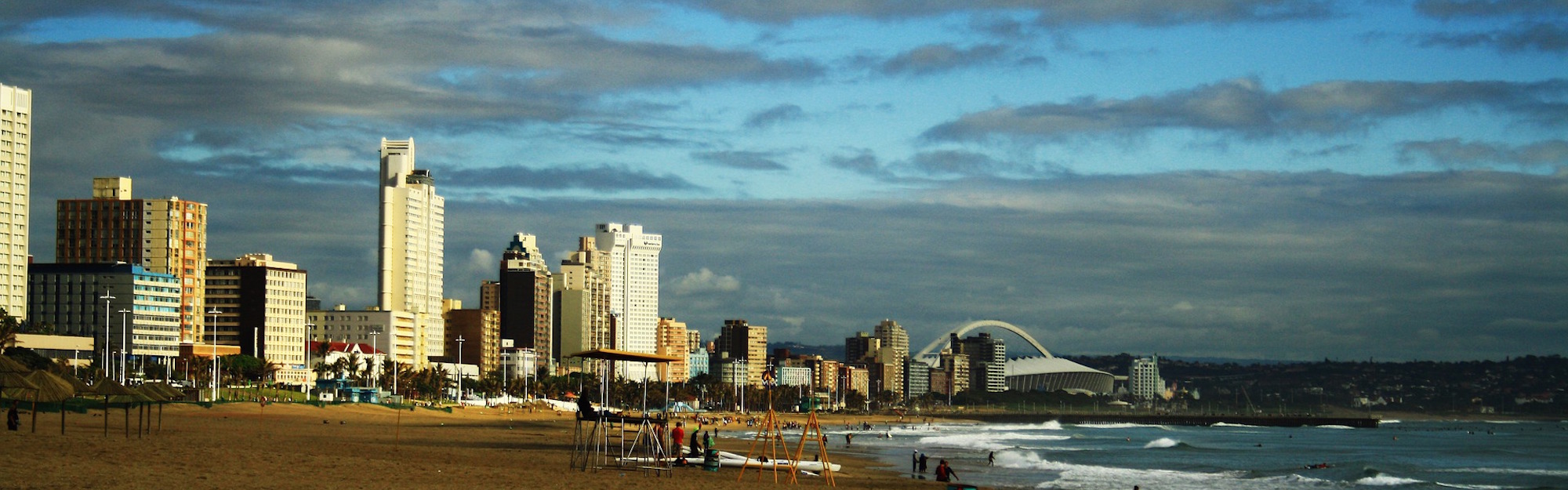

Durban Travel Guide
Known for its sun, surf and sand, Durban is a cultural melting pot where visitors can enjoy incredible waterparks, excellent beachfront hotels and authentic Indian curry. The city serves as a fantastic gateway to diverse attractions including the majestic Drakensberg Mountains, the UNESCO-listed wetlands of Isimangaliso, the historic battlefields of Zululand, and the immensely popular beach resort towns of Ballito and Umhlanga. A few days spent on holiday in Durban are fun and interesting, but the abundance of world-class destinations nearby make the destination a truly rewarding travel base.
Best time to visit Durban
Sunny weather throughout the year makes a Durban holiday a sure-fire hit. With its sub-tropical climate, the summers are hot and winters mild, and the sea is blue, warm and enticing, no matter what time of year travellers visit in. The summer holidays (December and January) see South Africans flock to the beach resorts surrounding Durban and it can get very crowded.
What to see in Durban
-Bask in the sun, sand and sea along Durban's famous Golden Mile.
-Learn about Durban's Apartheid history at the Kwamuhle Museum.
-Visit the historic Francis Farewell Square, ringed by some interesting buildings.
-See the colourful menagerie of birds at Umgeni River Bird Park.
What to do in Durban
-Enjoy the views from the Big Swing or Sky Car at Moses Mabhida Stadium.
-Stroll or picnic in the beautiful Durban Botanic Gardens, established in 1849.
-Treat the kids to a day of fun at Ushaka Marine World.
-Take an early morning boat ride with the KwaZulu-Natal Sharks Board as they maintain the nets along the coast.
Beyond Durban
KwaZulu-Natal is a fascinating province with a rich and turbulent history and a multicultural heritage. Numerous charming towns dot the region and the the Zululand Battlefields make for a popular trekking route for military history buffs.
The stunning Drakensberg Mountains and the isolated kingdom of Lesotho are exciting destinations and the Isimangaliso wetlands (formerly called St Lucia) provide beautiful, otherworldly landscapes seen nowhere else on earth.
Getting there
The newly built Durban King Shaka International Airport is a world-class facility situated 22 miles (35km) north of Durban. There are shuttles, taxis and car rental services to get travellers into the city.
Did you know?
-The British settled in Durban in 1824, but the site was 'discovered' by Vasco da Gama in 1497.
-Durban harbour is the ninth largest in the world and Africa's busiest container port.
-Gateway shopping centre is the largest mall in Africa, modelled on the Mall of America.
Things to do in Durban
Durban's beautiful subtropical climate means the city enjoys a relaxed outdoor lifestyle, making it a great destination to visit at any time of the year. Renovations for the FIFA World Cup in 2010 revitalised tourist infrastructure, and have ensured that there's always plenty to see and do in Durban.
The first place to start sightseeing in Durban is definitely the beach, with the city's famed Golden Mile stretching four miles (6km) from the neon-lit Suncoast Casino in the north to uShaka Marine World in the south. The Golden Mile is famous for its mild water temperatures, great surf spots, and beautiful settings.
There are plenty of beach bars and restaurants to choose from when enjoying a sundowner cocktail or local beer. The beaches are patrolled by colourful rickshaws, which visitors can hire for a royal trip down the promenade.
uShaka Marine World in South Beach is one of Durban's major tourist attractions, and its massive aquariums display fish and marine life from all over the world. Its Wet n' Wild Waterpark includes water rides ranging from gentle to extreme. Visitors can even go shark diving or snorkelling for an up close and personal experience with the creatures beneath the waves. It's a relatively short walk from the Golden Mile, and opens right onto the beach.
The Durban Botanic Gardens are centrally located in Greyville and are accessible by bus or taxi. They are beautifully maintained and have one of the best collections of plants in the world. They host regular Sunday afternoon concerts, and are a great place to take the kids for a relaxed picnic. The Gardens are popular for wedding pictures as well, and bridal parties can often be spotted there on Saturdays.
More adventurous travellers will want to take advantage of the plethora of water sports available in Durban, including surfing, swimming, and kiteboarding along the Golden Mile. Available too are snorkelling and scuba diving adventures among the shipwrecks at Aliwal Shoal or simple boat cruises in the harbour.
Those more comfortable on land can enjoy hikes through the Mangrove Swamp or spotting zebras, rhinos, hippos, and other game in the Kenneth Steinbank Reserve or Tala Valley. Most attractions in Durban are relatively safe, as long as travellers refrain from wearing expensive jewellery and clothing and showing expensive cameras. It's always best to stay in a group when walking around in urban areas, and visitors should never walk around after dark.
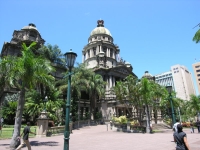
Francis Farewell Square
This historic square in the middle of Durban is the spot where the city originated as a tiny settlement of itinerant traders and hunters in the early 19th century. It is named for Henry Francis Flynn, one of the prominent inhabitants of the time. Around the square are some interesting sights, particularly the 1910 City Hall on the south side, which is an exact replica of the City Hall of Belfast, Ireland. On the first floor of the City Hall is the Natural Science Museum, which has an interesting insect section and an array of stuffed animals that delight children despite being somewhat old-fashioned. On the second floor is the renowned Durban Art Gallery.
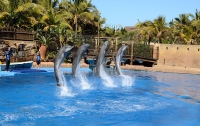
uShaka Marine World
uShaka Marine World is the largest marine theme park in Africa. The park is tastefully themed with African imagery and has five zones offering entertainment, dining, shops, water slides, and access to uShaka Beach. Wet 'n Wild contains a number of water thrills, ranging from heart-stopping, adrenalin-pumping rides to lazy activities for the less adventurous. There is an aquarium with thousands of fish, reptiles, and aquatic mammals on display; a dolphinarium that performs regular musical shows; a penguin rookery; and underwater activities such as snorkelling and the 'shark walk'. The Village Walk features the Dangerous Creatures exhibit, which includes spiders, snakes, frogs, scorpions, and other poisonous creatures. uShaka is also involved in marine animal rescue and rehabilitation.
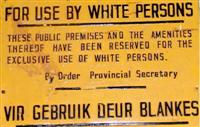
KwaMuhle Museum
The KwaMuhle Museum focuses on the history of race laws in KwaZulu-Natal, showing the experiences of local people through multimedia presentations. It is housed in a building that was once the Department of Native Affairs, from which the infamous labour system was administrated. KwaMuhle means 'place of the good one' in honour of a white man who ran the department, but did his best to fight the system from within. Though this museum provides a fascinating and very personal look at the diverse and difficult cultural history of the region, it is ultimately an old-fashioned museum that doesn't have much to offer small kids or those who demand a state-of-the-art interactive museum experience.
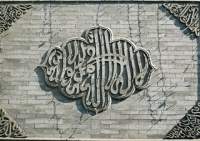
Juma Masjid Mosque
Construction of the Juma Masjid Mosque began in 1881, with renovations continuing until 1943. It is KwaZulu-Natal's first mosque, as well as one of the oldest and largest mosques in the Southern Hemisphere. Travellers will note that its golden-domed minarets dominate the central Indian district of downtown Durban, and that its muezzin can be heard from many parts of the city as it calls the faithful to prayer. Its architecture is a mix of classic Mughal Indian and colonial South African features, and there is space inside for up to 5,000 worshippers. Visitors are welcome on weekdays and Saturdays but the mosque is closed on Sundays.
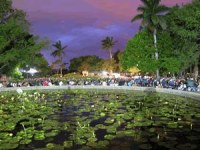
Durban Botanic Gardens
Established in 1849, Durban's Botanical Gardens are the oldest surviving botanic garden on the African continent, and the city's oldest natural attraction. Located on Sydenham Hill Road (west of the Greyville Race Track), the gardens provide a relaxing spot to stroll among huge indigenous and exotic trees, and a stunning orchid house display. The gardens are also abuzz with birdlife and boast a lovely charity tea garden. Visitors can go for a picnic under the trees or by the pond, but should leave the sports equipment behind, as frisbee and ball games are not allowed. The gardens are a popular spot for wedding photos on Saturdays, and once a month they host a Sunday afternoon concert that attracts thousands of Durbanites.
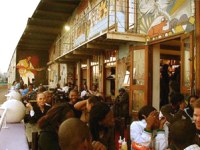
The BAT Centre
The BAT Centre is a haven for artists and musicians. Located on the Victoria Embankment beside the Durban harbour, its name is an acronym for Bartle Arts Trust, the organisation that helped found the centre. BAT features a studio where traditional artists can work; a hall that hosts concerts, conventions and festivals; exhibition galleries; a music store and drum shop where handcrafted wooden drums are made; and a restaurant serving authentic African dishes from all over the continent. There are stunning views of the harbour from the restaurant deck, which hosts live jazz music on Sundays. Nearby is the Maritime Museum, which details the history of the harbour and houses a restored tugboat and other interesting exhibits.
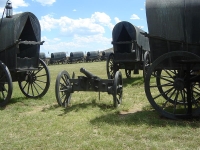
Zululand Battlefields
Zululand is the ancestral home of the Zulu people and was the site of many bloody battles between the British, the Zulus and the Afrikaners during the 19th century. The area is best explored as a self-drive adventure, though many tours are available from Durban. Almost every town in this part of northern KwaZulu-Natal has a story to tell or an event to commemorate. Tourism offices throughout the region provide maps and guides to help visitors make the most of the culture, history, scenery and wildlife. The landscape varies from plains and rolling hills, to river valleys and lush forests, and it once encompassed the legendary king Shaka Zulu's kingdom.
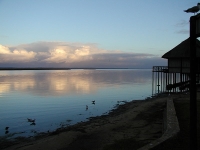
iSimangaliso / St Lucia Wetland Park
iSimangaliso Wetland Park is the largest and most exciting in a string of game parks and nature reserves in KwaZulu-Natal's far north. Still known to many by its former name, St Lucia Wetland Park, it is dominated by the fascinating St Lucia estuary and lake system, and includes eight distinct ecosystems, which vary from dry thorn scrub to tropical forest. Some of the world's highest dunes border them. The park also encloses three major lake systems, beautiful beaches, tropical reefs, Africa's largest estuarine system, and most of South Africa's remaining swamp forests. This is the only place in the world where hippos, crocodiles and sharks co-habit the same lagoon. The Wetland Park was declared South Africa's first UNESCO World Heritage Site.
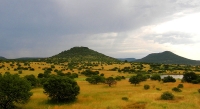
Midlands Meander
The popular Midlands Meander arts and crafts route winds through the Midlands, along the R103 road. It takes in a plethora of participating attractions dotted across the countryside, ranging from herb farms to antique shops. The Meander covers about 50 miles (80km) between the towns of Pietermaritzburg and Mooi River, and showcases the lovely Midlands landscapes as much as anything else. A really fun and artistic way to explore this beautiful region, the Midlands Meander is a must for those who enjoy quaint teahouses and creativity. The Meander includes adventure activities, historic landmarks, restaurants and eateries, conference and wedding facilities and the shops and studios of something like 150 talented local artists and craftsmen.
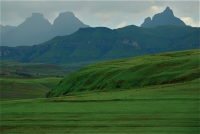
Drakensberg Mountains
The jagged peaks of the Drakensberg (Dragon Mountains) tower over KwaZulu Natal's eastern border, providing a paradise for outdoor enthusiasts. The Drakensberg is the highest mountain range in southern Africa and abounds with hiking trails, climbing routes, 4x4 trails, pony treks and adventure pursuits, all accessible from numerous resorts in the lower reaches. Some of the more popular resorts are Champagne Castle, Cathkin Peak, and Cathedral Peak, while Giant's Castle and its game reserve are famed for the more than 500 rock paintings left behind by the San people on cave walls. Eagles soar around the peaks in the Royal Natal National Park in the north, where the dramatic scenery includes the Amphitheatre, a five-mile long (8km) curved basalt wall.
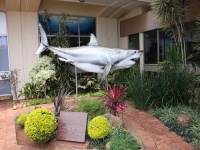
KwaZulu-Natal Sharks Board
For something fun and educational, parents should take their kids to the KwaZulu-Natal Sharks Board. Located just nine miles (15km) north of Durban, it offers visitors the chance to learn about the marine life found off the coast of Durban's Golden Mile. The Sharks Board maintains the coastlines shark safety gear and also does research into sharks and runs a public education programme. There are almost daily presentations and shark dissections at the complex. Kids will love visiting the display hall to view the variety of lifelike replicas of sharks, fish and rays, including that of a 1966-pound (892kg) great white shark. The dissections can be disturbing for sensitive kids but they are fascinating and very educational.
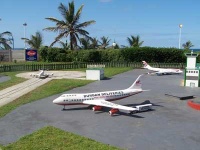
Mini Town
Located on Durban's beachfront, this knee-high miniature replica of Durban makes a great outing for families and kids of all ages. It features moving models of planes and trains, a circus complete with animals, a movable bridge that makes way for passing ships, several of Durban's landmark buildings, and a tug boat that makes its way around its very own miniature dock. All models and buildings have been created on a 1:24 scale. Mini Town was established more than 30 years ago and, although it is very well maintained, it has retained a charming, old-fashioned appeal.
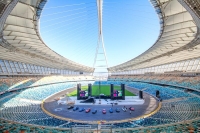
Moses Mabhida Stadium
The Moses Mabhida Stadium was built for the 2010 FIFA World Cup and is one of South Africa's most picturesque stadiums. With its iconic 'arch of triumph', the waves of the Indian Ocean crashing in the background, and an amazing view of Durban's Beachfront, the stadium is an epic place to take in a sports game. However, it also offers some other attractions that will delight tourists. Among other things, adventurers will be able to enjoy the rush of the Big Swing, the world's only stadium swing and the largest swing of its kind in the world. After an adrenalin-pumping jump from the stadium's arch, 348 feet (106m) above the pitch, people will swing out over the pitch and 80,000 seats below.
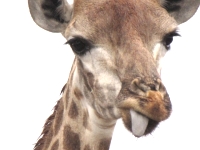
Tala Game Reserve
Located just a 45-minute drive inland from Durban, Tala Private Game Reserve is a relaxed wildlife sanctuary where visitors can view zebra, hippo, rhino, giraffe, kudu, antelope, and other wildlife. The park is home to more than 350 bird species and is a delight for bird-watchers. Surrounded on all sides by farmland, visitors won't find predators such as lions or cheetahs in Tala, but the reserve is a great day trip for those who prefer not to head to the bigger parks such as Umfolozi or Kruger. Game drives and bush walks are available with experienced guides and should be booked in advance. The restaurant is excellent, offering buffet-style meals with African flair, and the various luxury accommodations are perfect for romantic getaways.
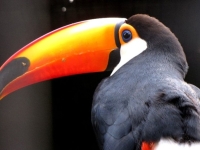
Umgeni River Bird Park
Tucked away near an industrial section of Durban North and the Umgeni River, the Umgeni River Bird Park houses an ever-growing bird population. Over 200 species of birds live as residents along the shady winding paths. The park is situated in a lush tropical garden in what used to be an old quarry site, and was opened in 1984 after extensive landscaping. The park's free-flight bird show, which runs from Tuesday to Sunday at 11am and 2pm, has been entertaining families and school groups for over a decade. It features vultures, owls, cranes, and other impressive fowl.
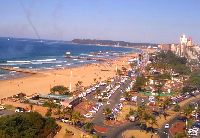
The Golden Mile
Durban's most popular attraction is the length of beach stretching across one end of the city centre. Known as the Golden Mile, the beach starts in the north at Blue Lagoon and eventually stops at uShaka Marine World in South Beach. There are various picnic and fishing hotspots, as well as the Suncoast Casino and Mini Town on North Beach. Along the way, it will travel past the skatepark, surfing museum, and restaurants in the Bay of Plenty. Dotted with elaborate kiddie pools and set against a backdrop of high-rise hotels and holiday flats, the Golden Mile is indeed the epicentre of Durban tourism. A wide, flat promenade runs nearly the entire way.
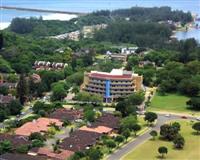
Richards Bay
Richards Bay is one of South Africa's biggest ports. Situated on the 12 square mile (30 sq km) lagoon of the Mhlatuze River, it began as a makeshift harbour during the South African War of 1879 and is named after its founder, Sir Frederick Richards. The specialised ships that call are a must-see for maritime buffs. The town is a bustling business centre that features every modern facility and offers plenty of recreational facilities for visitors. Tourism in Richards Bay is thriving and it's fast becoming a popular north coast holiday destination. Visitors will find spectacular scenery, pristine golden beaches and the warm waters of the Indian Ocean. Tourists can also enjoy plenty of adventurous activities such as fishing, kite-surfing, yachting, and kayaking.
Things to do with kids in Durban
Durban is a fun and entertaining destination for those travelling with children. The famous Golden Mile beachfront offers gentle waves in which kids can splash and play, and wading pools for those too little to venture deep.
Shark nets protect most of Durban's coastline, making the ocean very safe. There are usually some funfair rides and other fun distractions along the beachfront, including the old gondola that allows a view of the beach from above.
Minitown in North Beach is another way to get a bird's eye view of the city, as it allows visitors to wander through miniaturised versions of buildings and landmarks. uShaka Marine World gives children an exciting educational experience in its massive aquarium. By contrast, parents can let kids loose in the Wet 'n Wild Water Park, which is home to numerous exciting water slides. Parents should pack sunscreen though, as the Durban sun can be brutal, especially in the summer months.
Gateway Theatre of Shopping in Umhlanga has much to offer children of all ages, and ensures there's a lot to do in Durban for kids and teenagers, with a massive indoor climbing wall, and a skate park designed by Tony Hawk. It also boasts an IMAX theatre, ten-pin bowling, a video arcade, indoor carnival rides, and go-kart racing. Gateway is the best place to head with kids on a rainy day.
For a relaxed afternoon picnic, the Durban Botanic Gardens are a scenic oasis in the middle of town. Otherwise, travellers can visit the manicured Mitchell Park, which has a restaurant and tea garden, a small and slightly dilapidated zoo, and a playground that features a special area specifically designed for handicapped children.
uShaka Marine World
uShaka Marine World is the largest marine theme park in Africa. The park is tastefully themed with African imagery and has five zones offering entertainment, dining, shops, water slides, and access to uShaka Beach. Wet 'n Wild contains a number of water thrills, ranging from heart-stopping, adrenalin-pumping rides to lazy activities for the less adventurous. There is an aquarium with thousands of fish, reptiles, and aquatic mammals on display; a dolphinarium that performs regular musical shows; a penguin rookery; and underwater activities such as snorkelling and the 'shark walk'. The Village Walk features the Dangerous Creatures exhibit, which includes spiders, snakes, frogs, scorpions, and other poisonous creatures. uShaka is also involved in marine animal rescue and rehabilitation.
KwaZulu-Natal Sharks Board
For something fun and educational, parents should take their kids to the KwaZulu-Natal Sharks Board. Located just nine miles (15km) north of Durban, it offers visitors the chance to learn about the marine life found off the coast of Durban's Golden Mile. The Sharks Board maintains the coastlines shark safety gear and also does research into sharks and runs a public education programme. There are almost daily presentations and shark dissections at the complex. Kids will love visiting the display hall to view the variety of lifelike replicas of sharks, fish and rays, including that of a 1966-pound (892kg) great white shark. The dissections can be disturbing for sensitive kids but they are fascinating and very educational.
Mini Town
Located on Durban's beachfront, this knee-high miniature replica of Durban makes a great outing for families and kids of all ages. It features moving models of planes and trains, a circus complete with animals, a movable bridge that makes way for passing ships, several of Durban's landmark buildings, and a tug boat that makes its way around its very own miniature dock. All models and buildings have been created on a 1:24 scale. Mini Town was established more than 30 years ago and, although it is very well maintained, it has retained a charming, old-fashioned appeal.
Umgeni River Bird Park
Tucked away near an industrial section of Durban North and the Umgeni River, the Umgeni River Bird Park houses an ever-growing bird population. Over 200 species of birds live as residents along the shady winding paths. The park is situated in a lush tropical garden in what used to be an old quarry site, and was opened in 1984 after extensive landscaping. The park's free-flight bird show, which runs from Tuesday to Sunday at 11am and 2pm, has been entertaining families and school groups for over a decade. It features vultures, owls, cranes, and other impressive fowl.
Getting Around
Durban's public transport system is limited. The city's bus network, which services the city centre and surrounding suburbs, has fallen dramatically in quality in the last few years, resulting in an erratic schedule that may leave passengers stranded.
The mode of transportation used by most working-class Durbanites is the minibus taxi (or kombi). They stop anywhere along their routes when they see people to pick up. These are cheap and widespread but often cramped, and can be dangerous as the drivers are aggressive. Minibus taxis should only be used during the day and on busy routes, and travellers should not enter an empty minibus.
Durban has several reputable metered taxi companies but these can be expensive for long journeys. It is always advisable to use a branded cab. Prices can be negotiated upfront, or the meter can be used. Most cabs do not take any form of credit card and tipping is customary. Uber is another option and has become increasingly popular in South Africa.
There are many places to hire cars in Durban. However, visitors should avoid driving in the central business district, as traffic during the day can be very congested and the streets are considered unsafe at night. Doors should always be locked while driving as hijacking is a serious concern in South Africa, and purses and other valuables should not be left visible on seats. Renting a car is the ideal option if travellers are planning excursions out of the city.
Durban Climate and Weather
Durban has a humid subtropical climate, with very hot, humid summers and mild to warm winters. Rain is frequent during the summer months, but comes in the form of thunderstorms in the afternoons, so the sunny holiday weather is not badly affected. In fact, the storms come as a relief from the humidity and the chain lightening over the ocean is a special sight. Winter temperatures are more comfortable but still warm enough for the beach, as the sea remains pleasantly warm all year.
The average high temperature in summer, between December and February, peaks around 82F (28C), while in winter, between June and August, temperatures rarely drop below 50F (10C) and frost is almost unheard of. Spring and autumn blend gradually into summer and winter and are both pleasant seasons to travel in. The Easter holidays, over April, are a lovely time to visit. The beaches become extremely crowded in the peak summer months and accommodation must be booked far in advance for this period. Durban is essentially a year-round destination and many people prefer to visit in the off-season to avoid the crowds.
South Africa travel info
Electricity
The electrical current is 230 volts, 50Hz. Round, three-pin plugs and round, two-pin plugs are standard.
Language
South Africa has 11 official languages, including Afrikaans, English, Xhosa, Zulu, and Sotho. English is widely spoken.
Money
South Africa's currency is the Rand (ZAR), which is divided into 100 cents. Money can be exchanged at banks, bureaux de change, and the larger hotels. ATMs are widely available and major international credit cards are widely accepted. Visitors should be vigilant when drawing cash from ATMs, as con artists are known to operate there. All commercial banks will exchange foreign currency. hello
Tipping
Tips of at least 10 percent are expected for good service if a service charge is not included in the bill. Tipping for services rendered is widely anticipated by porters, taxi drivers and petrol attendants. Golf caddies should be tipped accordingly. 'Car guards' operate in the city centres and tourist spots and will offer to look after parked cars; they are usually immigrants from neighbouring countries looking for work and will expect anything from ZAR 8 upwards on the driver's return, depending on how long the driver will have been away.
Health
Travellers from areas infected by yellow fever must carry a vaccination certificate; otherwise no vaccinations are required. There is a malaria risk in the low-lying areas of the Northern Province and Mpumalanga (including the Kruger National Park), as well as northeastern KwaZulu-Natal, and precautions are advised when travelling to these areas, especially between October and May. Vaccinations are recommended for hepatitis A, hepatitis B and typhoid. Tap water is generally safe in urban areas but sterilisation is advisable elsewhere. Medical facilities in South Africa are good in urban areas, but medical insurance is strongly advised as private hospitals expect cash up front and public hospitals are best avoided. Medication is readily available in major cities, but those travelling outside of these centres for an extended period should bring a basic supply kit for emergency self-treatment.
Safety
It is worthwhile noting that the South African authorities give high priority to the protection of tourists and that, although crime rates are high, popular tourist sites and the main hotel areas tend to be safe. Still, travellers should remember that violent crime tends to be concentrated in pockets throughout the country and travellers should do some research to find out which areas to avoid. For instance, Berea and Hillbrow in Johannesburg are high-risk areas, and township areas in general are dangerous for foreigners.
There is a risk of petty, opportunistic crime in all urban areas and armed robberies are fairly common in Johannesburg. Travellers should always be aware of these risks and exercise the necessary precautions. Carjackings and smash-and-grab robberies are common in major cities. Doors should be locked when driving; bags and valuables should be kept out of sight. Travellers should not walk alone at night in any area, and should be vigilant when using ATMs. They should not display signs of wealth (mobile phones, money, expensive jewellery, cameras) on the streets. Credit card fraud is on the increase, meaning travellers should be vigilant and never allow their card out of their sight.
Nationwide power cuts (loadshedding) take place regularly, occurring many times a day for multiple-hour stretches. There is some risk that outages might interfere with telecommunications and security systems, hotels and other accommodations, as well as public lighting and traffic lights. Visitors can plan for power cuts by asking their accommodation provider how they mitigate loadshedding, and by checking planned power outages on the Eskom website or loadshedding apps. They can also carry a power bank with extra charging cables for electronic devices they need, and pack portable lighting such as torches.
Local customs
South African culture and etiquette in urban areas is very Western. While standards of dress vary, beachwear should generally not to be worn off the beach, and nude sunbathing is only permissible in a few designated areas. Homosexuality is legal and accepted in urban areas without much fuss, but is frowned on by some conservative South Africans and can be a problem in township areas. Although locals may complain loudly about the country and government, they will take offense if a foreigner is critical. Racism is a sensitive issue; however, interracial relationships are now common and widely accepted. South African racial terminology differs from what is acceptable in North America. The terms 'black' and 'white' are appropriate for those of African and Caucasian descent, respectively. 'Coloured' refers not to black Africans, but those of mixed African and European descent and is not considered an offensive term. South Africans are friendly and hospitable, and will often go out of their way to assist tourists who need help.
Doing business
Business practices in South Africa are influenced by South Africa's range of ethnicities, languages and even geographical areas, but in general follow common patterns. When doing business in South Africa it's important to be culturally sensitive and as understanding of colleagues' historical context as possible. Most South Africans prefer to do business with contacts they've met before, but they are also warm and open to newcomers. Working to build and maintain business relationships is vitally important in the South African business environment. South Africans are renowned for their friendliness, which generally supersedes business formality.
Most large corporations, as well as the banking and financial sector, still adopt relatively formal business practices, whereas other companies and work environments enjoy more relaxed and personable atmospheres. Clear management hierarchies and respect for senior executives and colleagues are of paramount importance. However, business exchanges and decision-making processes often take on an egalitarian aspect. As with most countries, punctuality is highly regarded, though government officials are notorious for their tardiness when it comes to keeping time. Dress codes tend to be conservative, but not overly formal. Suits are the exception more than the rule, but dressing stylishly will always count in a visitor's favour. It's best to dress formally for initial meetings.
South Africans value hard work and respect those who succeed, but are mindful of other aspects of life such as healthy living, family and nurturing relationships, all of which add up to a well-balanced life. Generally South Africans are regarded as relaxed and informal with regards to introductions and the handling of business cards. Shaking hands is common for both men and women. The giving of gifts is uncommon and unnecessary.
The official language of business in South Africa is English, and business hours tend to start at 8:30am or 9am and the day comes to a close at 5pm, or later in the major urban centres. Working over weekends tends to be quite rare in South Africa.
Duty free
Travellers to South Africa do not have to pay duty on 200 cigarettes, 20 cigars and 250g of tobacco; 2 litres wine and 1 litre spirits; perfume up to 50ml and 250ml eau de toilette; and other goods to the value of ZAR 5,000 per person.
Communications
The international access code for South Africa is +27. Mobile phone networks are available across the country, and there are roaming agreements with most international mobile operators. Mobile service providers offer very cheap 'pay-as-you-go' SIM cards, which are a good option for visitors staying for some time. Alternatively, travellers can use eSIMs if their cellular providers support it on their networks. WiFi is easily available, especially in the larger cities.
Passport & Visa
Passports should be valid for at least 30 days beyond the period of intended stay. An onward or return ticket is required, as is evidence of sufficient funds. Extension of stay for an additional 90 days is possible if travellers apply at least 60 days prior to the expiry date of their visa, permit or visa exempt period. There are special requirements for travelling to South Africa with children under the age of 18, and different requirements for unaccompanied children entering the country. Travellers should consult the nearest South African high commission or embassy for details. It is highly recommended that travellers' passport have at least six months' validity remaining after the intended date of departure from their travel destination. Immigration officials often apply different rules to those stated by travel agents and official sources.
Entry requirements
United States nationals need a passport valid for at least 30 days beyond intended travel. A visa is not required for stays of 90 days.
UK nationals need a passport valid for 30 days beyond the date of intended travel, but no visa is needed for stays of up to 90 days.
Canadian nationals need a passport valid for 30 days beyond the date of intended travel, but no visa is needed for stays of up to 90 days.
Australian nationals need a passport valid for 30 days beyond the date of intended travel, but no visa is needed for stays of up to 90 days.
Irish nationals require a passport valid for 30 days beyond intended travel, but no visa is needed for stays of up to 90 days.
New Zealand nationals require a passport valid for 30 days beyond intended travel. A visa is not required for stays of up to 90 days.
Useful contacts
South African Tourism, Johannesburg: www.southafrica.net
Emergencies: 10111 (Police), 10177 (Ambulance), 10112 (cellphone emergency number).