


Harare Travel Guide
Often called the Sunshine City because of its bright skies and pleasant climate, Harare is the vibrant capital of Zimbabwe and a great starting point for exploring the country's many attractions. It's well connected to world-famous sites such as Victoria Falls and Lake Kariba, both of which make for unforgettable adventures a few hours away by plane or road.
The city itself offers a wonderful mix of culture, nature and modern life. Leafy northern suburbs such as Borrowdale, Chisipite, Mount Pleasant and Avondale are known for their beautiful homes, tree-lined streets and welcoming atmosphere. These areas provide a peaceful retreat while still being close to the city centre.
Art and history lovers will find plenty to enjoy here. The National Gallery of Zimbabwe displays stunning contemporary African art, and the Zimbabwe Museum of Human Sciences offers fascinating insights into the country's rich heritage. Smaller galleries and creative spaces around Harare showcase the talents of local artists.
For shopping and dining, Borrowdale Village is a charming spot filled with shops, cafes, and restaurants. Westgate Shopping Centre and Eastgate Mall are popular places for a relaxed day out, with Eastgate particularly admired for its unique eco-friendly design.
Sports enthusiasts can catch a cricket match at the Harare Sports Club or a rugby game at Old Georgians. Golfers will find several courses, and families can enjoy fun mini-golf options around the city.
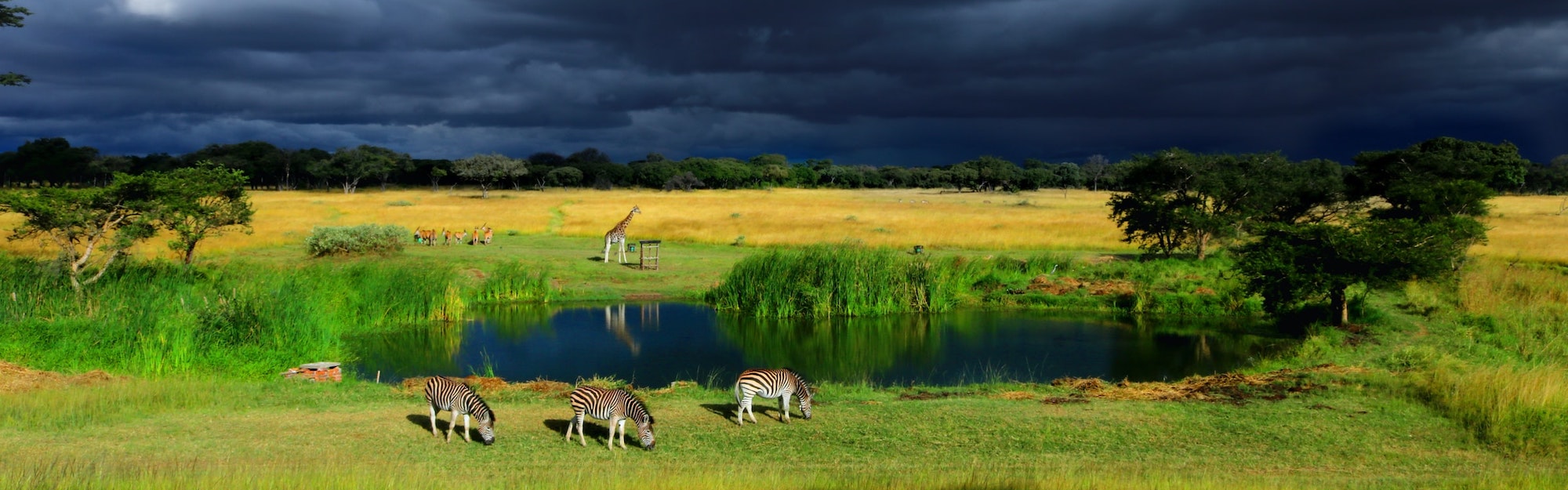
Nature lovers have plenty to explore too. The Lion and Cheetah Park, National Botanic Garden, Mukuvisi Woodlands, and the intriguing Chirimba Balancing Rocks are all nearby. Lake Chivero offers opportunities for fishing, sailing, and jet-skiing.
Visitors will find that US dollars are widely accepted, and carrying some cash is helpful. Mobile money services are popular locally and can be useful for longer stays.
With its friendly people, lively culture and beautiful surroundings, Harare invites travellers to experience the warmth and spirit of Zimbabwe's capital city.
Getting Around
Harare's transport options have been improving after some past fuel shortages. Renting a car is often the easiest way to get around, with many rental companies available throughout the city. Taxis are also common and generally safe when arranged through trusted services. Ridesharing apps such as Vaya offer convenient alternatives.
Minibus taxis, called kombis, are an affordable choice popular with locals. While they are a great way to get around, it's best to be mindful as they can sometimes be crowded. Buses mainly serve longer-distance travel and can occasionally be affected by fuel availability.
Many areas of Harare, such as Avondale Market and Borrowdale Village, are pleasant to explore on foot during the day. For safety, it's advisable to avoid walking after dark.
Harare Climate and Weather
Harare enjoys a subtropical highland climate with distinct wet and dry seasons. The summer season lasts from October to April, bringing warm to hot days with plenty of sunshine. Average daytime temperatures reach around 81°F (27°C), and afternoon thunderstorms are common, especially between November and March when most of the rainfall occurs.
Winter runs from June to August and offers pleasant, dry weather with warm, sunny days. Night-time temperatures can drop significantly, often falling to around 42°F (6°C), so evenings and early mornings can feel quite cool.
Overall, Harare enjoys mostly sunny and comfortable weather throughout the year, making it a welcoming destination in any season.
Zimbabwe travel info
Electricity
The electrical current is 220 volts, 50Hz. Three-pin rectangular blade plugs are common.
Language
Zimbabwe has 16 official languages, including English, Shona, and Ndebele. English is used in schools, government, and business, though few speak it as a first language. Shona and Ndebele are the most widely spoken local languages.
Money
Zimbabwe's official currency is the Zimbabwe Gold (ZiG), though the US dollar is still widely used and accepted throughout the country. Since both use the '$' symbol, it's a good idea to double-check which currency is being quoted before making a payment. Credit and debit cards (mostly Visa and Mastercard) are accepted at many hotels, restaurants, and larger stores, but it's best to check in advance, as card facilities can be limited. Cash can sometimes be in short supply, and ATMs may not always have funds, so carrying small US dollar notes is a practical option.
Tipping
Tipping is appreciated throughout Zimbabwe. A 10 to 15 percent tip is typical in restaurants if no service charge is included, and small tips are welcomed by hotel staff and taxi drivers. Guides and rangers are often tipped in safari settings.
Health
Travellers arriving from countries where there's a risk of yellow fever risk should have a valid yellow fever vaccination certificate, and vaccinations for hepatitis A, hepatitis B and typhoid are recommended. Malaria is present year-round in many parts of Zimbabwe, especially around the Zambezi Valley, Victoria Falls, Hwange, and the Eastern Highlands, while the risk is very low in Harare and Bulawayo. It's a good idea to take precautions against mosquito bites; cholera cases sometimes increase during the rainy season due to flooding and water contamination. While healthcare facilities face some challenges, taking basic food and hygiene precautions will help ensure a safe trip. Tap water in urban areas is generally not recommended for drinking; bottled water is widely available. Due to occasional shortages in public hospitals, bringing personal medication and having travel health insurance is advisable. Private clinics usually expect cash payment, and medical costs may be higher than expected.
Safety
Crime levels in Zimbabwe are moderate, and solo travellers should take usual precautions, especially after dark. Petty crimes such as pickpocketing and occasional mugging can happen in city centres, and it's wise to stay aware at airports, banks and cash points as well. It's best to avoid carrying large amounts of cash visibly.
Intercity bus and rail services are generally less reliable and may not meet all travellers' expectations. For greater comfort and safety, using taxis recommended by hotels is a good option.
When enjoying wildlife experiences, it's important to keep a safe distance and follow the advice of professional guides. This helps ensure both visitor safety and the well-being of the animals.
Local customs
In Zimbabwe, respect plays an important role in social interactions. It's customary to stand when greeting someone who enters a room or to lower the head slightly when meeting someone older or of higher status. Elders should be greeted first, and it's considered impolite to openly challenge their opinions. Gratitude is often expressed nonverbally; clapping twice, for example, is a common way to say 'thank you'.
Visitors should avoid photographing government buildings, military sites, roadblocks, and demonstrations, as this is restricted and may attract unwanted attention. It's also illegal to photograph police or military personnel. Homosexuality is illegal, and camouflage clothing is reserved for the military, so civilians should avoid wearing it.
Doing business
Business in Zimbabwe is conducted in English, and the atmosphere is often warm and relatively informal, with relationship-building an important part of business culture. Socialising outside of work, including meals or occasional drinks, may be part of business interactions. Dress is generally conservative, but lightweight suits or smart jackets are more practical for the hot climate than heavier formal wear. It is customary to shake hands with both men and women at the beginning and end of meetings, although some individuals may prefer a verbal greeting. Business hours typically run from Monday to Friday, 8am to 4.30pm, though this can vary. Some businesses close early on Wednesdays or open on Saturday mornings, particularly outside major cities.
Duty free
Travellers to Zimbabwe can bring in goods valued up to US$200 duty-free once every 30 days. This includes personal items such as tobacco and up to 5 litters of alcohol, with no more than 2 litters of spirits. Prohibited items include narcotic drugs, obscene materials, toy firearms, and certain knives. Visitors should declare all goods and avoid restricted items to ensure a smooth customs process.
Communications
The international dialling code for Zimbabwe is +263. Travellers can purchase prepaid SIM cards for unlocked phones and top hotels offer WiFi.
Passport & Visa
Visitors to Zimbabwe should have travel itineraries, tickets and documents for return or onward journeys, as well as sufficient funds to cover their stay. Visa fees, where required, are usually paid in US dollars and vary depending on nationality and visa type. It's recommended that passports have at least six months' validity beyond the planned departure date. Travellers may sometimes find that immigration officials apply rules differently than those communicated by travel agents or official sources.
Entry requirements
US passport holders must have a passport that is valid for at least six months beyond the date they expect to leave Zimbabwe. A visa is required and must be obtained before travel, either online or from a Zimbabwean embassy or consulate. Visas are generally not issued on arrival.
UK passport holders must have a passport that is valid for at least six months beyond the date they expect to leave Zimbabwe. A visa is required and must be obtained before travel, either online or from a Zimbabwean embassy or consulate. Visas are generally not issued on arrival.
Canadian passport holders must have a passport that is valid for at least six months beyond the date they expect to leave Zimbabwe. A visa is required and must be obtained before travel, either online or from a Zimbabwean embassy or consulate. Visas are generally not issued on arrival.
Australian passport holders must have a passport that is valid for at least six months beyond the date they expect to leave Zimbabwe. A visa is required and must be obtained before travel, either online or from a Zimbabwean embassy or consulate. Visas are generally not issued on arrival.
South African passport holders must have a passport that is valid for at least six months beyond the date they expect to leave Zimbabwe. A visa is not required for visits up to 90 days.
Irish passport holders must have a passport that is valid for at least six months beyond the date they expect to leave Zimbabwe. A visa is required and must be obtained before travel, either online or from a Zimbabwean embassy or consulate. Visas are generally not issued on arrival.
New Zealand passport holders must have a passport that is valid for at least six months beyond the date they expect to leave Zimbabwe. A visa is required and must be obtained before travel, either online or from a Zimbabwean embassy or consulate. Visas are generally not issued on arrival.
Useful contacts
Official tourism website of Zimbabwe: zimbabwetourism.net
999 (Ambulance Services, Fire Departments, Police Service)