

City guides
 United Kingdom
Scotland
United Kingdom
Scotland
Isle of Arran Travel Guide
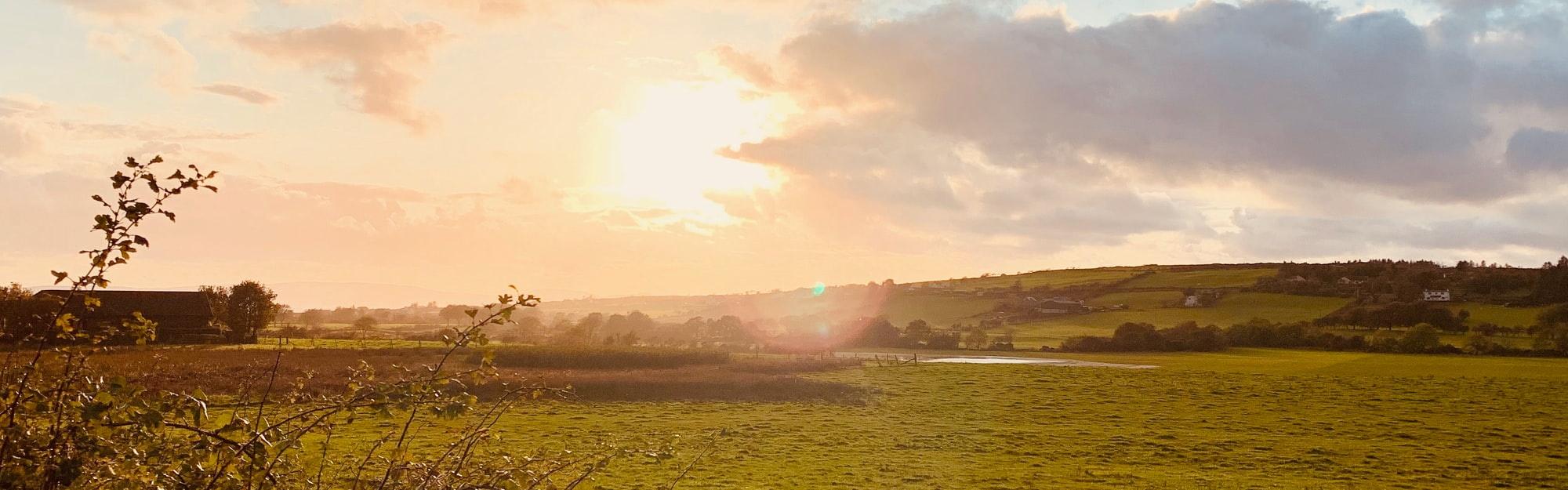
Located close to Scotland's Ayrshire coast and Glasgow, Arran's picturesque villages dot the coastline against a backdrop of rugged mountains, green rolling hills and woodlands. Arran attracts both travellers looking for a break from the bustle of big city life and those wanting an adventurous holiday embracing the region's natural splendour. Although many tourists come here to visit the world-famous Arran Distillery to sample the single malt whisky, they will be surprised at the amount of other activities Arran has to offer. There really is quite literally something for everyone on the Isle of Arran.
Arran is the largest island in the Firth of Clyde and, like many of its neighbouring islands, there is prehistoric evidence of continuous habitation since the early Neolithic period. Archaeological sites such as Ossian's Mound, near Clachaig, and a cairn near Blackwaterfoot, have yielded ancient treasures providing a tantalising glimpse into the rich history of this region. The six stone circles at Machrie Moor date back as far as the Neolithic period. Other popular attractions include Brodick Castle, which was previously a seat of the Dukes of Hamilton, and the 14th-century Lochranza Castle, which was once used as a hunting lodge for Scottish kings.
The lure of the great outdoors is central to Arran's appeal, where walking, quad biking, cycling, golfing and trout fishing opportunities are plentiful. With everything from salmon and venison to chocolate and beer, the Isle of Arran also attracts 'foodies' and is earning an international name for itself, partly due to its high quality local produce.
United Kingdom travel info
Electricity
The electrical current in the UK is 240 volts, 50Hz. Flat, three-pin plugs are standard.
Language
English is the official language, though visitors will be astonished by the variety of regional accents.
Money
The currency is the British pound (GBP), which is divided into 100 pence. ATMs are available in almost all towns and Visa, MasterCard and American Express are widely accepted. Foreign currency can be exchanged at bureaux de change and large hotels, though better exchange rates are likely to be found at banks.
Tipping
Tips of 10 to 15 percent are expected in restaurants and upmarket hotels in the UK if a service charge hasn't been included. Hotel service staff receive an optional amount, while taxi drivers are usually given 10 to 15 percent of the fare. Tipping bartenders isn't expected, and tipping for other services is discretionary.
Health
There are no specific health risks associated with travel to the UK and food and water can be considered safe. The British National Health Service is excellent, and a number of countries have reciprocal health agreements with the UK including Australia, New Zealand and EU countries. Visitors from other countries such as Canada, South Africa and the United States are advised to take out comprehensive travel insurance.
Safety
It's generally safe to travel throughout the UK.
Local customs
Handshaking is customary when introduced to someone new. Smoking is banned in all enclosed public spaces, including pubs, restaurants and public transport. Queue barging is frowned upon and there is strict etiquette on escalators: stand on the right, walk on the left. Visitors may find Londoners more rushed and less friendly than locals in other parts of the country, particularly on London transport, where tourists are often the only people who talk.
Doing business
The four countries of the United Kingdom, although culturally and historically different, generally keep to the same business practices. Politeness and punctuality are key to good business relations and initial meetings are often conducted formally and impersonally, becoming more open and social as things progress. Business cards are exchanged at introductions, and dress is formal with dark suits preferred. Business hours are generally 8am to 5pm Monday to Friday with an hour taken at lunch.
The communication style can be difficult to adjust to: the British people respect politeness to a point that often obscures their ability to say exactly what they mean. As a result, travelling business people may need to learn to 'read between the lines' and to take cues from tone of voice and facial expression. Humour is also an integral part of the British system of communication, and is used to diffuse a tense situation and to cultivate relationships. Foreigners should never assume that an attempt at humour undermines a person's ability to do their job, or discredits the importance they attach to a deal or negotiation. Furthermore, they shouldn't be fooled into thinking that the British propensity for irony and sarcasm equates with an informal work environment.
Foreigners should be tactful during meetings, avoid becoming emotional and illustrate their experience with the subject at hand. Performance and initiative are looked upon favourably, whereas academic pretension is given far less credence. Meetings are often used as platforms for debate, rather than moments of confirmation, so there should be no surprise if not much progress is made. Foreigners should be sure to respect and appeal to all parties involved, as the British have recently begun to take a far flatter approach to management and the responsibility of decision-making. And if things go well, it's worth purchasing a pint or two for clients or colleagues; though gifts are borderline inappropriate, a round of drinks will rarely be refused.
Duty free
Travellers can bring the following goods into the UK tax or duty free: 200 cigarettes, 100 cigarillos, 50 cigars or 250g of tobacco, 18 litres of still table wine, 42 litres of beer, 4 litres of spirits or strong liqueurs or 9 litres of fortified wine, sparkling wine or other alcoholic beverages of less than 22 per cent volume.
Communications
The international country dialling code for the UK is +44. Mobile phone coverage is extensive and free WiFi is widely available in pubs and coffee shops. Travellers can purchase local prepaid SIM cards for unlocked phones or use eSIMs if their cellular providers support it on their networks.
Passport & Visa
If a visa is not required, travellers should hold a return or onward ticket, and proof of funds for the duration of stay. Passports must be valid for the period of intended stay in the UK. It's highly recommended that travellers' passports have at least six months' validity remaining after the intended date of departure from their travel destination. Immigration officials often apply different rules to those stated by travel agents and official sources. For visitors who are visa exempt up to a maximum stay of six months, the period of stay will be determined by the Immigration Officer on arrival.
Entry requirements
US travellers must hold a passport that is valid for the duration of their stay; a visa is not required for stays of up to six months.
Canadian passports must be valid for at least the expected duration of the stay. No visa is required for stays of six months or less.
Australian passports must be valid for at least six months after the departure date. No visa is required for stays of six months or less.
South Africans require a valid passport and a visa for entry or transit through the UK. South African temporary passports are not recognised.
Under the Common Travel Area agreement, citizens from the UK and Ireland are not required to pass through passport control. They can travel between both countries without a valid passport if they can prove they are a valid UK or Irish national.
New Zealand nationals must hold a valid passport, but no visa is required for stays of up to six months.
Useful contacts
United Kingdom Tourism Website: www.visitbritain.com
999 (General)