

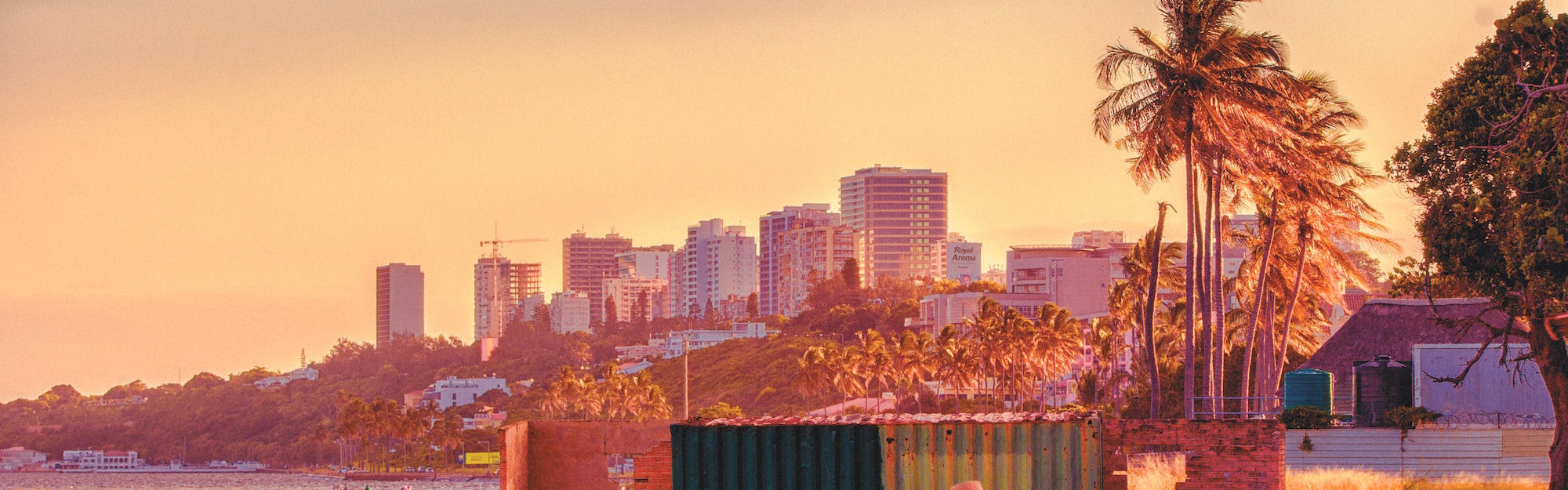

Maputo Travel Guide
This sprawling city of Mozambique was one of the most beautiful and fashionable cities on the African continent. Influenced largely by Portuguese colonial rule in the 18th century, its charm exists in a sophisticated international atmosphere, elegant buildings, and wide, shaded avenues.
Maputo, originally known as Lourenzo Marques before independence, became the capital of Mozambique in 1898 and the city established itself as a major trade and industry centre. Subsequently, it boasts the country's most important harbour.
Following decolonisation, the civil war which raged for 17 years during the 1970s and 80s had a devastating effect on Maputo. It reduced the proud city to a state of disrepair, with thousands of immigrants taking over from where the wealthy socialites left off.
The city has worked hard to recreate some of its former grandeur, with the five-star Polana Hotel once again abuzz with the gossip of the rich and famous. Restaurants will predictably be serving up the regions famous peri-peri prawns.
Today, Maputo is a lively mix of people, with lots of markets and street vendors, a vibrant cafe culture, buzzing nightclubs, and a relaxed pace of life. It's rundown and somewhat dilapidated, but Maputo can be a fun and interesting stop on a Mozambique holiday.
Many visitors are simply passing through on their way to popular coastal regions and islands such as Inhaca, situated just off the coast and a popular spot for diving and snorkelling. It's worth spending at least a few hours strolling around the city.
Things to do in Maputo
Although often unappreciated due to the stunning natural attractions and resort regions just beyond its urban sprawl, Maputo offers some worthwhile tourist attractions and is best tackled on foot, with most of its sights clustered together.
Self-guided walking tours should include a stop at the bustling Central Market, the Jardim Tunduru Botanical Gardens, and the lovely railway station, designed in 1910 and widely considered one of the most beautiful in the world. Visitors can also enjoy a sunset drink at the famous Polana Hotel overlooking the bay.
The city is blessed with some great restaurants and a vibrant nightlife that focuses on locals and not tourists, and is the gateway to many splendid beaches and resorts to the north and south of the city. Additionally, the Maputo Elephant Reserve has growing numbers of game and beautiful coastal areas.
Ponta d'Ouro is the southernmost resort on the Mozambique cost, famed for its white sand beaches and as one of the country's best diving locations, abundant in rich coral reefs and varieties of marine life.
To the north of Maputo are the beautiful inland lakes at Bilene and the famous beaches of Xai-Xai, popular tourist destinations that offer fishing, water sports, and plenty of relaxation in beautiful surroundings.
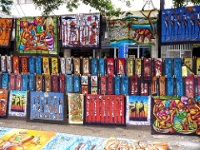
Central Market
The Central Market spills out of a beautiful yet charmingly shabby old building. It's a hub of activity offering all kinds of goods, from fruit and vegetables, a variety of seafood, and household items, to handicrafts, basketware, and carvings. This is a market designed to serve local needs and not tourists, making it an authentic experience and a good opportunity to see how the people in Maputo shop and what they eat. Although it's primarily a food market, one can find many interesting souvenirs and trinkets. Vendors are ready to haggle, and travellers can often negotiate themselves big discounts, though knowing a little Portuguese will help. Visitors should bear in mind that the merchants will usually charge foreigners exorbitant prices, so they shouldn't be afraid to walk away and compare prices elsewhere. It's also a good idea to have small change ready. Unfortunately, the market is a haven for pickpockets and thieves, so visitors should be very vigilant about their surroundings and conceal all valuables from view.
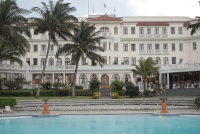
Polana Hotel
The Polana Serena Hotel boasts one of the city's most desirable addresses overlooking the bay. The historic hotel is a majestic building, evoking the style and sophistication of times gone by with its gardens, Victorian lift, and five-star luxury. Built in 1922, the Polana is widely considered to be one of Africa's finest old luxury hotels. If travellers are looking to splurge while visiting Maputo, the Polana Serena Hotel is their best bet. It's centrally located and close to many of the city's most popular tourist attractions. There are three restaurants at the hotel: the Varanda Restaurant, which is open all day; the Delagoa fine-dining French restaurant; and the Aquarius sushi restaurant. There's also a stunning outdoor pool area surrounded by tropical gardens, as well as a casino, a spa, and other luxury features. A sunset drink in one of its cocktail bars is a must for those passing visitors not tempted to splash out on an extravagant stay. At the very least, it is worth asking permission to stroll around the gardens and see the view.
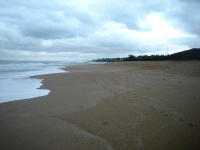
Xai Xai
Just 124 miles (200km) north of Maputo, the small town of Xai Xai is a popular excursion for those seeking a relaxing day on the beach. Xai Xai has a scattering of shops, bars, restaurants, and accommodation, but the real draws are the superb scuba diving and snorkelling sites. The coral reef running parallel to the main beach creates ideal diving conditions, and there are some fun dive sites nearby, including the natural underwater tunnel at Wenela Tidal Pool, just one mile (2km) south. The sandy white beaches with their calm waters are a fantastic place to swim, with freshwater lakes nearby great for kayaking, paddle skiing and windsurfing. The resort town of Bilene is also nearby. The lagoon at Bilene is very popular for watersports, and with safe and shallow waters, it is an especially good destination for families. However, visitors should anticipate attention from the locals selling crafts and trinkets in the region. For those wanting to extend their stay, there are some great accommodation options, including good budget accommodation for backpackers. The roads between Maputo and Xai Xai are in good condition and traversable without a 4x4 vehicle, which is a big advantage for day-trippers.
Ponta d'Ouro
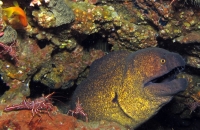
Located along a sandy road just south of Maputo, Ponta d'Ouro is home to some of the most perfect waves in Africa. Offering spectacular dive sites and a wealth of sea creatures, it is a popular destination with surfers, divers, and underwater enthusiasts. Swimming with dolphins is a must and can be a deeply rewarding and life-changing experience. Travellers can stroll along white beaches stretching far into the distance or explore the rock pools full of colourful shells and corals. Local specialities and trinkets include the locally produced Tipo Tinto Rum, tasting slightly of vanilla and perfect with pineapple or raspberry juice, as well as hardwood carvings in all shapes and sizes. Customers should avoid beautiful shells as they may potentially have been stolen off local reefs. Tours of local pubs, called shebeens, allow visitors to explore the rustic drinking-houses along a stretch of rough road. Accommodation ranges from rustic to luxurious, with lovely campsites right on the beach. Ponta d'Ouro is accessible from South Africa, making it a great addition to a tour of southern Africa.
Jardim Tunduru Botanical Gardens
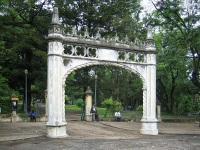
Located in downtown Maputo, the Jardim Tunduru Botanical Gardens offers a welcome shady retreat on steamy tropical days. The gardens were designed in 1885 by British gardener, Thomas Honney, who in his career also designed gardens for the King of Greece and the Sultan of Turkey. Although still beautiful and exquisitely laid, the gardens are not as well-maintained as one might like and are a little overgrown. But they are still a worthwhile stop on a walking tour of the city and a great place to enjoy a picnic or a stroll. The Jardim Tunduru Gardens also feature tennis courts, a greenhouse, several wonderful old trees, colourful tropical flora, and a statue at the entrance of Mozambique's famous first president, Samora Machel. The gardens are centrally located and situated close to a number of other attractions in Maputo, with several restaurants in and around them. They're open daily and admission is free. Homeless people sometimes sleep in the grounds at night and it's quite dangerous after dark.
Inhaca Island
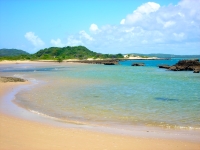
Situated almost 25 miles (40km) off the coast of Maputo, Inhaca Island is an immensely popular African resort destination. It boasts beautiful beaches, some of the Mozambique Channel's best coral reefs, a historic lighthouse, a marine biology museum, and large areas of protected forest. Easily accessible from the capital, it's a favourite among snorkelers and divers who usually head for the reefs at Santa Maria, the lighthouse, or the surrounding sunken wrecks. The Santa Maria reefs have strong drift currents running parallel to the shore. They're fantastic for snorkelling, while the Wall is a rocky ledge that drops some 66 feet (20m) to the bottom, harbouring numerous caves and ledges filled with a variety of marine life. Game fishing and water sports such as water skiing, parasailing, windsurfing, sea kayaking, and sailing are also popular on the island. Beautiful beaches ring Inhaca, visitors can enjoy a sunset cruise or take boats across to the deserted island. The resort has a tennis court and swimming pool, with excursions available to the biology station, lighthouse beach, the mangrove swamps, and the Santa Maria Wall. Restaurants are mostly limited to the lodge. However, the nearby village has a takeaway burger stand and an attached seafood restaurant, as well as a few small shops selling typical tourist tat such as sarongs and seashells. There is no real nightlife on the island, though the lodge has a bar.
Getting Around
While the transportation infrastructure in Maputo is fairly undeveloped, visitors should nevertheless have no trouble getting around the city. Minibus taxis (chapas) operate along regular routes throughout Maputo, and are a fast and relatively cheap means of getting around the city.
Minibus taxis have their routes posted in the front of the vehicle. A conductor calls out the destination when the vehicle approaches a stop. Visitors should use their discretion when travelling by chapa, as they aren't always the safest and the quality of driving varies considerably.
Taxi cabs are also available in Maputo. Usually they aren't metered so it's best to negotiate a fare before getting into the vehicle. Visitors in Maputo can opt for hiring a car. Driving is a perfectly viable option for getting around, especially for those wanting to explore beyond city limits.
Visitors planning to drive in Maputo should note that many of the roads are in disrepair and a 4x4 may be the best option. The city centre is relatively easy and safe to walk around during the day but walking at night isn't encouraged due to security concerns.
Maputo Climate and Weather
Maputo has a tropical savannah climate. Winters (June to August) are dry and mild, with average temperatures between 58F (14C) and 77F (25C). The summer months, December to March, are noticeably hotter and wetter, with thunderstorms common in the afternoons. January is the hottest month with highs averaging around 86F (30C). The best time to visit Maputo is between April and June.
Mozambique travel info
Electricity
Electrical current is 220 volts, 50Hz. The rounded three-pin plug is common, particularly near the border with South Africa and in Maputo. Two pronged, round- and flat-pin plugs are also found.
Language
Portuguese is the official language, though over 40 languages are spoken in the country. English is taught in secondary schools, but is only spoken in the southern tourist regions.
Money
The official currency is the Mozambican Metical (MZN), which is divided into 100 centavos. In the southern parts of the country, South African rands and US dollars are often also accepted to pay for accommodation. It's prudent to carry some cash is these currencies for times when an ATM is out of order or nonexistent. Credit cards are accepted in most upmarket hotels in Maputo, but card facilities throughout the rest of the country are limited so, again, it's advisable to carry cash.
Tipping
Tipping has become standard practice in Mozambique, particularly in tourist areas where a tip of about 10 percent is expected in restaurants.
Health
Health regulations in Mozambique require visitors to have a yellow fever certificate if travelling from infected areas. Malaria is a risk throughout the year and prophylactics are recommended, as well as precautions against mosquitos.
Vaccinations are recommended for hepatitis A, hepatitis B, and typhoid. Visitors who will be spending a lot of time outdoors and may be at risk of animal bites should consider a rabies vaccination. All eligible travellers should be up to date with their COVID-19 vaccines.
Diseases caused by unsanitary conditions are common throughout the country, and untreated water should be considered as unsafe to drink. Cholera and other waterborne diseases are prevalent during the rainy season.
The government has declared tuberculosis (TB) a national emergency and expects it to be a problem for the foreseeable future. Hospital facilities are generally poor in Mozambique, and outside the major cities of Maputo and Beira medical facilities are limited.
Comprehensive medical insurance is essential and visitors should carry personal medical supplies with them. Visitors should make sure that all medication is in its original packaging and accompanied by a signed and dated letter from a doctor, detailing what the medication is and why it is needed.
Safety
Most visits to Mozambique are trouble free, but tourists should remain vigilant at all times. Violent crime can occur in major cities and tourist areas, and there is some mugging, bag snatching, and pick-pocketing. Visitors are advised to be alert in public places, to keep valuables out of sight, and to avoid walking anywhere at night. All visitors, especially women, should avoid walking alone on the beach, as beaches and offshore islands are not policed.
Visitors are advised that it is extremely risky to wander off well-travelled paths and roads, as a few unexploded landmines still lie scattered about the southern parts of the country. Local information should be sought before going off-road outside provincial capitals.
Travellers should remain vigilant when driving, as traffic accidents are common due to the poor condition of the roads. Many roads can become impassable in the rainy season (November to April), when there is also a risk of cyclones. Overland travel after dark is not recommended, and travellers should be especially alert when driving near the Mozambique-South African border. Police checkpoints are common, where foreigners may be at risk of harassment. There have been many reports of police attempting to solicit bribes, but travellers should insist on a written citation that can be paid at a police station. Travellers should also not travel to some northern districts in Cabo Delgado Province due to terrorism.
Local customs
Identity documents should be carried at all times; drug offences are taken very seriously, and can receive long jail terms and heavy fines. Visitors should ask permission before photographing anyone, particularly in remote parts of the country.
Doing business
Conducting business in Mozambique can be difficult, as many people only speak Portuguese or their own ethnic language. Translators are usually found in Maputo, but remain hard to come by. Punctuality is important and dress is usually conservative, with lightweight materials recommended.
Business associates should be addressed by their professional titles unless otherwise stated, and meetings generally start and end with a handshake. Men and women may shake hands, but any additional physical contact can be interpreted as romantic interest.
Duty free
Travellers to Mozambique may enter the country with the following items without incurring customs duty: 200 cigarettes or 250g of tobacco, perfume for personal use, and 750ml of spirits or three standard bottles of wine. Drugs are strictly prohibited and a permit is required for firearms and ammunition.
Communications
The international dialling code for Mozambique is +258. The outgoing code is 00 followed by the relevant country code (e.g. 0027 for South Africa). Internet access is easy and fast in Maputo and other major centres; upmarket hotels offer WiFi. Mobile coverage is expanding to all main cities in most provinces.
Passport & Visa
All foreign passengers to Mozambique must hold return or onward tickets, the necessary travel documentation for their next destination, and proof of sufficient funds to cover their expenses while in the country. Until recently visitors of most nationalities could obtain a 30-day tourist visa on arrival in Mozambique, but visas can now no longer be purchased at points of entry and must be organised beforehand. Those visiting Mozambique from a country where there is no Mozambican diplomatic mission should be able to get a visa on arrival but this should be confirmed in advance. A yellow fever vaccination certificate is required to enter Mozambique if visitors are arriving from or have transited through an infected area. It is highly recommended that travellers' passports have at least six months' validity remaining after the intended date of departure from their travel destination. Immigration officials often apply different rules to those stated by travel agents and official sources.
Entry requirements
US citizens must have a passport that is valid on arrival in Mozambique. A visa is not required for stays of up to 30 days.
British citizens must have a passport that is valid for at least six months beyond the date of arrival in Mozambique. A visa is not required for stays of up to 30 days.
Canadian citizens must have a passport that is valid for at least six months beyond the date of departure from Mozambique. A visa is not required for stays of up to 30 days.
Australian citizens must have a passport that is valid for at least six months beyond the date of departure from Mozambique. A visa is not required for stays of up to 30 days.
South African citizens must have a passport that is valid for at least 30 days beyond their intended stay in Mozambique. No visa is required.
Irish citizens must have a passport that is valid for at least six months beyond the date of arrival in Mozambique. A visa is not required for stays of up to 30 days.
New Zealand citizens must have a passport that is valid for at least six months beyond the date of arrival in Mozambique. A visa is not required for stays of up to 30 days.
Useful contacts
Department of Tourism official site: www.visitmozambique.net
Fire (198), medical emergencies (117), police (119).