

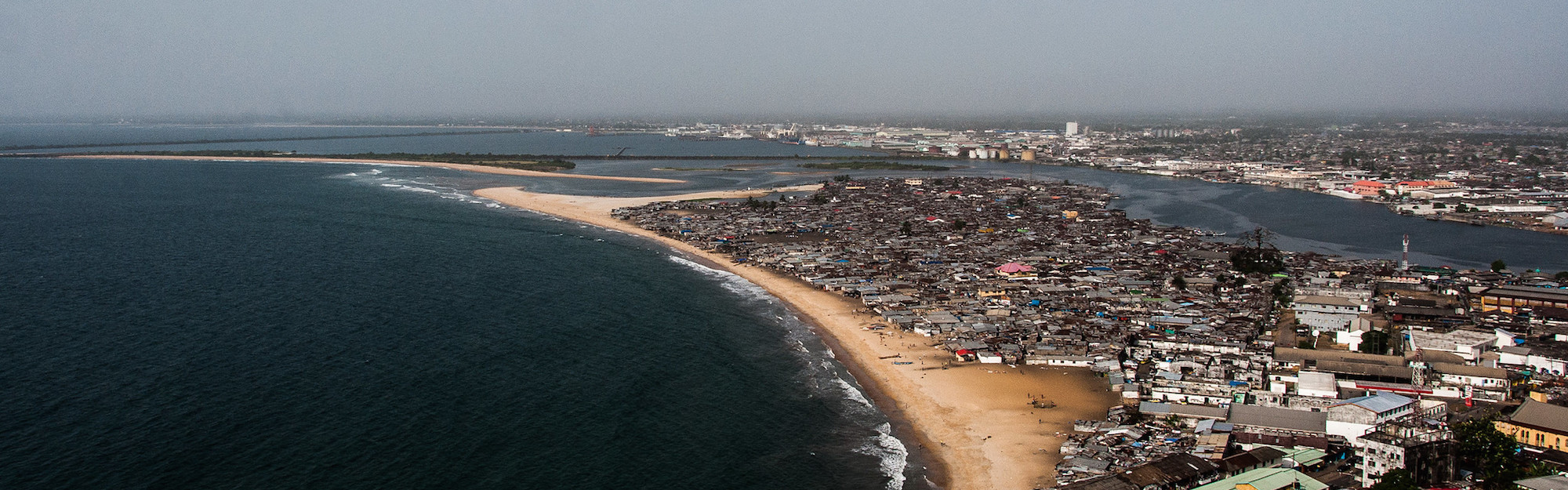

Monrovia Travel Guide
Founded in 1822 as a colony for freed African-American slaves, Monrovia is both the financial heart of Liberia and an important port on the West African coast.
The centre of Monrovia reflects a typical tropical city atmosphere. Its wide streets are lined with palm trees and informal merchants, and many paint-chipped buildings contribute to the city's character. Several notable attractions include the Waterside Market, one of the oldest Masonic Lodges in Africa, the National Museum of Liberia, and the Centennial Pavilion, built to commemorate Liberia's centennial independence anniversary.
One of Monrovia's unique attractions is Monkey Island, a sanctuary for chimpanzees located on a cluster of small islands nearby. Originally founded in the 1960s with ties to medical research, the facility no longer conducts experiments and now focuses on caring for rescued chimpanzees. Visitors can arrange appointments to tour the sanctuary and interact with the chimpanzees under supervision.
There are also several beaches around Monrovia, including ELWA Beach near the airport, Thinkers Beach, and Ce Ce Beach. Facilities are limited, and swimmers are advised to seek local guidance regarding safety, as ocean conditions can sometimes be hazardous.
Tourism in Monrovia is gradually growing, supported in part by improved infrastructure and increased visitor interest. While the selection of restaurants and bars downtown remains modest, visitors generally find the locals friendly and welcoming.
Getting Around
Monrovia doesn't have a fully established public transport system. Some buses and minibuses run on fixed routes but can be crowded and irregular, so they may not be the most comfortable option. Shared taxis are very common and convenient, though they often pick up multiple passengers along the way. For added peace of mind, visitors may prefer to arrange a private taxi, ideally through a hotel or a trusted local contact.
Motorbike taxis, known as 'Pen-pens', and auto-rickshaws called 'Keh-kehs' are popular and affordable but may not always offer the safest ride due to road conditions. Car rentals are available, and hiring a vehicle with a local driver is usually recommended.
If visitors plan to travel outside Monrovia, a four-wheel-drive vehicle is helpful, especially during the rainy season. It's best to avoid travelling at night when possible.
Monrovia Climate and Weather
Monrovia has a tropical climate, which means that it's hot and humid year-round and gets plenty of rain. Temperatures generally range between 68°F (20°C) and 89°F (32°C) year-round. The humidity makes it seem hotter than it is, but there's an almost constant breeze along the coast, which is refreshing.
The year can be divided into a wet and a dry season: between late April and mid-November it's hot, wet, and cloudy, with frequent heavy rain showers; and between December and March it's dry with hot days and cool nights. Monrovia is one of Africa's wettest capital cities, with annual rainfall averaging about 202 inches (5,130mm), but rain seldom falls outside of the wet season.
The best time to visit Liberia is in the dry season, between December and April. This time of the year is characterised by the hot, sandy Harmattan wind, which blows in from the Sahara Desert, but this is seldom very disruptive for travellers.
Liberia travel info
Electricity
The electrical current in Liberia is 120 or 220 volts, at either 60Hz or 50Hz depending on location. North American-style plugs are common, including types A and B. Types C, E, and F may also be used.
Language
English is the official language of Liberia, though around 30 indigenous languages are spoken throughout the country by different ethnic groups.
Money
The Liberian Dollar (LRD) is the official currency, but the US Dollar (USD) is also legal tender and widely used, especially in Monrovia and tourist areas. USD is generally the most practical foreign currency to carry, as prices are often quoted and paid in dollars. Euros and other currencies can be exchanged, but direct acceptance is rare, so it's best to convert them to USD first.
Currency exchange is available at the international airport, foreign exchange bureaus, and some banks in Monrovia and larger towns. Credit cards and traveller's checks are rarely accepted; cash is king. ATMs are limited, prone to outages or cash shortages, and fees can be high, meaning it's wise to arrive with sufficient USD cash on hand.
Tipping
Tips are appreciated in Liberia, although not always expected. Some restaurants include a service charge; if they don't, a 10 percent tip for good service is customary. Hotel staff such as bellhops and cleaners appreciate small gratuities (100 to 200 LRD), and guides or drivers may expect around 10 to 20 percent of the fee if passengers are pleased with their service.
Health
A yellow fever vaccination is required for all travellers to Liberia over one year of age; vaccinations for hepatitis A, hepatitis B and typhoid are also recommended. Malaria is present throughout the country, and preventive medication is advised for all areas. Travellers who may be at risk of animal bites or contact with bats should consider a rabies vaccination. It's also recommended to be up to date on routine vaccines such as polio, MMR (measles, mumps, rubella), and tetanus-diphtheria.
Tap water should not be consumed unless it has been boiled, filtered or chemically treated. Visitors should only eat fruit and vegetables that have been peeled or cooked, and avoid raw meat or fish. Meals should be eaten hot, and food from street vendors is best avoided.
Medical facilities in Liberia are very limited, and essential medicines may be unavailable. Travellers should have comprehensive travel health insurance and bring any required medications in original packaging, along with a signed letter from a doctor explaining their use.
Safety
Like many growing cities, Monrovia experiences some crime, which is mostly opportunistic and petty. Travellers are advised to be cautious, especially after dark, and avoid walking alone at night. It's wise to keep an eye on belongings in busy areas such as markets, public transport, nightclubs and beaches. While the local police provide assistance, their resources can be limited.
Certain regions, including Grand Gedeh and River Gee counties, are currently less stable, so the UK Foreign Office suggests visiting these areas only if necessary. For most travellers, planning ahead, especially arranging transportation from the airport to Monrovia and securing accommodation at trusted hotels, will help ensure a smooth and enjoyable visit, as public transport is limited and quality lodging can be in high demand.
Local customs
Travellers to Liberia don't need to worry too much about strict social rules. It's a good idea to avoid loud behaviour or showing off wealth, and it's always appreciated to smile and say hello when making eye contact with people in the street.
Because Liberia doesn't see many tourists, visitors might sometimes feel a bit watched, but most locals are friendly and welcoming. One thing to keep in mind is not to take photos of military or government buildings without permission, as this can be sensitive.
A special part of Liberian culture is the 'fingersnap handshake', where people make a little snapping sound during the handshake. This gesture is said to celebrate freedom and is an important tradition visitors will see all around the country.
Doing business
Liberia is one of the poorest countries in the world, and years of internal conflict and government mismanagement have taken a heavy toll on its economy. Historically, it has depended on foreign investment, international aid, and the export of natural resources such as rubber and timber to get by.
When it comes to business, lightweight suits or just a shirt and tie work best in the hot climate. Business etiquette tends to be pretty formal, so it's polite to address people by their title and last name unless they suggest otherwise. Handshakes and exchanging business cards are common when meeting someone. Foreigners should keep in mind that meetings rarely start right on time. Typical business hours run from 8am to noon, then pick up again from 2pm to 5pm, Monday through Friday.
Duty free
Visitors to Liberia may import duty-free: 200 cigarettes, 25 cigars, 250g of tobacco, 1 litre of spirits, 2 litres of wine, 100g of perfume, and gifts valued up to $125.
Communications
Liberia's telecommunications infrastructure was severely damaged during the civil wars, leading to a near-total collapse of landline services. As a result, mobile phone networks have become the primary and more reliable means of communication. The international dialling code for Liberia is +231. While internet services are primarily concentrated in Monrovia, efforts are underway to expand coverage to rural areas. Visitors can purchase local SIM cards from various mobile network providers.
Passport & Visa
All foreign passengers to Liberia require a visa. Holders of a pre-arranged visa can obtain a visa on arrival, provided they're entering from a country without diplomatic representation of Liberia, their visa has been pre-arranged and paid for by a local sponsor in Liberia, and the transporting carrier in Monrovia has the following details: the passenger's name, nationality, document number, flight number, date of arrival, and address of stay in Liberia. Passengers shouldn't be boarded unless a telex confirmation from the airline's station manager in Monrovia is stapled to the ticket. A yellow fever vaccination certificate is required to enter Liberia. It's highly recommended that travellers' passports have at least six months' validity remaining after the intended date of departure from their travel destination. Immigration officials often apply different rules to those stated by travel agents and official sources.
Entry requirements
US citizens must have a passport that is valid upon their arrival in Liberia. A visa is required.
British citizens must have a passport that is valid for the duration of their stay. A visa is required.
Canadian citizens must have a passport that is valid for at least 6 months beyond the date they expect to leave Liberia. A visa is required.
Australian citizens must have a passport that is valid upon their arrival in Liberia. A visa is required.
South African citizens must have a passport that is valid upon their arrival in Liberia. A visa is required.
Irish citizens must have a passport that is valid upon their arrival in Liberia. A visa is required.
New Zealand citizens must have a passport that is valid upon their arrival in Liberia. A visa is required.