

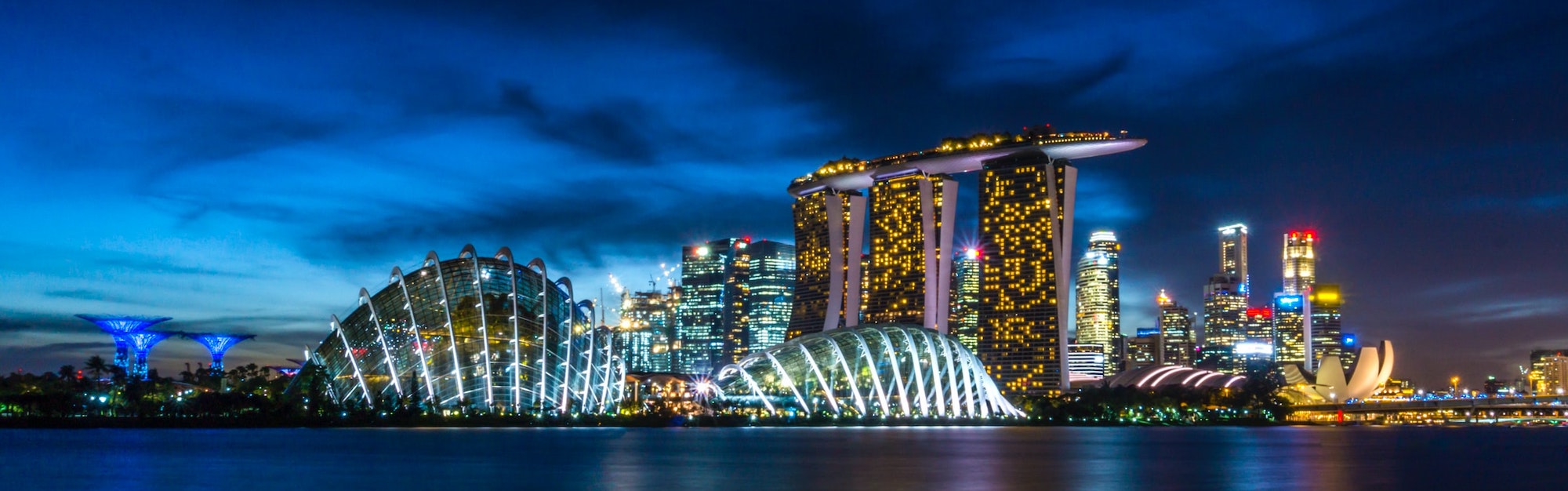

Singapore Travel Guide
Singapore is a captivating city-state where cutting-edge innovation lives alongside deep-rooted tradition. For travellers passing through on a longer journey or those beginning their adventure through Asia, it offers a unique blend of modern energy and cultural richness. Its identity is shaped by a vibrant mix of Chinese, Malay and Indian communities, creating a city defined by both heritage and a progressive spirit.
The destination lies just off the southern tip of Malaysia and began as a quiet fishing village. Its transformation took off in 1819 when Sir Stamford Raffles arrived and saw the island's potential as a strategic trading post. Since then, it's grown through colonial rule, wartime occupation and political unrest, ultimately emerging as an independent republic in 1965. Today, it stands as one of Asia's most impressive success stories, and is polished, efficient and full of character.
There's always something happening in the city. In mid-year, the Great Singapore Sale attracts bargain hunters with deals on electronics, fashion and jewellery. Throughout the year, the city comes alive with cultural festivals, including Chinese New Year, Hari Raya Puasa, Vesak Day, Thaipusam and the Dragon Boat Festival. Each celebration reflects the city's multicultural roots and brings with it colour, flavour and a sense of community.
Downtown, the Colonial District tells the story of Singapore's past. Landmarks such as St. Andrew's Cathedral, the Empress Place Building and the legendary Raffles Hotel stand as elegant reminders of its colonial history. While much of old Singapore has given way to a gleaming skyline, these preserved spaces offer moments of quiet charm. Just beyond, neighbourhoods such as Chinatown, Little India and the Arab Quarter provide an immersive look into Singapore's diverse heritage, from intricate temples and mosques to bustling markets and spice-scented eateries.
Small in size but rich in experience, Singapore is a place where the past and future meet, and every corner invites exploration of something new.
Things to do in Singapore
Singapore is a vibrant city that offers something for every kind of traveller. History buffs can explore the heritage-rich streets of Kampong Gelam or admire the timeless beauty of Thian Hock Keng Temple, while the colourful enclaves of Chinatown and Little India unlock Singapore's multicultural roots through unforgettable sights, sounds and flavours.
Nature lovers will find respite in the lush surroundings of the Singapore Botanic Gardens, a UNESCO World Heritage Site, or in the tranquility of Bukit Timah Nature Reserve, home to one of the country's last remaining tracts of primary rainforest.
For families, the renowned Singapore Zoo provides a memorable day out, featuring open-concept habitats and a wide array of wildlife from around the globe. Other highlights include Sentosa Island, known for its sandy beaches, theme parks, and recreational attractions, as well as the newly opened Bird Paradise at the Mandai Wildlife Reserve. The Chinese and Japanese Gardens are currently being redeveloped as part of the expansive Jurong Lake Gardens project.
Art and design enthusiasts will appreciate the Red Dot Design Museum, which showcases innovative products and creative design solutions. Contemporary Southeast Asian art is celebrated at the Singapore Art Museum, which is currently undergoing redevelopment and presenting exhibitions at alternative venues across the city.
To simplify travel around the city, the Singapore Tourist Pass offers unlimited rides on public buses and MRT trains for one, two, or three days. The pass is available at most major MRT stations and selected outlets.
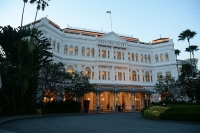
Raffles Hotel
Raffles Hotel is a grand Victorian icon in Singapore's colonial district, famed for its timeless elegance and storied guests such as Hemingway, Chaplin, and Kipling. Visitors can sip a classic Singapore Sling at the Long Bar beneath gently whirring fans, or enjoy afternoon tea at the beloved Tiffin Room. The Bar & Billiard Room offers laid-back charm with gin, tonic, and the occasional game of snooker. With around 15 restaurants and bars, plus boutiques and cultural touches, Raffles is more than a hotel; it's an experience. History, hospitality and heritage come together here in one unforgettable stay.
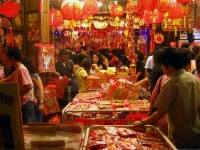
Chinatown
Tucked between Singapore's gleaming skyline and its dynamic financial district, Chinatown offers a richly layered glimpse into the city's cultural heart. Winding streets and narrow alleyways echo the traditions brought by Chinese immigrants from Guangdong and Fujian in the early 19th century. Here, the ornate Thian Hock Keng Temple stands as a quiet tribute to the sea goddess Mazu, while the Yixing Xuan Teahouse invites visitors to slow down and savour the ritual of Chinese tea-making. In Tanjong Pagar, traditional crafts such as painted masks and paper umbrellas line the shophouses, and nearby stalls brim with kimonos, pottery and keepsakes. Though modern developments have changed its face, Chinatown continues to honour its roots, offering a welcoming window into Singapore's enduring heritage.
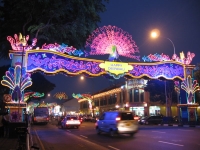
Little India
Little India is a lively, colourful neighbourhood where the rich heritage of Indian settlers thrives. Since the early 19th century, these settlers have shaped the area with their spices, silks and vibrant culture. Today, it's a bustling hub filled with temples, restaurants and shops offering everything from henna tattoos to bargains. The food here is a must-try, and is affordable, flavourful and served in generous portions. Little India truly comes alive during the Hindu Festival of Lights, Deepavali, when the streets sparkle with beautiful lights, adding to the charm of this cultural gem.
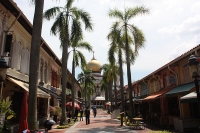
Kampong Gelam and Arab Street
Kampong Gelam, named after the Gelam tree that once grew in abundance here, was set aside by Sir Stamford Raffles in 1819 as a settlement for the Muslim community. Over time, it blossomed into a vibrant centre of Arab trade and Malay culture. Today, its streets, such as Haji Lane and Arab Street, are alive with colourful textiles, fragrant spices, and handcrafted goods spilling onto the sidewalks. The golden-domed Sultan Mosque rises above it all, while the former royal palace, Istana Kampong Gelam, now houses the inviting Malay Heritage Centre. With its rich heritage and laid-back charm, Kampong Gelam is best explored in the cool of morning or evening.
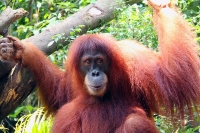
Singapore Zoo
The Singapore Zoo offers an extraordinary encounter with the animal kingdom, where more than 2,500 animals live in habitats carefully designed to reflect their natural environments, from dense rainforests to open savannahs. Through immersive exhibits, engaging animal presentations, and family-focused activities in KidzWorld, the zoo invites a deeper appreciation of the natural world. As evening falls, the experience continues at the Night Safari, the world's first nocturnal wildlife park. Visitors can explore softly lit trails or journey by tram through moonlit landscapes, observing nocturnal animals in their element. It's a rare and unforgettable glimpse into the rhythms of the wild.
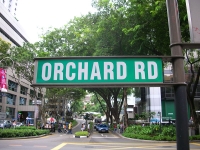
Orchard Road
Orchard Road is the vibrant heart of Singapore's shopping and entertainment scene. Stretching about 1.5 miles (2.5 kilometres), this iconic boulevard draws locals and visitors alike with its dazzling mix of luxury malls, bustling department stores and chic boutiques. At one end lies The Istana, the president's official residence; at the other, the tranquil Botanic Gardens. Along the way, must-visits such as Tangs, ION Orchard and Tanglin Mall offer world-class retail and international dining. Whether browsing designer labels or sampling hawker-style delights, Orchard Road promises an unforgettable experience, and it's well worth saving suitcase space for.
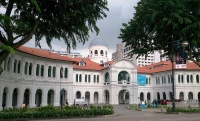
Singapore Art Museum
Housed in a beautifully restored former school on Bras Basah Road, the Singapore Art Museum (SAM) is a vibrant space dedicated to Southeast Asian contemporary art. Though the main building is currently closed for an exciting revamp, SAM continues to host thought-provoking exhibitions at its Queen Street space. The museum is known for its ever-changing shows, kid-friendly activities and engaging guided tours in English, Japanese and Mandarin. When fully open, it's also home to a cosy café and a design-lover's dream shop.
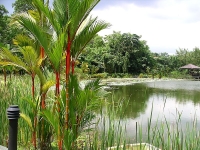
Singapore Botanic Gardens
Located near Singapore's city centre, the Botanic Gardens span 82 hectares of rainforest and beautifully designed gardens, offering a peaceful retreat in the heart of the city. A UNESCO World Heritage Site, the grounds feature the renowned National Orchid Garden, showcasing over 1,000 species and 2,000 hybrids. Early mornings see joggers and tai chi enthusiasts enjoying the serenity, while families gravitate to the Jacob Ballas Children's Garden, complete with treehouses, a maze and interactive exhibits. Outdoor concerts at Symphony Lake and charming cafés enhance the experience. Loved by both locals and tourists, the gardens are a vibrant blend of nature and culture.
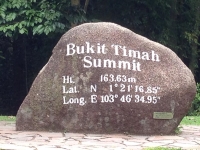
Bukit Timah Nature Reserve
Tucked just 12 kilometres from Singapore's bustling city centre, Bukit Timah Nature Reserve offers a rare and refreshing chance to step into a world of untouched rainforest. Spanning 163 hectares, the reserve shelters a rich variety of wildlife, including flying lemurs, long-tailed macaques, and an abundance of tropical plant life. Its well-maintained trails cater to all fitness levels, from easy-going walks to more challenging hikes that lead to the summit of Bukit Timah Hill, the highest point in Singapore. While the main path is popular, the quieter side trails often offer the most rewarding views. Early mornings are best for cooler temperatures, and visitors are advised to avoid the park during stormy weather for safety.
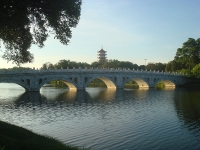
Chinese and Japanese Gardens
Nestled away from the city's bustle, Singapore's Chinese and Japanese Gardens offer a peaceful retreat rich in beauty and tradition. Spanning 13 hectares, the Chinese Garden features architecture inspired by the Imperial Sung Dynasty, complete with a grand 13-storey pagoda and one of the largest bonsai collections outside China. Just across the way, the Japanese Garden embraces the quiet elegance of Zen design, with serene rock gardens, graceful bridges, and restful pavilions. The contrast between the two is both striking and harmonious. Wildlife is plentiful, and while drinks are available, visitors are encouraged to bring a picnic and linger.
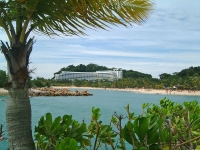
Sentosa Island
Sentosa Island is one of Singapore's most beloved destinations, drawing millions each year with its blend of nature, history and leisure. Easily reached by cable car, monorail, or causeway, the island offers sunny beaches, lush gardens and a wide range of attractions. Highlights include the historic Fort Siloso, now a national monument, and the newly expanded Singapore Oceanarium. Visitors can stroll through sensory gardens, explore Universal Studios' new Minion Land or simply unwind by the sea. With new hotels and waterfront spaces on the horizon, Sentosa continues to evolve while holding onto its unique island charm.
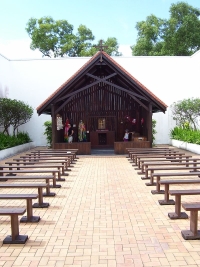
Changi Museum
During World War II, Changi Prison in Singapore held thousands of Allied prisoners of war who endured brutal conditions under Japanese captivity. The Japanese Occupation lasted three and a half years, leaving a deep and painful legacy. Today, the prison remains in use and is the site of executions for serious drug offenses. Nearby, the Changi Chapel and Museum honours those who suffered, with displays of letters, drawings and personal objects. A recreated mural by British POW Stanley Warren offers a quiet reflection of hope. Visitors are encouraged to take their time, with at least two hours recommended to explore fully.
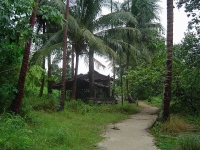
Pulau Ubin
Pulau Ubin, Singapore's second-largest offshore island, offers a peaceful escape from the city's fast pace. A short bumboat ride from Changi Point Ferry Terminal takes visitors to Ubin Village, where traditional Malay houses on stilts sit above sand and mangrove. The island, once a mining hub for granite, is now home to lush forests, tranquil lakes and pristine beaches. Visitors can explore by bike or hike along trails that wind through diverse ecosystems, including the Chek Jawa Wetlands. With only a few dozen residents left, Pulau Ubin retains a nostalgic charm, offering a glimpse into Singapore's past and a slower, simpler way of life.
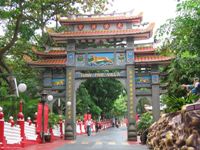
Haw Par Villa
Haw Par Villa lies along Pasir Panjang Road in Singapore, and is a surreal theme park filled with over a thousand statues and 150 dioramas inspired by Chinese mythology and folklore. Built in 1937 by the Aw brothers of Tiger Balm fame, the park blends the educational with the eccentric. Its most famous feature is the Ten Courts of Hell, a graphic exhibit best avoided by the faint-hearted. Elsewhere, mythical creatures and zodiac animals create a dreamlike setting. Though parts of the park show their age, its curious charm and vivid storytelling continue to fascinate visitors drawn to the unusual.

Singapore Discovery Centre
The Singapore Discovery Centre is a fun and engaging destination for families, offering a range of interactive exhibits that bring Singapore's past, present and future to life. Visitors can explore everything from immersive 4D experiences to hands-on activities such as military simulations and digital dance studios. The centre invites young minds to think about important topics such as national security, crisis management and entrepreneurship through playful yet educational exhibits. Families can also enjoy seasonal events, glamping experiences and local cuisine at the café. With something for everyone, it's the perfect spot for a day of learning and fun.
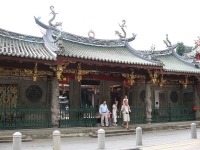
Thian Hock Keng Temple
Thian Hock Keng Temple, completed in 1842, is the oldest and most significant Hokkien temple in Singapore. Built without nails, it showcases traditional Southern Chinese architecture and was originally located near the waterfront, before land reclamation changed the area. Dedicated to Mazu, the Taoist goddess of the sea, the temple was a place of gratitude for safe journeys. Visitors can admire its detailed woodwork, tranquil courtyards and statues, and the pagoda behind the temple offers a peaceful spot to relax. Unlike busier attractions, the temple offers a calm, reflective space for those seeking a quieter, more contemplative experience.
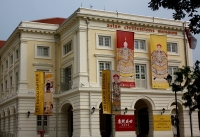
Asian Civilisations Museum
The Asian Civilisations Museum is a leading cultural destination, offering a comprehensive collection that spans 5,000 years of Asian history. Its exhibits cover Chinese, Islamic and South Indian cultures, showcasing artefacts such as jade, porcelain and fine arts. The museum's permanent and temporary exhibitions offer valuable insights into trade and cultural exchanges. Audio guides and free guided tours are available, with half-price tickets on Friday nights; a gift shop and a restaurant provide opportunities to relax after a visit. For a quieter experience, weekday mornings are the best time to explore the museum's offerings.
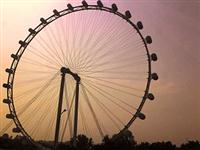
Singapore Flyer
The Singapore Flyer is one of the tallest Ferris wheels in the world, standing at 541 feet (165 meters), offering breath-taking views of the city's skyline. Visitors can spot landmarks such as Marina Bay, Raffles Place and Merlion Park, with clear skies extending views to the Indonesian islands of Batam and Bintan. By night, the city transforms into a sparkling light show. The Flyer's terminal also includes shops, restaurants and family-friendly attractions such as flight simulators. For a special experience, visitors can enjoy cocktails, a four-course meal or even hold their wedding while surrounded by the stunning city panorama.
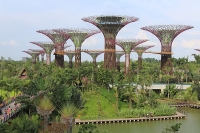
Gardens by the Bay
Gardens by the Bay lies in Singapore's Marina Bay area, and is a breath-taking urban oasis that aims to transform the city into a 'City in a Garden'. Its iconic Supertrees, reaching up to 50 meters, harness solar energy and manage rainwater, contributing to the Gardens' sustainability. Visitors can explore themed gardens filled with orchids and other exotic plants. The Cloud Forest, featuring the world's tallest indoor waterfall, is another highlight; the vast lawn hosts outdoor events, and the Gardens are home to numerous restaurants offering stunning views. A perfect blend of nature, technology and relaxation, it's a must-see in Singapore.
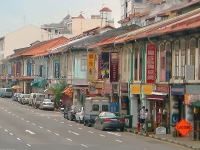
Geylang
Geylang offers a striking contrast to Singapore's more modernised neighbourhoods, with its lively atmosphere filled with neon-lit shop-houses, bustling street markets and karaoke bars. The Geylang Serai Market, a traditional wet market with fresh produce and hanging meats, adds to the area's old-world charm. At night, Geylang takes on a different character, becoming known for its gritty edge as Singapore's red-light district. It's a favourite among backpackers, thanks to its affordable accommodations, and a vibrant nightlife scene where visitors can enjoy a good time without breaking the bank.
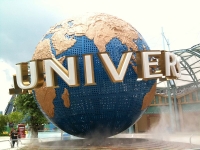
Universal Studios Singapore
Universal Studios Singapore, located on Sentosa Island, is a must-visit destination for families, offering a thrilling experience in seven distinct zones: Hollywood, New York, Ancient Egypt, Lost World, Madagascar, Far Far Away and Sci-Fi City. Popular rides include the Battlestar Galactica roller coasters, Revenge of the Mummy, and Jurassic Park Rapids Adventure, along with 3D theatres and live performances. The park also features numerous dining options, cafes and official merchandise. With high-tech attractions and immersive experiences, Universal Studios Singapore offers a fun-filled day for visitors of all ages, making it a standout entertainment hub on the island.
Things to do with kids in Singapore
Singapore is a fantastic city for a family holiday. It's compact, easy to get around, and full of exciting things to do with kids. Many of the city's most popular attractions are designed with families in mind, and there's something to delight children of all ages.
Known as a city of gardens, Singapore offers plenty of space for kids to roam and explore outdoors. For an unforgettable day out, travellers can visit the Singapore Zoological Gardens, where little ones can come face to face with animals such as Komodo dragons, polar bears and orangutans. Another must-visit is Bird Paradise at the Mandai Wildlife Reserve, a stunning new park where flocks of colourful birds soar through beautifully recreated habitats.
If travellers are after a slower pace, they can pack a picnic and head to the lush Singapore Botanical Gardens. There's loads of room for kids to run around and enjoy the fresh air. Bukit Timah Nature Reserve is another gem, with its leafy trails and tropical greenery.
While the old Singapore Crocodilarium has closed, young reptile lovers won't be disappointed. There are plenty of fascinating cold-blooded creatures to see at the zoo's reptile exhibits, including crocodiles and other rare species.
If the weather turns wet or too hot, there's lots to do indoors. While venues such as eXplorerkid may vary in availability, Singapore has plenty of indoor play spaces to choose from. Families can also spend the day at Universal Studios Singapore, where they'll find thrilling rides and family-friendly shows.
Singapore Zoo
The Singapore Zoo offers an extraordinary encounter with the animal kingdom, where more than 2,500 animals live in habitats carefully designed to reflect their natural environments, from dense rainforests to open savannahs. Through immersive exhibits, engaging animal presentations, and family-focused activities in KidzWorld, the zoo invites a deeper appreciation of the natural world. As evening falls, the experience continues at the Night Safari, the world's first nocturnal wildlife park. Visitors can explore softly lit trails or journey by tram through moonlit landscapes, observing nocturnal animals in their element. It's a rare and unforgettable glimpse into the rhythms of the wild.
Singapore Discovery Centre
The Singapore Discovery Centre is a fun and engaging destination for families, offering a range of interactive exhibits that bring Singapore's past, present and future to life. Visitors can explore everything from immersive 4D experiences to hands-on activities such as military simulations and digital dance studios. The centre invites young minds to think about important topics such as national security, crisis management and entrepreneurship through playful yet educational exhibits. Families can also enjoy seasonal events, glamping experiences and local cuisine at the café. With something for everyone, it's the perfect spot for a day of learning and fun.
Universal Studios Singapore
Universal Studios Singapore, located on Sentosa Island, is a must-visit destination for families, offering a thrilling experience in seven distinct zones: Hollywood, New York, Ancient Egypt, Lost World, Madagascar, Far Far Away and Sci-Fi City. Popular rides include the Battlestar Galactica roller coasters, Revenge of the Mummy, and Jurassic Park Rapids Adventure, along with 3D theatres and live performances. The park also features numerous dining options, cafes and official merchandise. With high-tech attractions and immersive experiences, Universal Studios Singapore offers a fun-filled day for visitors of all ages, making it a standout entertainment hub on the island.
Eating Out
Singapore's culinary landscape is a rich tapestry of Malay, Chinese, Indian, Indonesian, and British influences, offering a diverse and flavourful experience. Signature dishes such as fish head curry, Mee Goreng, laksa, popiah, and satay reflect the city's vibrant food heritage. Seafood also features prominently, with prawns, crabs and oysters appearing on many menus.
At the heart of local dining are hawker centres, which are lively, open-air food halls known for their quality, variety and affordability. It's customary to secure a table before ordering; many vendors will deliver dishes directly to guests.
For a quick bite, traditional pastries, savoury snacks and the classic kaya toast breakfast are popular takeaway options. More refined dining is equally well represented, with an array of restaurants offering global cuisine and fresh seafood in stylish settings.
Shopping
In Singapore, shopping feels like a national pastime, especially during the Great Singapore Sale (May to July), when the whole island offers irresistible discounts. Orchard Road is the heart of it all, and is lined with malls filled with fashion, electronics, beauty, and more. Late-night shopping on Saturdays keeps the buzz going till 11pm.
While Singapore doesn't produce many local goods, visitors will find lovely cultural treasures: Chinese fans and seals in Chinatown, vibrant fabrics in Little India, and Peranakan art in Katong. For fresh produce and spices, visitors shouldn't miss the lively (if aromatic) wet markets.
Low import taxes mean there are good deals, especially on electronics, though shoppers should do their homework first. Most shops are honest, with strong consumer protection laws and little risk of counterfeit goods. Stores generally open from 9am to 10pm, though some tech malls such as Funan may start a bit later.
Nightlife
Singapore's nightlife is as diverse as the city itself, and is buzzing with energy, colour and culture. Whether visitors are in the mood for a Broadway-style show, live jazz, or dancing 'til dawn, there's something for every kind of night owl.
Visitors can head to one of the city's lively nightlife districts, where bars, lounges, clubs, and karaoke spots light up the evening. From beachside cocktails to chic rooftop views, the vibe ranges from laid-back to full-throttle. Music lovers will find everything from house and hip hop to live acoustic sets and international DJs.
The city is safe and easy to navigate after dark, even for solo travellers. Most venues stay open until 2am on weekdays and 4am on weekends. Taxis are easy to find, though fares rise after midnight. Travellers should note that drinking here can be pricey due to high alcohol taxes, so they should sip smart.
Getting Around
Hiring a car in Singapore is expensive, but the city's excellent public transport makes it easy to get around. The MRT and bus network is extensive, reliable and affordable, with reusable EZ-Link cards offering small discounts and cashless convenience. Metered taxis are widely available, clean, and reasonably priced, though queues can be long during peak hours. Ride-hailing apps such as Grab and Gojek offer a flexible alternative, especially late at night. For short getaways, ferries serve nearby islands, while Sentosa is accessible by monorail or cable car. Bike-sharing schemes and car-sharing services are also available, though less commonly used by visitors. Many of the city's key attractions are within walking distance of each other, and streets are safe, clean and well-signed. With so many easy, efficient options, there's little need to rent a car. Getting around in Singapore is straightforward, affordable and often part of the adventure.
Singapore Climate and Weather
Singapore enjoys a tropical climate, which means it's warm and humid year-round, with little variation in temperature. Travellers should expect sunshine, sudden downpours, and lush greenery no matter when they visit. The wettest months are typically from November to January, and the western part of the island tends to receive more rain than the east.
Daytime temperatures hover between 74°F (23°C) and 89°F (32°C), dipping slightly at night. April and May are usually the hottest months, while humidity stays consistently high, and is often above 75 percent. Thankfully, air-conditioning in most buildings offers a cool escape, though it can be chilly indoors; packing a light sweater isn't a bad idea.
From June to September, occasional haze from forest fires in Indonesia may affect air quality. While there's no definitive 'best' time to visit, many find the weather most pleasant between June and August.
Singapore travel info
Electricity
Electricity runs at 230 volts and 50Hz, using three-pin, square-shaped plugs.
Language
Singapore’s official languages are English, Mandarin, Malay and Tamil, though an informal local patois known as Singlish, which blends English with Chinese, Malay and Tamil influences, is also widely spoken.
Money
Singapore's currency is the Singapore Dollar (SGD), which is divided into 100 cents. Foreign currencies such as US Dollars, Yen or Pounds are generally not accepted, except at duty-free shops or select tourist areas, meaning it's best to carry local currency. Major credit cards are widely accepted in hotels, restaurants, and shops; ATMs are easily found throughout the city and offer convenient cash withdrawals. Digital wallets such as Apple Pay and Google Pay offer a seamless, contactless way to pay throughout the city. Banks operate on weekdays and some open for limited hours on Saturdays, though not all provide currency exchange services on weekends.
Tipping
Tipping isn't customary as most hotels and restaurants already include a 10 percent service charge in the bill. However, tips are always appreciated for exceptional service.
Health
Singapore is a vibrant and safe destination, offering top-notch healthcare and minimal health risks. Travellers from yellow fever-endemic countries will need to provide proof of vaccination. While no other vaccinations are mandatory, hepatitis A and B are recommended, particularly for those planning to try local food or interact with the community. Japanese encephalitis is only a concern for those staying in rural areas for extended periods. Mosquito-borne illnesses such as dengue and chikungunya are rare but can be avoided with repellent and long sleeves. Visitors should absolutely dive into Singapore's amazing food scene but stick to reputable spots to avoid the risk of undercooked seafood. While healthcare in Singapore is excellent, it can be pricey, so travel insurance is a smart choice. And, to be safe, it's a good idea to bring any essential medications along with a doctor's note.
Safety
Singapore is widely recognised as one of the safest travel destinations globally. While petty theft can occasionally happen, it's a rare occurrence, and the city's cleanliness and order are unparalleled. The Singaporean government is committed to ensuring a safe environment for both locals and visitors, with security measures continually updated to provide peace of mind for everyone.
Local customs
Singapore is a city where tradition and harmony are deeply valued. Politeness goes a long way, so simple greetings and a respectful tone are always appreciated. Visitors should use titles such as 'Mr' or 'Ms' with surnames, especially when meeting someone new. The city is famously clean, meaning visitors should dispose of litter properly and avoid eating or drinking on buses or MRT trains. It's best to remove shoes when entering homes, temples or some shops as a sign of respect. Chinese Singaporean names usually list the family name first; visitors shouldn't hesitate to ask if unsure. Public behaviour is generally reserved, so conversations and displays of affection should be discreet.
Doing business
Business in Singapore is conducted with formality and respect. Professional attire, such as suits, shows seriousness and intent; being punctual or even early is appreciated, and meetings are best scheduled at least two weeks in advance. Exchanging business cards is a valued ritual. Visitors should offer and receive them with both hands, paired with a nod and eye contact. They should also take a moment to appreciate the card, and avoid writing on or mishandling it. A firm, respectful handshake (about 10 seconds) is common for all. Visitors should use professional titles and surnames, and feel free to ask about preferred forms of address. Business hours run 9am to 5pm, Monday to Friday.
Duty free
Travellers aged 18 and above may bring in up to one litre each of wine, spirits, and beer duty-free, unless arriving from Malaysia, in which case duty-free concessions do not apply. Chewing gum and tobacco products must be declared upon arrival. The trafficking of illegal drugs is strictly prohibited and carries the death penalty under Singapore law. Meat and meat products, as well as firearms and explosives, are not permitted without the appropriate permits.
Communications
The international access code for Singapore is +65. Singapore offers fast, reliable internet and is one of the most digitally connected cities in the world.
Passport & Visa
Visitors should ensure their passport is valid for at least six months from arrival. Most receive a free 14- or 30-day Social Visit Pass on arrival for tourism or business; extensions cost SGD40. Proof of onward travel and sufficient funds are required. While not mandatory, male travellers with long hair may want to tie it back for a neat appearance. Pregnant travellers face no restrictions, but those in their third trimester should carry medical documents. Entry is at the discretion of immigration officers, so travellers should always check official guidelines before travelling.
Entry requirements
United States passport holders do not require a visa for stays of up to 90 days. Passports must be valid for six months beyond the date of departure.
British passport must be valid for at least six months beyond the date of departure. British travellers can visit without a visa for tourism or business. The period of stay permitted is at the discretion of the immigration officer, and is normally between 14 and 30 days for British citizens.
Canadian passport holders do not require visas for a stay of up to 30 days. Passports should be valid for six months beyond the date of departure.
Australian passport holders do not require a visa for stays of up to 90 days. Passports should valid for six months beyond the date of departure. Australian citizens with an APEC business travel card endorsed for travel in Singapore may stay up to 60 days.
South African passport holders do not require a visa for stays of up to 30 days. Passports should be valid for six months beyond the date of departure.
Irish passport holders do not require a visa for stays of up to 90 days. Passports should be valid for six months after the date of departure.
New Zealand passport holders do not require a visa for stays of up to 90 days. Passports should valid for six months beyond the date of departure. New Zealand citizens with an APEC business travel card endorsed for travel in Singapore may stay up to 60 days.
Useful contacts
Singapore Visitor Centre, Singapore: +65 6736 2000 or www.visitsingapore.com/travel-guide-tips/getting-around/tourism-centre/
Emergencies: 999 (Police); 995 (Ambulance and Fire).