


South Coast Travel Guide
The south of Jamaica is the most unspoilt part of this lovely Caribbean island; here many say the true heart of the nation still beats, relatively untouched by the tourism boom evident on the rest of the island and the resort development which, for some, scars the Jamaican paradise.
The centre of the region is the breezy hill town of Mandeville, founded in 1816 and lying 2,000 feet (610m) above sea level. The British colonial influence is strong here, from the village green bordered by a church and courthouse to the Manchester Club, which is home to Jamaica's oldest golf course (founded in 1868). Negril is technically also in the south coast region, but as a booming resort town it has a different atmosphere to the rest of the south.
The surrounding area, and the south coast region, has numerous natural attractions and wildlife refuges. With its natural beauty and slow pace, Jamaica's south is sought after by more discerning visitors intent on secluded relaxation and an experience of Jamaican culture and nature rather than the glitz and glamour of a resort holiday on the Caribbean island. The south coast is the best region for travelling off the beaten track in Jamaica, and the sleepy fishing villages and pristine beaches still feel pleasantly undiscovered and uncommercialised.
Things to do in South Coast
The south coast of Jamaica is more rustic, rural and unspoilt than the other top travel destinations on the island. It is less developed and commercial, and the region's natural attractions and sleepy villages have remained charmingly authentic. You will struggle to find glitzy resort attractions like spas, private beaches and glamorous restaurants, but the attractions of the south coast will delight those who prefer to explore off the beaten track.
The south of Jamaica boasts a trinity of best-known attractions. Tours of Appleton Rum Estate, considered by many to produce the best rum in the world, attract visitors from all over the island. Wildlife safaris on the Black River and into the Great Morass are very popular. Finally, the award-winning YS Falls attraction is a big draw for those who enjoy hiking, tubing, swimming or zip-line tours over pristine waterfalls and pools. These three top attractions are often combined in package tours of the region.
Exciting outdoor activities that draw visitors to the south include swimming with dolphins, 4x4 off-road safaris, bamboo river rafting tours, and catamaran cruises. Alligator Pond is an interesting fishing village where travellers can witness the daily routines of locals, enjoy great scuba diving and snorkelling, and indulge in some nude sunbathing. The south also boasts two Jamaican Great Houses: Marshall's Pen is an 18th-century Great House and wildlife sanctuary; and Invercauld Great House, built in 1894, is a popular attraction in Black River.
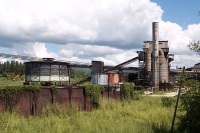
Appleton Rum Estate
Nestling in the sugar cane fields of St Elizabeth parish, the Appleton Rum Estate near the village of Magotty offers visitors the chance to find out all there is to know about the production of rum. There is a small museum with equipment and artifacts from days gone by, and a resident donkey to demonstrate how sugar cane used to be crushed by turning the teeth of the mill.
Visitors are shown how the sugar cane is harvested, processed to be distilled in handmade oak barrels, and finally blended and bottled. Thirsty tourists can end off their visit at the tavern to sample the estate's rums and liqueurs. Tours also usually include a complimentary bottle of rum. The guides are friendly and extremely proud of their product.
Note that the roads to the estate are rather hair-raising, although they wind through some lovely scenery. Photos are not allowed at certain stages of the tour because Appletons wants to preserve some of its secrets!
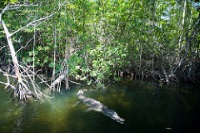
Black River
Black River town, once an influential producer of black textile dye, is now a stop off point for tourists looking to take a boat safari on the Black River itself. At 44 miles (71km), this is Jamaica's longest river, and gets its name from the peat moss on the river floor which makes the crystal clear waters appear black.
90-minute boat tours take in the 125-square-mile (324 sq km) area of wetland known as the Great Morass, which is home to crocodiles and diverse birdlife. The excursion allows visitors to explore the wetlands and mangrove swamps along the river banks.
The crocodiles are the main attraction for most visitors. Many tours include a visit to the crocodile rehabilitation centre. However, the clear waters mean visitors are likely to get a good view of the crocs in their natural habitat.
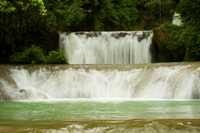
YS Falls
Trips to YS Falls are usually included in organised Black River tours, but the falls are an attraction in their own right and many happy hours can be spent enjoying the pools and lovely scenery. Located on a privately-owned farm, the waterfall is beautiful, with the water flowing over seven tiers to create a spectacular cascade surrounded by jungle and meadow scenery.
Visitors to the falls can go on a relaxing 20-minute tube ride down the river, or float in a lovely natural spring pool. For the more adventurous, there is a thrilling rope swing which propels visitors over one of the deep turquoise pools, and an exciting zip-line tour.
There are plenty of scenic picnic areas and it's ideal to bring some food and spend some time relaxing at the falls. Try to get there early, as the falls are more pleasant when they aren't crowded.
Jamaica travel info
Electricity
Electrical current is 110 volts, 50Hz. Flat two- and three-pin plugs are in use.
Language
The official language of Jamaica is English but a local patois is also spoken, which is a mixture of English, Spanish, and various African languages.
Money
The Jamaican dollar (JMD) is the local currency and is divided into 100 cents. The island is well supplied with ATMs, banks and bureaux de change, with banking hours usually running Monday to Thursday from 9am to 2pm, and Friday from 9am to 4pm. Cambio exchange offices are found throughout the country and often offer better exchange rates than banks, as do exchange bureaux at the airports and hotels. Travellers should retain receipts as proof of legal currency exchange. Major credit cards are widely accepted; cash is best taken in US dollars.
Tipping
Outside the all-inclusive resorts in Jamaica where tips are part of the package, visitors should tip 10 to 15 percent for taxis, personal services, room service and restaurants where a service charge is not already included in the bill. Parking attendants, bellboys and porters also expect a small tip.
Health
While generally safe, the tap water can cause stomach upsets and visitors are advised to drink bottled water. Mosquito-borne diseases, such as Zika, dengue fever and chikungunya have been confirmed. Private medical facilities are of a reasonable standard but can vary throughout the island, with facilities limited outside Kingston and Montego Bay. Medical treatment can be expensive so travel insurance is advised. If visitors require prescription medication, it's best to bring it with them, along with a signed and dated letter from their doctor naming the medication and explaining why they need it.
Safety
There are incidents of petty crime such as robbery, particularly in the capital city of Kingston and in Montego Bay. Tourists are advised to be cautious and take care of their belongings. It's best to avoid using buses at night and also to steer clear of any public demonstrations that may occur. Hurricane season runs from June to November. While it is rare for tropical storms to make landfall in Jamaica, visitors travelling at this time should monitor local and international weather updates for peace of mind.
Local customs
Contrary to popular belief, smoking marijuana is illegal in Jamaica. Homosexuality is also prohibited by law and the country is notorious for its intolerance towards it.
Doing business
Business in Jamaica is surprisingly formal, with proper titles used and suits and ties the norm despite the tropical climate. Introductions are usually made with a handshake and an exchange of business cards. Punctuality is key, and socialising is an important aspect of the business meeting. Business hours are usually from 8:30am to 4:30pm or 5pm on weekdays.
Duty free
Travellers to Jamaica over 18 years do not have to pay duty on 200 cigarettes or 50 cigars or 230g of other tobacco products; 1L alcoholic beverages and wine; and perfume up to 170ml. Prohibited items include products made from goatskin (e.g. drums, handbags and rugs).
Communications
The international access code for Jamaica is +1, in common with the US, Canada and most of the Caribbean, followed by 876. WiFi is available in the main towns, restaurants and resorts; travellers can purchase local prepaid SIM cards for unlocked phones.
Passport & Visa
All foreign visitors to Jamaica must hold proof of sufficient funds to cover their expenses while in the country, return or onward tickets, and the necessary travel documentation for their next destination. A yellow fever vaccination certificate is required to enter Jamaica if visitors are arriving from or have transited through an infected area. It is highly recommended that travellers' passports have at least six months' validity remaining after the intended date of departure from their travel destination. Immigration officials often apply different rules to those stated by travel agents and official sources.
Entry requirements
US citizens must have a passport to enter Jamaica that has to be valid upon their return to the USA. A visa is required for stays of over 90 days.
UK citizens must have a passport to enter Jamaica that is valid for the duration of their stay. No visa is required for stays of up to 90 days, with possible extensions up to six months granted on arrival.
Canadian citizens require a passport valid for period of intended stay. No visa is required for stays of fewer than 90 days.
Australian citizens must have a passport that is valid for the period of intended stay in Jamaica. No visa is required for stays of up to 90 days, with possible extensions granted by immigration.
South African citizens must have a passport that is valid for the period of intended stay in Jamaica. No visa is required for tourism for stays of up to six months.
Irish citizens must have a passport that is valid for the period of intended stay in Jamaica. No visa is required for stays of up to 90 days, with longer stays subject to immigration approval.
New Zealand citizens must have a passport that is valid for the period of intended stay in Jamaica. No visa is required for stays of up to six months.
Useful contacts
www.visitjamaica.com
119 (Police); 110 (Ambulance, Fire)