


Tel Aviv Travel Guide
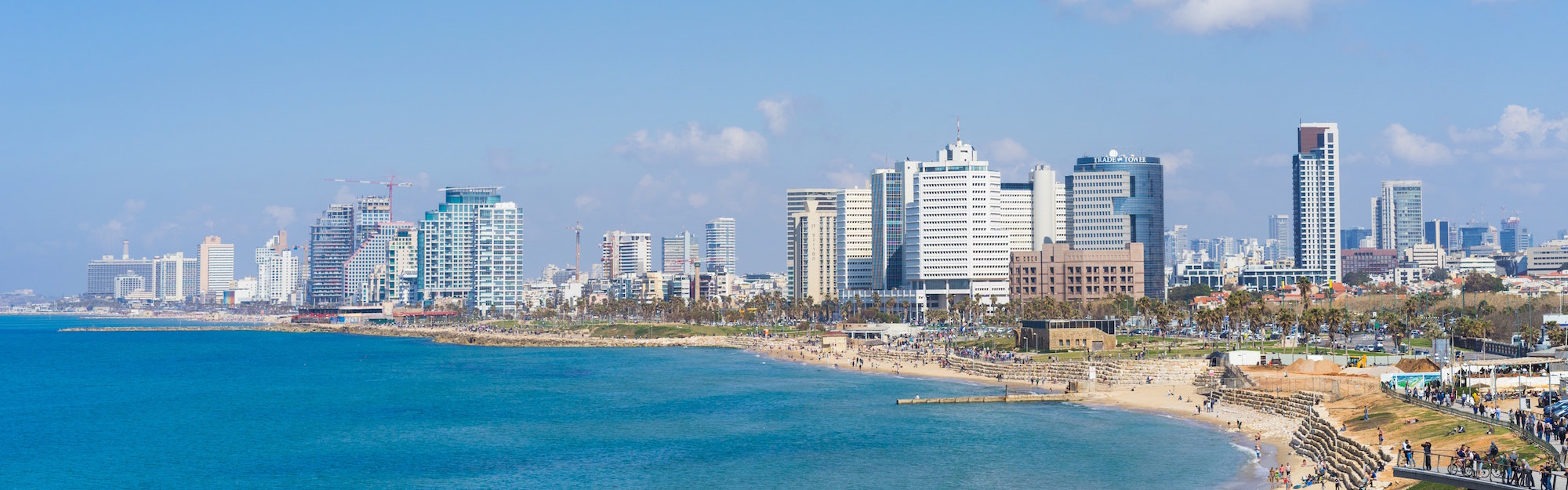
Tel Aviv is a vibrant modern city that is best known for its sun-drenched beaches, pumping nightclubs, designer shopping, crowded street markets and high culture. What it lacks in antiquities, Tel Aviv makes up for in commerce. One third of Israel's population has made this bustling metropolis home.
Over weekends, residents from nearby towns head to Tel Aviv looking for entertainment and relaxation, and city folk spill out onto the city's beaches to soak up the Mediterranean sun. The diversity of the population is reflected in the architectural variations and influences, such as the Yemenite Quarter and the Vodka cafes of Allenby Street. Tel Aviv also provides an ideal base from which to explore other parts of Israel, including Jaffa, the Galilee area and Caesarea.
Visitors can go rock-climbing, browse street markets, dine on seafood in the Old Port, party the night away, sunbathe on the beach or tour a top museum. These are just some of the diversions available on a holiday in Tel Aviv, which, like New York, is a 'city that never sleeps'. Tel Aviv is the hip and happening commercial centre of Israel. A holiday in Tel Aviv is great for families looking for fun in the sun, shopaholics who lust for its many malls and markets, and young travellers who revel in the nightlife and young vibe of the city.
Things to do in Tel Aviv
Tel Aviv is known for its lovely Mediterranean beaches, hip nightlife and colourful markets. The city does have an impressive arts and culture scene too, and some of its most rewarding and popular attractions are museums. Using Tel Aviv as a base, visitors also have some wonderful destinations on their doorstep. The gorgeous holiday resort of Eilat on the Red Sea is great for scuba diving and snorkelling. The ancient port city of Jaffa, and the magical Underwater Observatory Marine Park are also worthwhile.
Museum lovers are unlikely to run out of things to see and do in Tel Aviv. Three of the city's best museums are the Tel Aviv Museum of Art, an absolute must-see for art fanatics, the Museum of the Jewish Diaspora (Beit Hatfutsot), which tracks the history of the Jewish people all over the world, and the Eretz Israel Museum, which is a kind of exhibition park with several different pavilions housing their own distinct collections. Theatre lovers should attend a show at the Nalagaat Centre, which is renowned for its performances and atmosphere.
For those keen to enjoy sun and sea, Tel Aviv's beaches won't disappoint. Some favourites with tourists are Hilton Beach and Gordon Beach. For those travelling in Tel Aviv with kids, Givat Aliya Beach is wonderful. The old Tel Aviv port area is becoming increasingly popular with tourists, combining the industry of the harbour with cultural attractions and some good bars and restaurants.
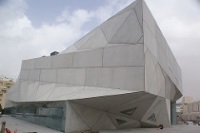
Tel Aviv Museum of Art
The Tel Aviv Museum of Art has hosted the country's leading exhibition of modern art since its inception in 1932. It also has one of the best collections of Israeli art in the world. Art lovers will enjoy the museum's permanent collection of European and American art, which features prominent Impressionist and Post-Impressionist paintings by Chagall, Dali, Cezanne, Vincent van Gogh, Jackson Pollock, and Monet, among others. Regarding the scope of its inventory, the museum showcases many mediums, including paint, sculpture, print, photography, film, design and architecture.
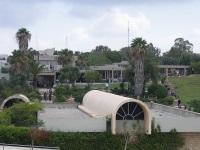
Eretz Israel Museum (The Land of Israel Museum)
The Eretz Israel Museum's unique layout and character make it more like a park than a standalone establishment. It is clustered around the ancient mound of the Tel Kasile, where ongoing archaeological excavations are in progress. The museum consists of various pavilions, each displaying different cultural artefacts and collections. Visitors can purchase a map to help them navigate through this fascinating campus, which covers 3,000 years of history, culture and art relating to Israel. The permanent exhibits include displays on ethnography and folklore, ceramics, copper, coins, crafts, agriculture, domestic life, and many aspects of social and political history.
Museum of the Jewish Diaspora (Beit Hatfutsot)
The museum conveys the Jewish people's story, beginning with their expulsion from Israel at Roman hands, and leading to their return. Multi-storey displays and exhibitions show a diverse range of Jewish communities, and the common cultural and religious links that have bound them. Visitors can engage with murals, reconstructions, dioramas, audio-visual displays, documentary films and interactive multimedia, and the Jewish Music Centre has thousands of recordings of Jewish music. Visitors will find traditional fare, music of communities that didn't survive the Holocaust, as well as works by Jewish composers.
Jaffa
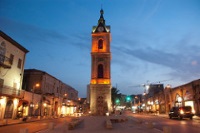
The historical port city of Jaffa is within walking distance of Tel Aviv. Its inhabitants have included notable biblical figures, and its name is said to come from Japhet, who was Noah's son. Archaeological finds show that Jaffa existed as a port city thousands of years ago, serving both Egyptian and Phoenician sailors on their sea voyages. The Ottoman Clock Tower is a prominent landmark and meeting point, and marks the Old Town's entrance, but the area's main draw is its ancient and magical atmosphere.
Eilat
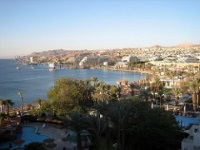
Eilat is a popular holiday resort located at the northern tip of the Red Sea, where temperatures seldom drop below a wonderfully warm 70F (21C). Many travellers visit Eilat to enjoy fantastic diving and snorkelling opportunities in the Red Sea: one of the world's most magnificent marine preserves. Brightly coloured coral fish, moray eels and even manta rays can be seen, while landlubbers will enjoy lazing on the beautiful beach and splashing in the shallows. Swimming with bottlenose dolphins in their natural environment is one of the resort's more popular activities.
The Underwater Observatory Marine Park
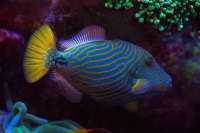
The Underwater Observatory Marine Park lies just south of Eilat and is conveniently close to Tel Aviv. Visitors can view a fantastic range marine life in its gigantic, seawater aquarium. Animals such as eels, sharks, turtles and stingrays are part of the population, while the rare-fish aquarium is home to some exquisite (and poisonous) species. The Red Sea is renowned for its colourful reefs and rich marine life, and the Marine Park's unique Underwater Observatories allow visitors to really immerse themselves in this underwater world. Visitors can also look forward to daily feedings, with shark feedings typically drawing the most attention.

Carmel Market
The Carmel Market (Shuk Ha'Carmel) will enthral all visitors to Tel Aviv with its bustling atmosphere and fine selection of goods and produce. It's located on the 'trendy side' of town (just off Allenby Street), and is essentially a long alley, jam-packed with shoppers and vendors loudly advertising their wares. Although shoppers can buy almost anything at the Carmel Market and usually at better prices than elsewhere in the city, the real attraction is its mouth-watering array of fresh produce. Visitors can shop for the freshest fruit and vegetables, cheeses and baked goods, while soaking up the typically Middle Eastern market atmosphere.
Beaches
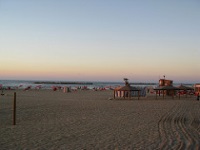
Tel Aviv is blessed with almost year-round sunny weather and warm sea temperatures. Its coastline is divided into about ten beaches, all of which have their own appeal. Hilton Beach is best for swimming, while Gordon Beach is popular with tourists and has some good bars and cafes. Backpackers and bohemian types tend to enjoy Drum Beach (where there are frequent evening drumming sessions), and gay travellers will feel especially at home at Atzmaut Beach. Hilton Beach South has some terrific waves for surfers; Givat Aliya Beach's calm waters, shallow ocean pool and children's playground make it a great stop for kids.
Shopping
Tel Aviv undoubtedly offers the best shopping options for tourists in Israel, whether the hunt revolves around speciality items, high fashion, or some authentic Israeli souvenirs.
There are three main types of shopping experience to be had in Tel Aviv, with the most memorable of them being a visit to the city's wonderful, colourful marketplaces (shuks). These open-air markets bustle from dawn to dusk and, over and above the exciting things to buy from their noisy vendors, are tourist attractions in themselves, giving visitors a real taste of the Middle East. The biggest and busiest market is the Carmel Market (near Allenby Street), but the Flea Market (Rabi Nachman Street) is a great place for antique-hunters, and the Levinsky Market (on Levinsky Street) is the place to go for dried foods and spices.
Tel Aviv also has a fast-growing shopping mall culture, where shoppers are likely to find international brands. The biggest and best shopping malls in Tel Aviv include Azrieli, the Dizengoff Centre and Gan Ha'ir, all located near the city centre.
Tel Aviv also has a few remaining speciality shopping streets. For those seeking fashion deals, Dizengoff Street is a must. Visitors will find arts, crafts, jewellery and Judaica products on Gordon Street.
Nightlife
Tel Aviv is the irrepressible social hub of Israel and has a great selection of bars, clubs and pubs with enough loud music, dancing and merriment to keep any party person happy. The saying in Israel goes 'Haifa works, Jerusalem prays, Tel Aviv plays', and this should give visitors some idea of what they're in for.
During the summer months, many visitors kick things off with sundowners at one of the many beach bars, such as the popular Jerusalem Beach or Banana Beach. The nightlife in Tel Aviv doesn't usually get going until around 11pm, so it's best to ease into the swing of things by going out for dinner before hitting the bars and clubs. Even on Friday nights during Shabbat, the locals go wild, while Thursday nights are another big night out in Tel Aviv.
Clubs and bars are constantly changing, but the main areas stay the same. Allenby Street is a good place to start, with more than 20 clubs centred round the small area, offering house, disco, funk and techno music. The Tel Aviv port and Rotschild Blvd areas are popular too; while those looking for a gay scene should head to the trendy Florentin district.
Visitors should expect traffic jams at 2am, as this city never sleeps and is capable of keeping them up way past dawn.
Getting Around
The easiest way to get around Tel Aviv is on foot or by taxi. Taxi mini-buses (sheruts) follow the same routes as the public buses, often with more frequency, and are slightly cheaper on weekdays. The bus system itself is extensive with a fixed fare in the city centre. Taxicabs are not of any particular make or model car, but do have rooftop signs and are plentiful. Fares are metered and more expensive at night. Ride sharing for a fee is illegal in Israel. Uber does operate in the country but only as a service for ordering taxis. Gett, Raxi and Yango provide the same type of service.
Tel Aviv Climate and Weather
Tel Aviv's climate is dry-summer, subtropical, with hot summers and mild winters. Although it is close to Jerusalem, Tel Aviv has quite a different climate, as it's not as highly elevated, making it hotter and more humid. The average summer temperature in Tel Aviv is 77F (25C), and the average winter temperature is 57F (14C).
November to April is the wet season, and humidity tends to be high year round. In winter rainfall comes in the form of heavy showers and thunderstorms; snow is extremely rare in Tel Aviv. Although summer is the hottest season, Tel Aviv can experience severe heat waves in spring. The city gets plenty of sun, even in winter. July and August are the busiest tourist months in Tel Aviv. October is when Israelis tend to take vacations, so at this time prices will also go up and finding accommodation may be more difficult. The best time to visit Tel Aviv is in March and April or September.
Israel travel info
Electricity
230 volts, 50Hz; European-style two-pin and round three-pin plugs are used.
Language
Hebrew is the official language of Israel. Arabic was an official language until 2018, when it was downgraded to having a 'special status in the state'. Most of the population also speaks English.
Money
Israel's currency is the Israeli Shekel (ILS), which is divided into 100 agorot (singular is agora). Money can be changed in the small exchange bureaux found on most main streets, or at banks and hotels. ATMs are prevalent throughout the country. Most banks are open Sunday through to Friday until noon, and are open again from 4pm till 6pm on Sundays, Tuesdays and Thursdays. Major credit cards are widely accepted.
Tipping
Tipping is expected according to the level of service, unless a service charge is added to the bill. Around 10 to 15 percent is customary.
Health
There are no special health precautions required for travel to Israel, but insect protection from August to November is recommended due to the prevalence of the West Nile virus, which is transmitted by mosquitoes. A hepatitis A vaccine is sometimes recommended by doctors, as is a tetanus vaccine and an MMR (measles, mumps, rubella) vaccination for those who haven't already had it.
Medical facilities in Israel are excellent but treatment can be very expensive, so it is essential that travellers take out full travel health insurance. It should be possible to get all necessary medications in the cities but it is always advised that travellers who need certain medications take them on their travels, along with the prescription and a letter from their doctor.
Safety
Travellers in Israel should maintain a high level of vigilance and keep up to date with developments. The risk of terrorist attacks remains high and travellers to the region, including Jerusalem, need to exercise caution, particularly around locations specifically targeted by attacks in the past such as bars, nightclubs, markets and buses. Suicide bombers and other militants have targeted crowded public areas, resulting in hundreds of deaths and injuries over the years. Although foreigners have not been specific targets, many have been caught up in the attacks because they visited famous landmarks and religious sites.
All travel to the Gaza Strip and the West Bank, and the eastern border with Syria should be avoided. Foreign nationals face an ongoing threat of kidnapping in the Gaza Strip and West Bank. The frequent outbreaks of violence in these areas makes them extremely dangerous, even if tourists are not directly targeted.
Street crime is rare in Israel, though, and generally only a problem in 'bad' areas. The mugging of foreigners is unusual but pick-pocketing is not unheard of in busy market areas, so visitors should take normal precautions against this kind of crime.
Local customs
Israel is a largely religious society and religious customs should be respected. Indecent behaviour is not tolerated and offenders will be arrested and fined heavily or imprisoned. Care should be taken not to photograph any military or police personnel or installations, and visitors should be discreet about taking photographs in Jewish Orthodox areas and of Jewish Orthodox people. It is advisable to carry official identification at all times, and to dress modestly.
Doing business
The majority of business in Israel is centred in Tel Aviv. Dress tends to be less formal than in the US and Europe, but as business people tend to wear suits for important meetings or presentations, formal attire is recommended. Women should dress more conservatively, especially in strictly religious areas.
Business cards are usually exchanged, though with little formality involved. Meetings often do not begin promptly and much time can be given to socialising. Business hours are usually from 8:30am to 5pm, from Sunday to Thursday, and on Friday mornings. Sundays are regarded as a normal business day.
Duty free
Travellers to Israel do not have to pay duty on 200 cigarettes or 250g of other tobacco products; 2 litres wine and 1 litre of other types of alcoholic beverages; 250ml of eau de cologne or perfume; and gifts to the value of US$200. Prohibited items include fresh meat and fresh fruit (especially from Africa).
Communications
The international access code for Israel is +972. The outgoing code is 00 (not from public phones) followed by the relevant country code (e.g. 0044 for the United Kingdom). Hotels, cafes and restaurants offering free WiFi are widely available. As international roaming costs can be high, purchasing a local prepaid SIM card can be a cheaper option.
Passport & Visa
All foreign passengers to Israel must hold proof of sufficient funds to cover their stay in the country. Visitors should also hold return or onward tickets, and the necessary travel documentation for their next destination.
Passengers intending to proceed from Israel to Arab countries other than Egypt, Jordan or the United Arab Emirates should ensure that their passport does not contain an Israeli visa or stamps, since no passenger is allowed to enter other Arab countries with such passports.
Travellers may enter Jordan directly from occupied territory, but must hold a visa for Jordan (to be obtained from a representation of Jordan abroad), otherwise entry will be refused. The Jordanian authorities will not permit re-cross to occupied territory. Travellers may also enter occupied territory directly from Jordan. The Israeli authorities will permit a re-cross to Jordanian territory.
It is highly recommended that travellers' passports have at least six months' validity remaining after the intended date of departure from their travel destination. Immigration officials often apply different rules to those stated by travel agents and official sources.
Entry requirements
US citizens must have a passport that is valid for at least six months beyond the period of intended stay in Israel. No visa is required for stays of up to three months.
UK citizens must have a passport that is valid for at least six months beyond the period of intended stay in Israel. No visa is required for stays of up to three months.
Canadian citizens must have a passport that is valid for at least six months beyond the period of intended stay in Israel. No visa is required for stays of up to three months.
Australian citizens must have a passport that is valid for at least six months beyond the period of intended stay in Israel. No visa is required for stays of up to three months.
South African citizens must have a passport that is valid for at least six months beyond the period of intended stay in Israel. A visa is required for stays of up to three months.
Irish citizens must have a passport that is valid for at least six months beyond the period of intended stay in Israel. No visa is required for stays of up to three months.
New Zealand citizens must have a passport that is valid for at least six months beyond the period of intended stay in Israel. No visa is required for stays of up to three months.
Useful contacts
Israeli Tourist Office: www.goisrael.com
100 (Police); 101 (Ambulance)