


Wellington Travel Guide
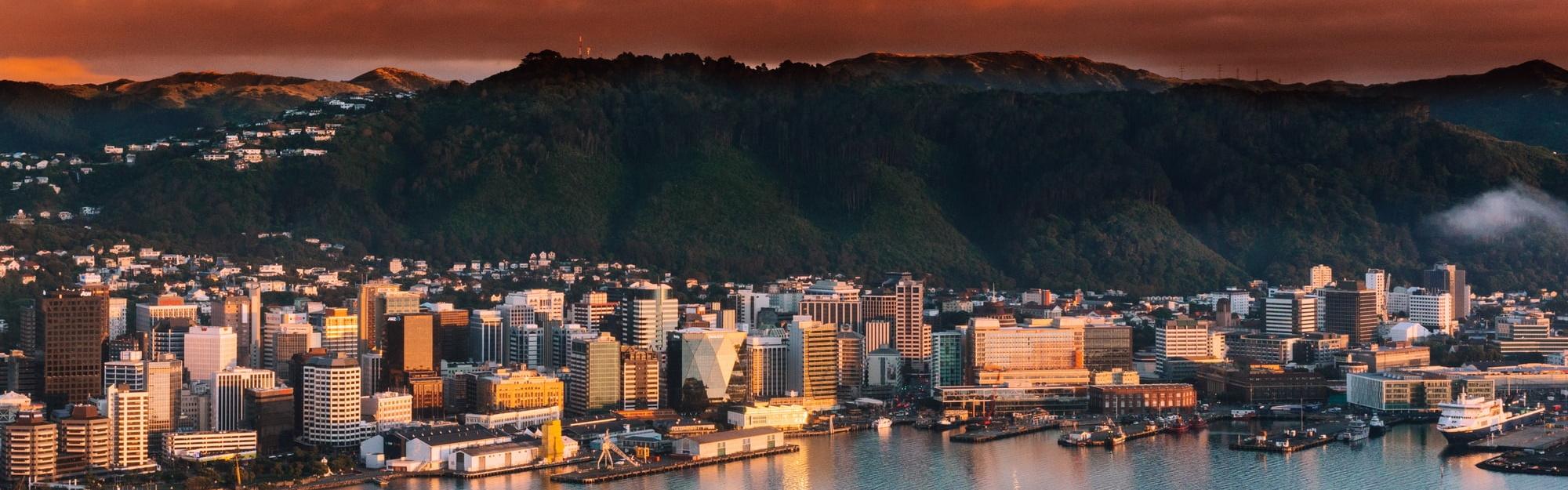
Located on the southern tip of the North Island, Wellington is the lovely capital of New Zealand and the country's second-largest city. It lies on a splendid harbour and is hemmed in by steep, forest-clad hills, creating a compact inner city with a blend of historic Edwardian and Victorian structures, and modern buildings. This is the entertainment, commercial and political capital of New Zealand, where visitors will find an air of pronounced sophistication and vibrancy. It's also the main departure point for the South Island.
The nickname, 'Windy Wellington', is very much deserved, especially in winter when lashing winds from the Cook Strait whistle through wind funnels created by the high-rise buildings of the central business district. The bustling, pretty waterfront area is a sheltered refuge that features a graceful promenade, shops, restaurants and various leisure activities.
Brightly coloured sails scud across the harbour, with the reliable wind providing excellent sailing and windsurfing opportunities. The ferry to the picturesque Days Bay, one of Wellington's best swimming beaches, affords excellent views of the city from the water. Dominating the waterfront is the Te Papa Museum, the pride and joy of the nation that embodies the quintessence of New Zealand and its people.
Things to do in Wellington
There is plenty to do and see in 'the windy city', starting in the city centre with the Parliamentary District. Here visitors find the architectural masterpieces of Wellington, including the Old Government Building, one of the second-largest wooden buildings in the world; the unmistakable modernist Beehive, the executive offices of Parliament; Parliament House and the Victorian Gothic National Library. Te Papa museum is also one of the city's main attractions, with its large variety of exhibitions for all ages to enjoy.
Venturing further to the edges of the city, the cable car takes people up to the Botanic Gardens for vistas of the city centre and across the harbour to the Hutt Valley, which was one of the scenic locations used in the filming of 'Lord of the Rings'. Another film site is Mount Victoria, which offers sweeping panoramic views of the city and its suburbs, the surrounding hills and bays, and the harbour.
Te Papa Museum
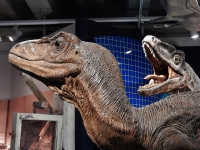
Te Papa is Wellington's leading attraction and one of the world's largest national museums. It's a tribute to all that is New Zealand; its people and history, natural environment, arts, and culture. Interactive technology and superb displays bring the story to life, with visitors able to experience the explosive creation of pre-historic New Zealand, go on a virtual bungee jump, experience the effects of a volcanic eruption, and much more. Other attractions include a range of magnificent exhibitions featuring some of the country's most important Maori treasures, a modern 'marae' or Maori meeting house, and an informative display on the Treaty of Waitangi.
Wellington Cable Car
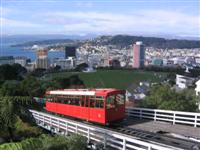
The cable car is one of the most popular tourist attractions in Wellington, and there is simply no better way to experience the destination's hidden charm. It takes people to the lookout at Kelburn, where there's a beautiful view over the city and across the harbour. Visitors can either take a return journey or walk back down through the beautifully landscaped Botanic Gardens. At the top terminus there's the small Cable Car Museum, which explains its history.
Mount Victoria
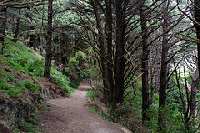
Mount Victoria, locally abbreviated to Mt Vic, is a prominent hill to the east of the centre of Wellington that's linked to Mount Albert by a ridge. The suburb of Mount Victoria is a blend of residential and commercial activity on the western flank of the ridge above the southern end of the Wellington CBD. Mt Vic boasts beautiful views of the city and the suburb is well populated by artisanal cafes and eateries that add to the local feel of the walk. Numerous scenes of were shot at this location.
Getting Around
Wellington is very compact and it is easy to explore on foot, but the public transport option is a good one, for the city has an excellent system. NZ Bus is the largest bus company in New Zealand and operates in the city. Taxis are plentiful and convenient; a cable car connects downtown Wellington to the Botanic Gardens on the hilltop. Ferries ply between Wellington harbour and the village of Eastbourne, and those wishing to explore the outlying regions such as the Hutt Valley, Wairarapa wine country, or Kapiti Coast can make use of the train.
Wellington Climate and Weather
Wellington's climate is mild, with plenty of wind. Summers are mild and sunny and winters are wet and mild. The average temperature in January and February (the two hottest months) is 61°F (16°C) and in July, the coldest month, the average temperature is 47°F (8°C).
New Zealand travel info
Electricity
The electrical current is 230 volts, 50Hz. Oblique flat blade plugs are standard.
Language
The official languages in New Zealand are English, Maori and New Zealand Sign Language.
Money
The local currency is the New Zealand dollar (NZD), which is divided into 100 cents. Most businesses accept MasterCard and Visa and, while Diners Club and American Express are also widely accepted in the main tourist centres, they might have limited acceptance elsewhere. ATMs can be found in all towns and cities.
Tipping
Gratuities are not expected in New Zealand, but it's acceptable for guests to tip at their discretion.
Health
There are no health risks associated with travel to New Zealand. New Zealand's Accident Compensation Commission (ACC) covers emergency treatment for visitors, but health insurance is recommended to cover any additional charges and for those not entitled to free emergency treatment. Those intending to participate in adventure activities, such as bungee jumping, white water rafting should ensure that their travel insurance covers these types of activities.
Safety
New Zealand has a reputation as one of the safest destinations in the world, but sensible precautions against petty theft are still advised. Among them, travellers should avoid leaving possessions in unattended vehicles, even if they're out of sight, and they should use the hotel safe if possible.
Travellers who plan on swimming in coastal waters should be aware that riptides are common and can be dangerous, and that several drownings are reported every year. Sharks, seals and other wildlife present a risk to swimmers in certain areas. Travellers should avoid unsupervised beaches and at all times follow the instructions and warnings of lifeguards.
Adventure tourism, which includes zip-lining, rock climbing or trekking, can be dangerous, especially if activities are not well-organised. Enthusiasts should educate themselves on best practices for safety, and arrange activities through a tour operator that meets international standards.
Local customs
Though New Zealand has a strong reputation for tolerance towards homosexuality, there are still isolated incidents of homophobic related crime. LGBT travellers should be aware of local sensitivities, especially when visiting rural areas. Importing illegal drugs is punishable by up to 12 years' imprisonment.
Doing business
New Zealand is ranked first in the World Bank's Ease of Doing Business rankings. The business culture of New Zealand conforms to a typically British model: formal, reserved and conservative. However, this is tempered with a characteristically Antipodean warmth and friendliness, creating a relaxed, yet professional atmosphere.
Business etiquette in New Zealand will be familiar to those who've worked in western corporate environments before. Foreigners should use titles until instructed not to do so, and maintain eye contact when speaking to their associates. Business meetings should be scheduled at least a week in advance, and then confirmed a few days before they are due to take place. The dress code for business in New Zealand is usually formal. For meetings, men should stick to a dark suit, worn with a tie; women should wear a smart dress, business suit or pants suit, and limited accessories.
The official language of business in New Zealand is English, and business hours are generally from 8.30am (or 9am) to 5pm, Monday to Friday; and 9am to 12.30pm on Saturdays.
Duty free
Travellers to New Zealand over 18 years do not have to pay duty on 50 cigarettes, or 50g of cigars or tobacco, or a mixture of all three not exceeding 50g; three bottles of spirits or liqueur each containing not more than 1,125ml; 4.5 litres of wine or beer; and other goods to the value of NZD 700. Goods exceeding the allowances must be declared. Personal effects not dutiable include items such as jewellery, binoculars, portable radios, prams, camping equipment, cameras and video cameras. Prohibited items include concealed firearms, foodstuffs, animals, plants and plant products. It is forbidden to export Greenstone, Maori antiquities and Paua shells (unless they are products manufactured from such shells). Prescription medications need to be accompanied by a doctor's letter and the original prescription, they should not amount to more than three months worth of the medication.
Communications
The international access code for New Zealand is +64. The outgoing code is 00 followed by the relevant country code (e.g. 0061 for Australia). A good option is to purchase a local prepaid SIM card at the airport on arrival. Alternatively travellers use eSIMs if their cellular providers support it on their networks. WiFi access is widely available in hotels, restaurants and other tourist establishments, except in some of the more remote areas.
Passport & Visa
All foreign passengers to New Zealand must hold return or onward tickets, the necessary travel documentation for their next destination, and proof of sufficient funds to cover their expenses while in the country (usually NZD 1,000 per month, or NZD 400 if accommodation has been prepaid). All visitors must obtain a permit to enter Tokelau from the Tokelau Apia Liaison Office in Apia, at least two weeks prior to travel. It's highly recommended that travellers' passports have at least six months' validity remaining after the intended date of departure from their travel destination. Immigration officials often apply different rules to those stated by travel agents and official sources.
Entry requirements
US citizens must have a passport that is valid for at least three months beyond the date of departure from New Zealand. No visa is required for stays of up to three months. Travellers must have a New Zealand Electronic Travel Authority (NZeTA) obtained prior to boarding.
UK citizens must have a passport that is valid for at least three months beyond their date of departure from New Zealand. No visa is required for stays of up to six months. Travellers must have a New Zealand Electronic Travel Authority (NZeTA) obtained prior to boarding.
Canadian citizens must have a passport that is valid for at least three months beyond the date of departure from New Zealand. No visa is required for stays of up to three months. Canadians must have a New Zealand Electronic Travel Authority (NZeTA) obtained prior to boarding.
Australian citizens must have a passport that is valid upon their arrival in New Zealand. No visa is required. An NZeTA is not required.
South African citizens must have a passport that is valid for at least three months beyond the period of intended stay in New Zealand. South Africans require a visitor visa that must be organised prior to travel.
Irish citizens must have a passport that is valid for at least three months beyond the period of intended stay in New Zealand. No visa is required for stays of up to three months. They must have a New Zealand Electronic Travel Authority (NZeTA) obtained prior to boarding.
Useful contacts
Tourism New Zealand, Wellington:+64 4 462 8000 or www.tourismnewzealand.com
111 (All Emergencies)