

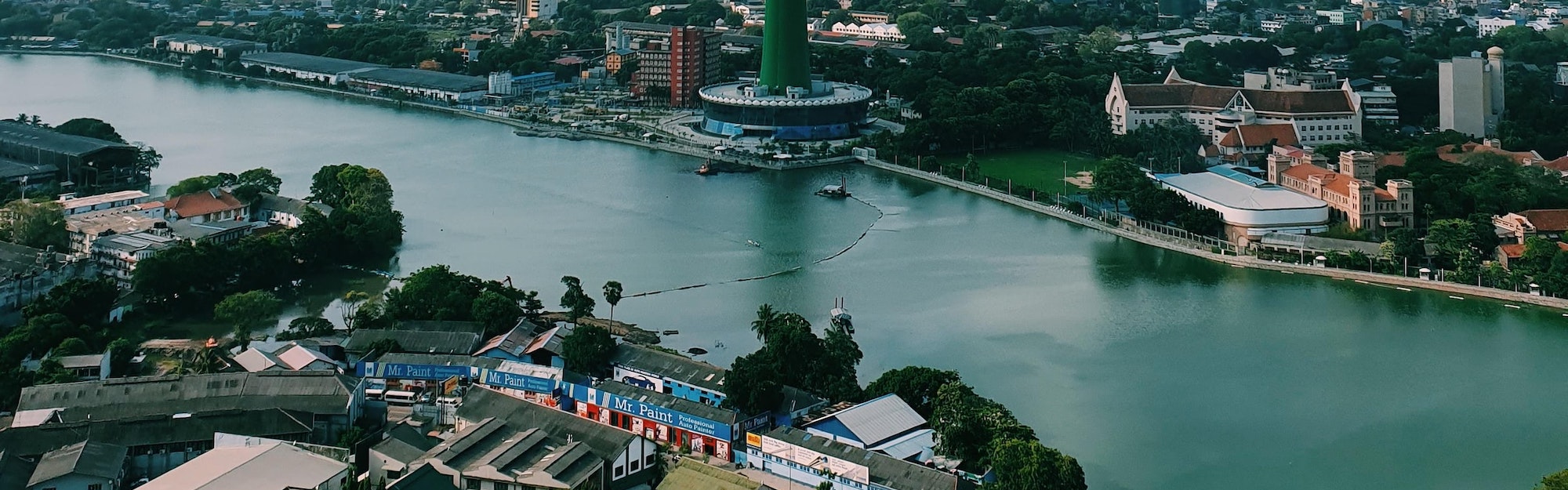

Colombo Travel Guide
Colombo, Sri Lanka's capital, is a vibrant tapestry of cultural and historical influences, with pockets of unexpected beauty tucked into its lively sprawl. Set along the island's western coastline, the city is within easy reach of many of Sri Lanka's top holiday destinations, including Galle to the south and Kandy in the central highlands. Though often seen as a gateway rather than a destination in its own right, Colombo has its own set of attractions worth exploring.
The city's energy is most palpable along Galle Road, a main artery running parallel to the coast from the historic Fort district down to Galle. This road buzzes with frenetic traffic and activity, threading together Colombo's diverse suburbs. At its northern end, Fort, which was once the colonial heart of the city, now serves as the central business district. Here, colonial-era buildings from Dutch, Portuguese, and British rule stand alongside modern office towers, shops, and government institutions.
Just east of Fort lies Pettah, Colombo's most colourful and chaotic bazaar district. Its narrow streets brim with market stalls and shops selling everything from fresh produce to textiles and precious stones; a true sensory overload.
Further south, the city opens up to the seafront promenade known as Galle Face Green, a popular gathering place for locals to fly kites, play cricket, and watch the sunset over the Indian Ocean. Not far from here is Cinnamon Gardens, one of Colombo's most elegant neighbourhoods, known for its tree-lined avenues, stately mansions, and the tranquil Viharamahadevi Park.
For those craving sand and sea, Mount Lavinia, Colombo's nearest beach resort, lies just six miles (10km) away. With its relaxed atmosphere and colonial charm, it makes for a perfect coastal escape from the city buzz.
Things to do in Colombo
Most visitors spend only a short time in Colombo, usually at the beginning or end of their journey through Sri Lanka. The capital's frenetic traffic and chaotic energy can be overwhelming, making it less appealing as a long-term holiday base. However, Colombo does have its charms, and for those willing to explore, it offers a vibrant mix of colour, culture, and intriguing attractions. Highlights include the National Museum, the bustling Pettah Bazaar, and a number of beautiful temples. Visitors also enjoy strolling along the scenic Galle Face seafront and sampling the city's delicious local cuisine.
Colombo is home to a number of fascinating places of worship representing the country's rich religious diversity. The serene Seema Malaka Temple, set on the peaceful waters of Beira Lake, offers a welcome escape from the city's hustle and bustle. Another standout is the Isipathanaramaya Temple, a striking blend of sacred space and museum, known for its elaborate architecture and atmosphere of quiet reverence.
For Christian visitors and locals alike, St. Anthony's Church is a much-loved site of pilgrimage, where it's believed the saint responds to every prayer. The historic Dutch Wolvendaal Church, though weathered on the outside, holds centuries of history within its walls and features a collection of intriguing old Dutch gravestones.
Colombo's climate is hot and humid year-round, so lightweight clothing and sun protection are essential. While the city can be visited at any time, it's best to avoid the two main monsoon seasons, which run from May to August and again from October to January, when heavy rains can put a damper on outdoor activities.
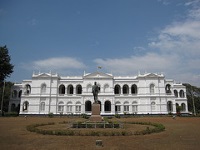
Colombo National Museum
Established in 1877, the Colombo National Museum is Sri Lanka's oldest and largest museum. Housed in an elegant white colonial building, it features a vast collection of artefacts, including the regalia of the last Kandyan kings and over 4,000 ancient palm leaf manuscripts. Though not world-class by global standards, it offers a compelling insight into the island's cultural and historical heritage. The adjacent Natural History Museum showcases Sri Lanka's flora and fauna. Photography is allowed with a permit, and there's a café and craft shop on-site, making the museum a worthwhile stop for culture and history enthusiasts.
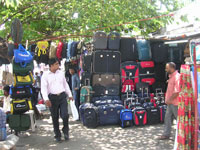
Pettah
Colombo's Pettah district is a bustling bazaar where streets are packed with market stalls selling everything from fresh produce to gold and textiles. It's lively, chaotic, and not for the faint-hearted. Bargaining is essential, as tourists are often quoted inflated prices. A highlight is the Dutch Museum, a restored 17th-century mansion once home to Count August Carl Van Ranzow, now showcasing colonial-era artefacts. Nearby, the striking Jami Ul-Alfar Mosque, built in 1909, features red-and-white striped architecture and is one of the city's most iconic landmarks. Pettah is overwhelming but offers a vivid glimpse into Colombo's vibrant street life.
Dehiwala Zoological Garden
Colombo's zoo has a fine collection of animals, birds, reptiles and fish from all over the world but, in particular, showcases the fauna of the island. The complex includes an aquarium, displaying more than 500 varieties of aquatic life. There's also a walk-through aviary, reptile enclosure and butterfly park. One of the most popular attractions at the zoo is the daily elephant show, which takes place at about 5.15pm. Another favourite feature is the sea lion show, which is great fun for kids. Animals in the park include hippos, flamingos, kangaroos, lemurs, monkeys, orangutans, leopards, lions, otters, raccoons, rhinos, giraffes and tigers. The zoo has a good selection of animals and receives great reviews from some visitors, and also places an emphasis on animal conservation and welfare.
Adam's Peak
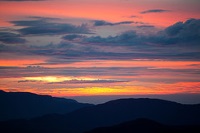
Rising 7,358 feet (2,243m), Adam's Peak (also known as Sri Pada) is one of Sri Lanka's most revered pilgrimage sites. At its summit lies a mysterious footprint-shaped impression, believed by Buddhists to be Buddha's, by Hindus to be Shiva's, and by Christians and Muslims to be Adam's or St. Thomas's. The climb, via what's said to be the world's longest stairway, is especially popular at night to catch the stunning sunrise. At dawn, the mountain casts a perfect triangular shadow over the landscape. The panoramic views of jungle-covered peaks and the spiritual atmosphere make it a truly unforgettable experience.
Trincomalee
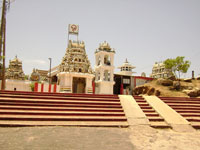
Trincomalee (or Trinco), on Sri Lanka's northeast coast, is famed for its stunning natural harbour, which was long coveted by colonial powers. The Portuguese, Dutch, French, and British all held it at various times, and during WWII it served as a key British naval base. Today, it's home to the Sri Lankan Navy and a peaceful beach getaway. Just north of town, the soft white sands of Nilaveli and Uppuveli attract sunseekers and snorkellers alike. Cultural highlights include Fort Frederick, built by the Portuguese; Wellington House; and the sacred Koneswaram Temple at Swami Rock, perched dramatically above the sea.
Horton Plains National Park and World's End
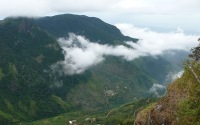
Located in the central highlands of Sri Lanka, Horton Plains National Park contains some of Sri Lanka's highest mountains, covered in thick forest, misty lakes, and hidden waterfalls. The park is one of the only parks in Sri Lanka that allows guests to hike on their own on designated trails. The park is home to many animals, including Samabr Deer, wild boar, otter, leopard, macaques and many species of bird, and exploring the trails is very rewarding. The most popular tourist attraction in Horton Plains National Park is World's End, a sheer precipice with a 2,850-foot (870m) drop at the southern boundary of the park. From the top of the cliff, visitors have a spectacular view of the surrounding hills which extends as far as the Indian Ocean, dozens of miles away, on clear days. The hike to World's End is 6.2 miles (10km) and takes roughly three hours. Visitors should note that from 9am to 10am there is usually a thick blanket of mist over the valleys that totally obscures the view from the cliff, and the best time to see World's End is early in the morning. The path can be crowded on weekends, when large groups of tourists tend to scare away any wildlife in the area.
Colombo Climate and Weather
Colombo has a tropical monsoon climate, with hot and humid weather year-round and little variation in temperature. Instead of four seasons, the city experiences two rainy periods: from May to August and again from October to December. These months are more humid, with heavier rainfall, particularly in May, October, and November. Outside of these periods, rain is less frequent and generally not disruptive.
Average temperatures range from 75°F (24°C) to 87°F (31°C), but can climb as high as 97°F (36°C), especially when humidity peaks. Luckily, Colombo offers plenty of ways to cool off, from the Indian Ocean and Kelani River to the city's canal network and central Beira Lake.
The best time to visit is between January and April or in September, when the weather is drier and more comfortable. No matter when travellers go, they should pack light, breathable clothing, a sunhat, and sunscreen to stay cool and protected.
Sri Lanka travel info
Electricity
The electrical supply is 230 volts at 50 Hz, using round, three-pin plugs.
Language
Sinhala and Tamil are the official languages, though the former has far more speakers. English is spoken at most tourist establishments.
Money
The unit of currency is the Sri Lankan Rupee (LKR), divided into 100 cents. ATMs are increasingly common, especially in urban areas, though international cards may be less frequently accepted outside major cities or tourist hotspots. Credit cards are widely accepted in larger centres, making it easy to pay for goods and services, but as with any destination, it's wise to keep an eye on card transactions to ensure security.
For those who prefer cashless options, Apple Pay and Google Pay are becoming more accepted in Sri Lanka, particularly in urban areas and at larger establishments. While these options are growing in availability, their use may still be somewhat limited outside major cities, so it's a good idea to carry some physical cash as a backup.
Foreign currency can be exchanged conveniently at bureaux de change, banks, or hotels, with banks often offering the most favourable rates. Banks are closed on Sundays, so it's best to plan ahead for any exchange needs.
Tipping
A 10 percent service charge is added to most restaurant and hotel bills. Tipping is appreciated for almost all services, and small amounts are sufficient; a 10 percent tip will be fine if there's any doubt as to a suitable amount.
Health
Food and waterborne illnesses are the most common health concerns for travellers to Sri Lanka. It's best to stick to bottled or boiled water, avoid ice in drinks, and eat food that's freshly cooked and served hot. Visitors are usually advised to get vaccinated for hepatitis A and B, typhoid (especially if visiting rural areas), and Japanese encephalitis for longer stays in the countryside. Routine vaccinations should be up to date. A yellow fever vaccination certificate is only required if arriving from a country where the disease is present. Mosquito-borne illnesses such as dengue, chikungunya, and Japanese encephalitis are present, so bring insect repellent and wear protective clothing. Travel insurance is strongly recommended. Medical care outside Colombo and other major cities may be limited, and some medications can be hard to find so bring any essential prescriptions.
Safety
Most visits to Sri Lanka are safe and enjoyable. As with travel anywhere, visitors should stay aware of their surroundings and keep an eye on local news. Problems involving tourists are rare, but it's still wise to take basic precautions. Women travelling alone should avoid isolated places after dark. Credit card fraud can happen, so stick to ATMs in trusted locations and check transactions regularly. Since the civil war ended in 2009, the north and east have opened up and are now popular with visitors.
Local customs
Sri Lanka is a culturally rich and welcoming destination, and a little local awareness goes a long way. Visitors should avoid photographing military or government buildings, and shouldn't pose with their backs to Buddha statues, as this is seen as disrespectful. They should also dress modestly when visiting temples by covering their shoulders and knees, and removing shoes and hats before entering. Topless sunbathing is not permitted.
Same-sex relationships are still criminalised under Sri Lankan law, though enforcement is rare and there's growing support for reform. LGBTQ+ travellers should exercise discretion in public.
Drinking and smoking are fine in licensed venues but often restricted in public areas such as transport hubs and religious sites. Travellers should look for signage or ask locally if they're unsure.
Respect and politeness are highly valued. Public criticism or raised voices can cause embarrassment, so a calm and courteous approach is appreciated. Understanding these customs will help ensure a smooth and respectful visit.
Doing business
In Sri Lanka's warm climate, business attire tends to be conservative. In formal sectors, men are typically expected to wear lightweight suits, while women often opt for conservative dresses or business suits. In more casual sectors, attire may be less formal, but it's advisable to dress neatly and professionally. Appointments should be scheduled in advance, and it's customary to exchange business cards upon first meeting. Punctuality is highly valued; arriving late for meetings is generally considered impolite. Standard business hours are from 8.30am to 5pm, Monday through Friday, with a lunch break around midday.
Duty free
Visitors over 18 may bring in, duty-free, up to two litres of wine, 1.5 litres of spirits, 250ml of eau de toilette, a small amount of perfume, and souvenirs worth up to USD 250. Tobacco allowances include 200 cigarettes, 50 cigars, 200g of tobacco, or 200 beedi. These items must be declared on arrival.
A certificate of registration for tobacco products is required only for Sri Lankan residents, not tourists carrying permitted amounts. Personal items of value should also be declared to ensure duty-free re-export.
Restricted items include firearms, ammunition, explosives, plants, fruits, birds, prescription medication (only for personal use), and goods for commercial purposes. Prohibited items include narcotics, pornography, and material offensive to religious beliefs.
Communications
The international country dialling code for Sri Lanka is +94. The outgoing code is 00, followed by the relevant country code (e.g. 0044 for the United Kingdom). Travellers can purchase local prepaid SIM cards for unlocked phones; WiFi is standard in hotels and guesthouses.
Passport & Visa
Visitors to Sri Lanka must have a passport with at least six months of validity from the date of arrival. While a return or onward ticket isn't mandatory for the Electronic Travel Authorization (ETA), it's strongly recommended. Immigration officials may request proof of onward travel to ensure visa compliance.
Travellers must also show proof of sufficient funds for their stay, though there's no set amount. Bank statements or credit card statements are commonly accepted as proof.
An ETA can be applied for online before travel or obtained on arrival, but it's recommended to apply in advance to avoid delays.
It's essential that travellers' passports remains valid for at least six months beyond their intended departure date from Sri Lanka. Immigration officials may apply different rules than those provided by travel agents or official sources.
Entry requirements
US nationals require passports that's valid for at least six months from their expected date of departurre. Travellers must apply online for an Electronic Travel Authorization (ETA), the short-term visa required to visit Sri Lanka. An ETA allows for a short visit of up to 30 days.
UK nationals require passports that's valid for at least six months from their expected date of departurre. Travellers must apply online for an Electronic Travel Authorization (ETA), the short-term visa required to visit Sri Lanka. An ETA allows for a short visit of up to 30 days.
Canadian nationals require passports that's valid for at least six months from their expected date of departurre. Travellers must apply online for an Electronic Travel Authorization (ETA), the short-term visa required to visit Sri Lanka. An ETA allows for a short visit of up to 30 days.
Australian nationals require passports that's valid for at least six months from their expected date of departurre. Travellers must apply online for an Electronic Travel Authorization (ETA), the short-term visa required to visit Sri Lanka. An ETA allows for a short visit of up to 30 days.
South African nationals require passports that's valid for at least six months from their expected date of departurre. Travellers must apply online for an Electronic Travel Authorization (ETA), the short-term visa required to visit Sri Lanka. An ETA allows for a short visit of up to 30 days.
Irish nationals require passports that's valid for at least six months from their expected date of departurre. Travellers must apply online for an Electronic Travel Authorization (ETA), the short-term visa required to visit Sri Lanka. An ETA allows for a short visit of up to 30 days.
New Zealand nationals require passports that's valid for at least six months from their expected date of departurre. Travellers must apply online for an Electronic Travel Authorization (ETA), the short-term visa required to visit Sri Lanka. An ETA allows for a short visit of up to 30 days.
Useful contacts
Sri Lanka Tourism: +94 11 242 6900 or www.srilanka.travel
110 (Ambulance), 118 (Police)