


Belize City Travel Guide
For most travellers, Belize City is the first stop in the country, whether they arrive by air or come in on a cruise ship. It's the largest urban centre in Belize and the main gateway to the cayes, the reef and the interior, though it isn't the country's main attraction in its own right. Even so, the city has a lived-in, distinctly Belizean character, shaped by its waterfront setting and long, layered history.
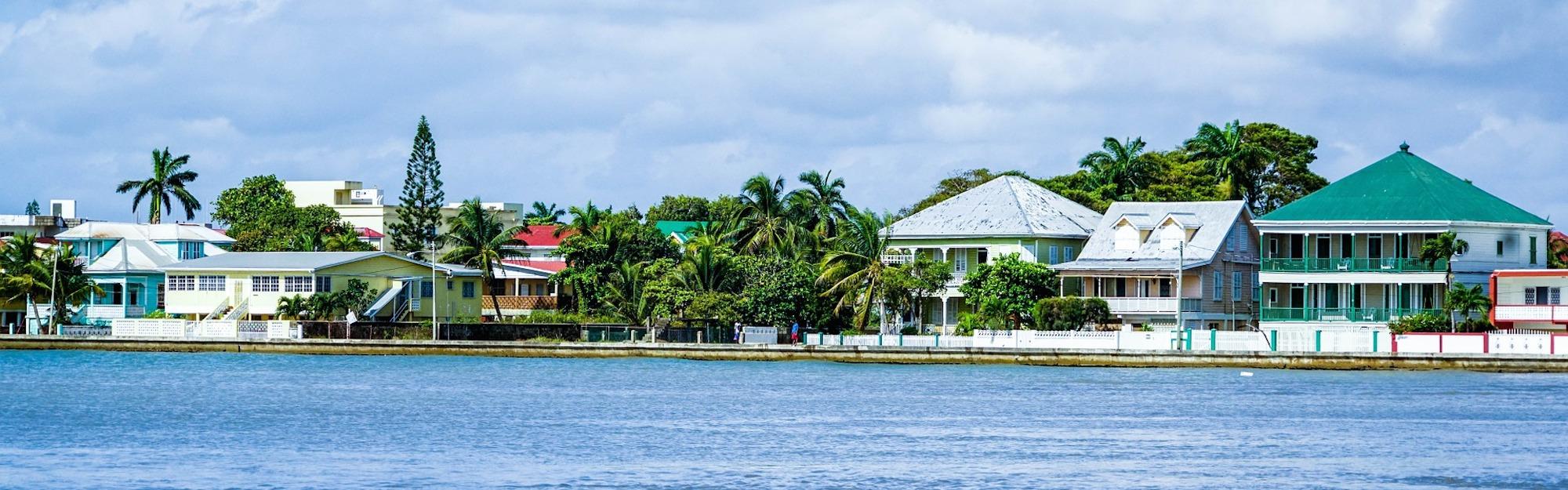
Belize City sits at the mouth of the Belize River, stretched along Haulover Creek in a low-lying area once covered in mangroves. Its layout is a blend of narrow streets, older wooden houses, neighbourhood shops and a scattering of modern buildings, forming a patchwork that reflects both its past and its gradual evolution. Some areas feel worn, others quietly graceful, and together they create a mix that can be unexpectedly appealing to visitors who take the time to look.
The city's roots run deep. It grew from early British Baymen settlements and later became the centre of colonial administration. Over the centuries it endured fires, storms, epidemics and, most significantly, Hurricane Hattie in 1961, which ultimately prompted the relocation of the capital to Belmopan. Despite these setbacks, Belize City remained the country's cultural and commercial hub, carrying forward a sense of resilience that is still evident today.
Cruise passengers usually arrive at the Belize Tourism Village, which acts as a convenient base for excursions into the interior or out toward the reef. Independent travellers also tend to pass through the city, and there are a few worthwhile sights for those with a day or two to spare. The hand-cranked Swing Bridge is one of the city's most recognisable landmarks. St John's Cathedral, built from bricks once used as ballast on sailing ships, offers a quiet glimpse into the region's past. The Museum of Belize provides insight into Maya artefacts and colonial history, while the Bliss Centre has gallery space and cultural performances along the waterfront.
Belize City may not be the highlight of most itineraries, but it has its own rhythm and warmth. Visitors often catch small, memorable moments of everyday life, such as fishing boats moving along the creek, students walking home from school, cafés opening their shutters, before continuing on to the beaches, forests and islands that define the rest of the country.