

Country guides
 Africa
Mauritania Travel Guide
Located in northwestern Africa, Mauritania is a land of stark contrasts where Arab and African cultures converge. Much of the population belongs to Moorish communities, while Afro-Mauritanian groups such as the Tukulor, Wolof and Soninke are concentrated in the southern regions. The country's complex social and political landscape reflects deep historical divisions, but its raw beauty and cultural depth offer a rewarding experience for intrepid travellers.
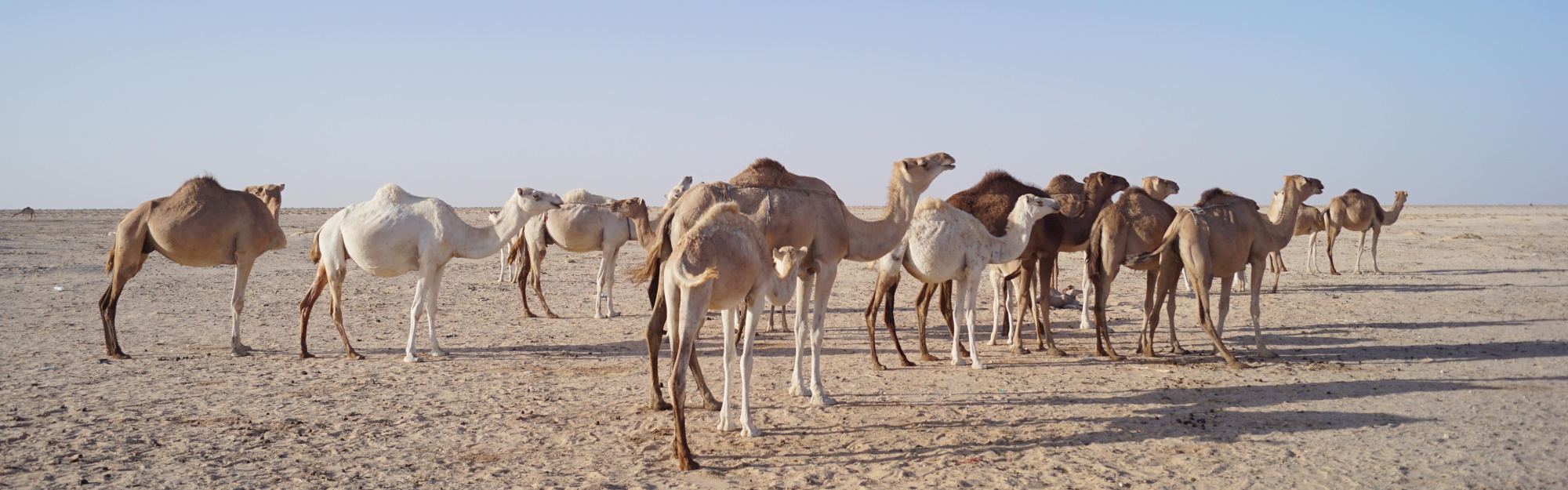
Roughly 90 percent of Mauritania lies within the vast Sahara Desert. The landscape is defined by rolling sand dunes, rocky plateaus, dramatic cliffs, and some of the least populated expanses in West Africa. The central region is broken by occasional escarpments, while the Atlantic coast stretches for more than 468 miles (750km) and features unspoilt sandy beaches with minimal development. For those seeking solitude and striking scenery, Mauritania delivers in abundance.
Tourism is highly seasonal. The intense summer heat, from May to September, sees a sharp drop in visitors, while the cooler months from November to March are ideal for travel. Many adventurers arrive overland through Morocco or across the Senegal River, often en route to the historic caravan towns of Chinguetti and Ouadane. The capital, Nouakchott, along with Nouadhibou and Atar, have limited but functional accommodation, mainly in the form of small hotels and guesthouses.
Mauritania's tourist infrastructure remains basic, and much of the country is best explored with the help of reputable tour operators. Independent travel is possible but challenging, particularly outside urban centres. Travellers often rely on 4x4 vehicles, ranging from aging sedans to rugged jeeps, and are advised to journey in groups or convoys, especially in desert regions.