

Country guides
 Asia
Asia
Philippines Travel Guide
The Philippines, a hidden gem in Southeast Asia, is a place brimming with beauty and discovery. Its pristine beaches beckon visitors to unwind on soft, palm-fringed shores, while the crystal-clear waters offer world-class diving and snorkelling opportunities. Beyond the coastlines, the archipelago offers a rich tapestry of cultural experiences that are as unforgettable as they are diverse.
Visitors typically fall into one of two categories: those who seek the convenience of a package tour, eager to relax at well-known beach resorts in Boracay, Bohol or Puerto Galera; and the independent adventurers, drawn to explore the islands in search of excitement and thrill.
Regardless of travel style, the Philippines offers experiences that simply can't be missed. Manila, the vibrant capital, pulses with energy, a city of contrasts where chaos meets charm. The historic Intramuros, with its Spanish colonial architecture, transports visitors to another time, while Binondo, one of the oldest Chinatowns in the world, buzzes with life, colour and flavour.
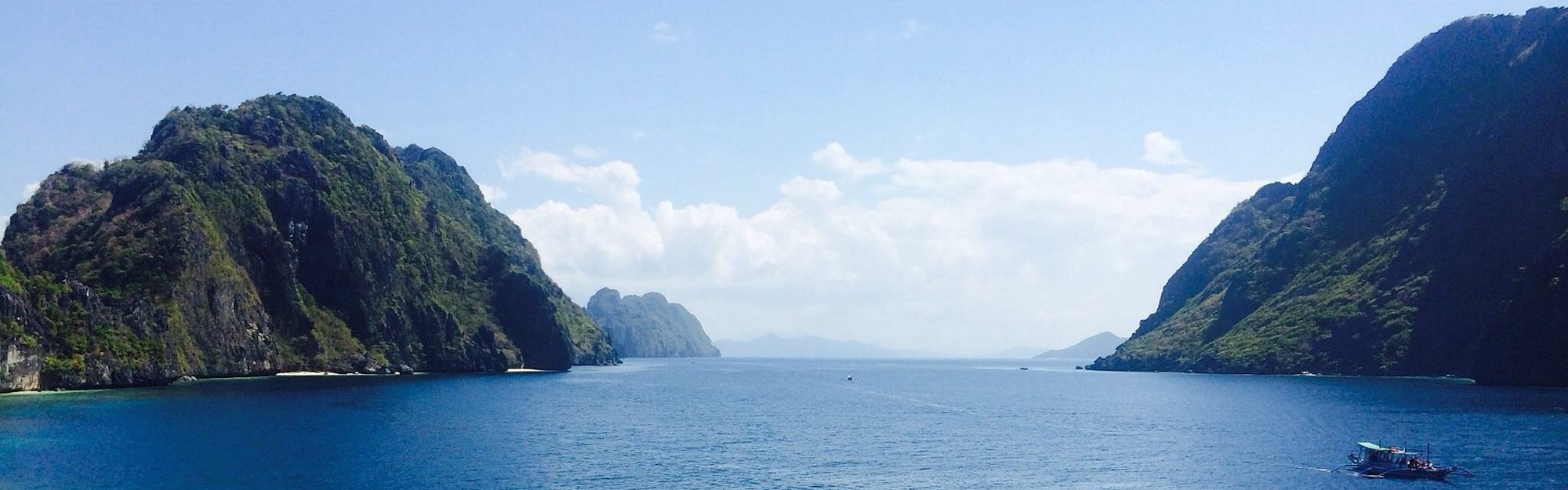
For nature lovers, the Philippines is nothing short of a paradise. The Chocolate Hills of Bohol, with their smooth, symmetrical peaks, are a marvel to behold. Equally mesmerising is the Puerto Princesa Subterranean River National Park, a stunning natural wonder that holds a place among the New 7 Wonders of Nature. With lush landscapes and breath-taking vistas at every turn, the Philippines promises a journey of discovery like no other.
Best time to visit the Philippines
The Philippines has a tropical climate characterised by distinct dry and rainy seasons. Weather-wise, the best time to visit is between November and April. However, this is also peak tourist season, meaning flight and accommodation prices will be higher.
What to see in the Philippines
-Fort San Pedro offers some fascinating insights into Spanish colonial rule in the Philippines.
-The Chocolate Hill, a vast plain consisting of between 1200 and 1800 conical hills formed from grass-covered limestone.
-The Taal Volcano is a must-see natural attraction, and is accessed from the holiday hotspot of Tagaytay City.
-The enclave of Intramuros, Manila's oldest district. Visitors will be amazed by the thick walls and rich history surrounding Fort Santiago.
What to do in the Philippines
-A trip to the Puerto Princesa Subterranean River National Park, located on the island of Palawan, is a must for visitors to the Philippines.
-Visitors can explore the archipelago's incredible coral reefs and rich marine life by going diving at world-class sites in Boracay, Cebu or Palawan.
-Tourists can go shopping in Binondo, Manila's Chinatown, before eating in one of the district's famous converted movie theatre restaurants.
-Numerous island hopping tours are available in the Philippines.
Getting to the Philippines
Cheap flights to the Philippines are easy to find from American and European destinations, although the only direct flight from the US to Manila is from San Francisco. Tourists who plan to visit the central or southern Filipino islands (such as Palawan, Bohol, Boracay and Mindanao) should think about purchasing an 'open jaw' ticket, which will see them fly into Manila and then out of Cebu.
Read
Dusk by F. Sionil Jose, Dogeaters by Jessica Hagedorn, and Cebu by Peter Bacho.
Watch
Amigo (2010)
Eat
Lechon (whole-roasted suckling pig), puchero (beef prepared with banana and tomato), kare-kare (oxtail cooked in peanut sauce) and adobo (chicken, pork or squid stewed in vinegar, soy sauce, garlic, peppercorns and bay leaves), or try balut: the national delicacy.
Drink
Tanduay Rum, mixed with fresh fruit juice.
What to buy
Hand-woven bags, baskets and mats, embroidered shirts and skirts, hammocks and bamboo flutes.
What to pack
Visitors should pack sunscreen and lightweight clothing, as well as a small, ideally waterproof, backpack that can hold items such as bottled water, toilet paper, insect repellent and antibacterial hand-soap while they're on day excursions.
What's on in the Philippines
The Sinulog Festival takes place on the third Sunday of every January, and celebrates one of the country's most famous historic relics: the Santo Nino de Cebu. Celebrations last for the first three weeks in January, culminating with the big dance parade. Travellers should also visit the island of Marinduque for the 200-year-old Moriones Festival (April), where locals recreate the story of Saint Longinus. Cebu's Fete de la Musique (June) is another fantastic event, which features 150 bands playing on seven different stages. The annual 'Black Nazarene' procession takes place in the second week of January, when devotees follow the Christ statue through Manila (usually the Quiapo District). They believe the statue will protect them from harm and bring health, wealth and happiness in the coming year.
Did you know?
-The Filipino flag is the only flag in the world that is flown upside-down during times of war.
-About 350 to 400 million text messages are sent every day in the Philippines, which is more than the US and Europe put together.
-The Philippines has more than 200 volcanoes, although many are not active.
A final word
An archipelago blessed with great weather and astounding natural scenery, the Philippines is emerging as a great destination for snorkelling and diving enthusiasts, as well as an all-action stop on the southeast Asian backpacking circuit.