

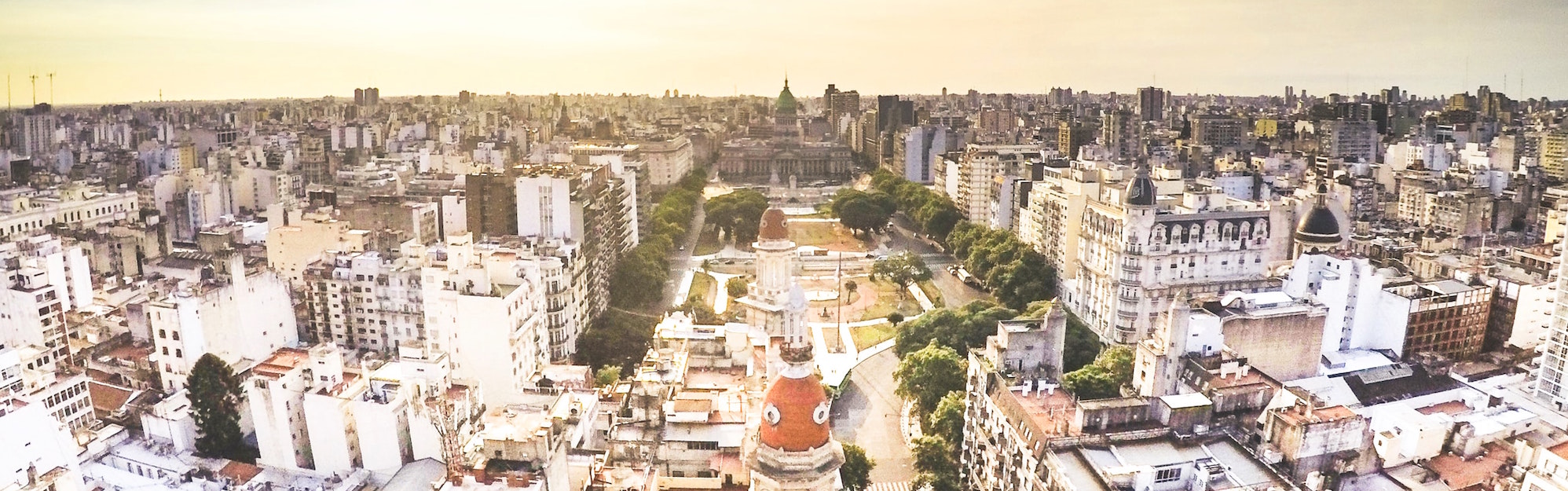

Things to do in Buenos Aires
Buenos Aires, which means 'fair winds' in Spanish, offers a wide range of attractions for visitors. While the city is lively both day and night, most sightseeing is best enjoyed during daylight hours, when its colours, architecture and energy are on full display. Walking is a great way to explore, though buses, bikes and taxis are also convenient options.
A visit to Recoleta Cemetery is a highlight, particularly the famous tomb of Eva Perón, Argentina's former First Lady and the inspiration for the musical . In the downtown area, travellers can admire elegant European-style buildings and classic city charm. Over in Palermo, they can rent paddleboats, visit the rose garden or relax in one of the many leafy parks.
Palermo Viejo, with its cobblestone streets, small cafés, bookshops, and independent boutiques, promises a more creative, bohemian vibe. In La Boca, the colourful Caminito pedestrian street draws crowds with its tango dancers, street art and handmade crafts. Nearby, visitors can tour La Bombonera Stadium, home of Boca Juniors, or stop by the National Immigration Museum for a glimpse into Argentina's multicultural past.
The Recoleta Cultural Center is another worthwhile stop. Originally a convent built in the 1700s, it now hosts art exhibitions, performances and cultural events in one of the city's most historic buildings.
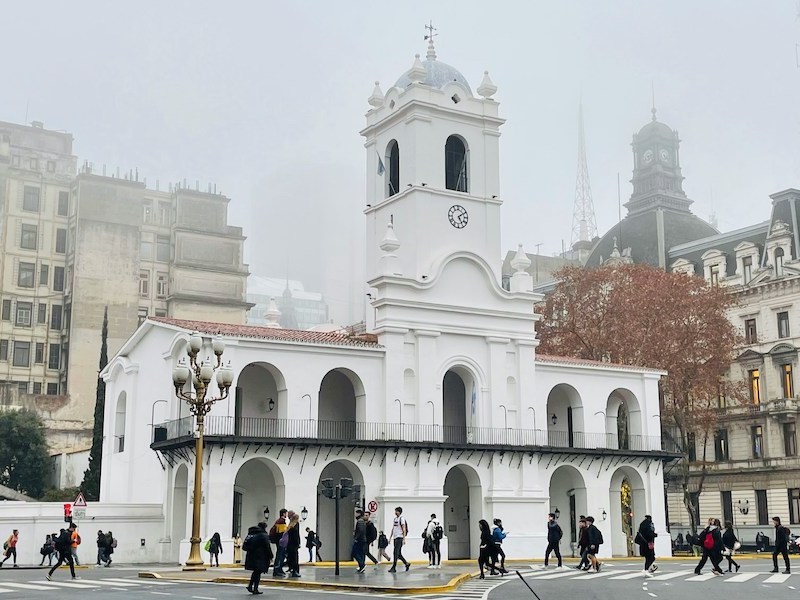
Cabildo
The Cabildo lies just off Plaza de Mayo, near the Casa Rosada, and is a beautifully preserved colonial building that once served as the seat of government in Buenos Aires. Its whit…
Cabildo
The Cabildo lies just off Plaza de Mayo, near the Casa Rosada, and is a beautifully preserved colonial building that once served as the seat of government in Buenos Aires. Its white arches and historic charm make it a standout on the square. Inside, the National Museum of the Cabildo and the May Revolution showcases artefacts from Argentina's colonial and early independence era, including religious icons, documents and everyday items. The quiet courtyard and occasional cultural events offer a peaceful break from the city's bustle, and a chance to connect with its layered past.
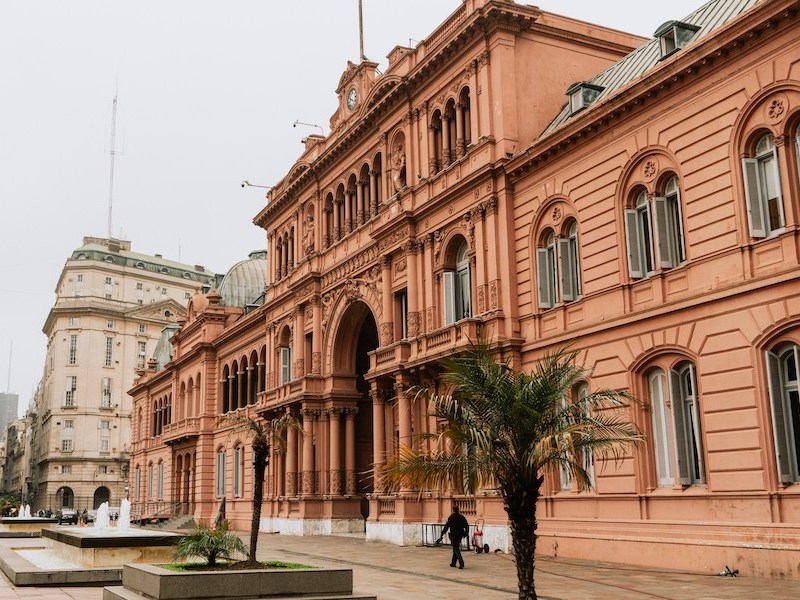
Casa Rosada
The iconic Casa Rosada is Argentina's presidential palace and stands as a symbol of power, protest and national pride. Overlooking Plaza de Mayo with its pink Italianate facade, pa…
Casa Rosada
The iconic Casa Rosada is Argentina's presidential palace and stands as a symbol of power, protest and national pride. Overlooking Plaza de Mayo with its pink Italianate facade, palm trees and fountains, the building has witnessed some of the country's most defining moments. It was from its famous balcony that Eva Perón, Argentina's beloved and controversial First Lady, addressed crowds in the 1940s, becoming a symbol of both compassion and political influence. Declared a National Historic Monument, the Casa Rosada also houses a museum beneath its foundations, where visitors can explore Argentina's presidential history through artefacts, documents and personal items from eras both celebrated and contested.
Catedral Metropolitana
Located in Plaza de Mayo, the neoclassical Catedral Metropolitana (Metropolitan Cathedral) is one of Buenos Aires' most important historic landmarks. It holds the tomb of General J…
Catedral Metropolitana
Located in Plaza de Mayo, the neoclassical Catedral Metropolitana (Metropolitan Cathedral) is one of Buenos Aires' most important historic landmarks. It holds the tomb of General José de San Martín, a national hero who helped free Argentina, Chile and Peru from Spanish rule. His mausoleum is guarded by statues representing those three countries. The cathedral also holds the remains of other independence figures. Though the site dates back to the 1500s, the current building features 18th- and 19th-century design. Inside, visitors will find beautiful mosaic floors, a silver-plated altar, colonial artwork, and the impressive Walcker Organ, built in 1871.
La Recoleta Cemetery
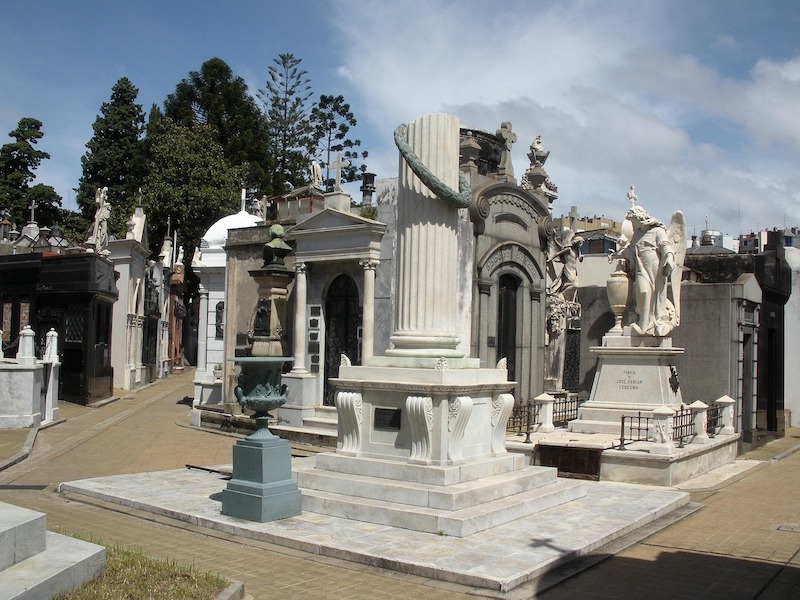
La Recoleta Cemetery is one of Buenos Aires' most unusual and fascinating attractions. Known for its elaborate tombs and statues, it's the final resting place of many of Argentina'…
La Recoleta Cemetery
La Recoleta Cemetery is one of Buenos Aires' most unusual and fascinating attractions. Known for its elaborate tombs and statues, it's the final resting place of many of Argentina's most famous figures. Among them is Eva Perón, the beloved First Lady who championed the poor and became a symbol of social justice. Her grave, surprisingly modest, is the most visited and is often adorned with fresh flowers from admirers. The cemetery holds over 4,700 ornate vaults across just five and a half hectares. Urban legends add to its mystique, including tales of ghostly whispers and a baby said to cry at night.
Plaza Dorrego
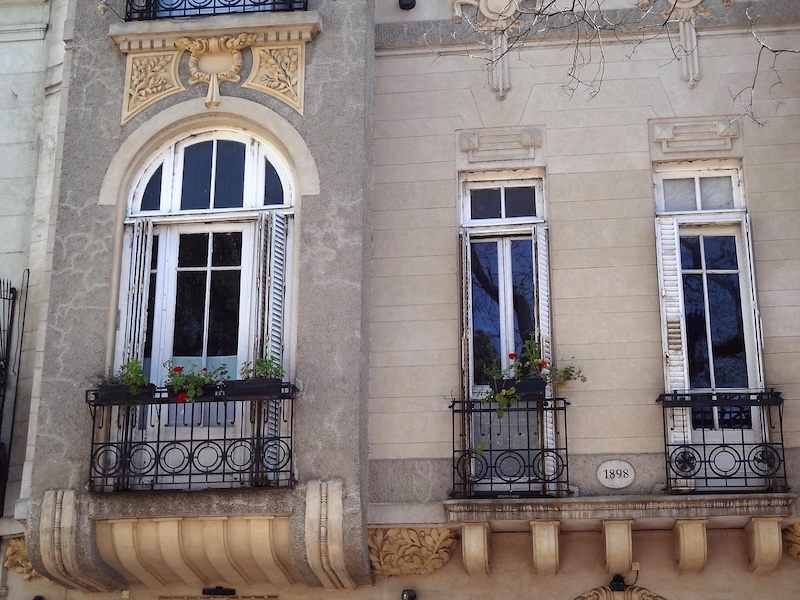
Plaza Dorrego lies in San Telmo, the bohemian heart of Buenos Aires and one of the birthplaces of tango. This charming square is surrounded by elegant colonial houses, and is now h…
Plaza Dorrego
Plaza Dorrego lies in San Telmo, the bohemian heart of Buenos Aires and one of the birthplaces of tango. This charming square is surrounded by elegant colonial houses, and is now home to antique shops, cafés and bars with tables spilling onto cobbled streets. Nearby, visitors will find top museums such as the Museo Histórico Nacional and the Museo de Arte Moderno. Every Sunday, the plaza hosts the lively Feria de San Telmo, a bustling market full of vintage treasures and handmade crafts. As evening falls and stalls are packed away, tango dancers take over the square, enchanting locals and tourists alike.
Teatro Colon
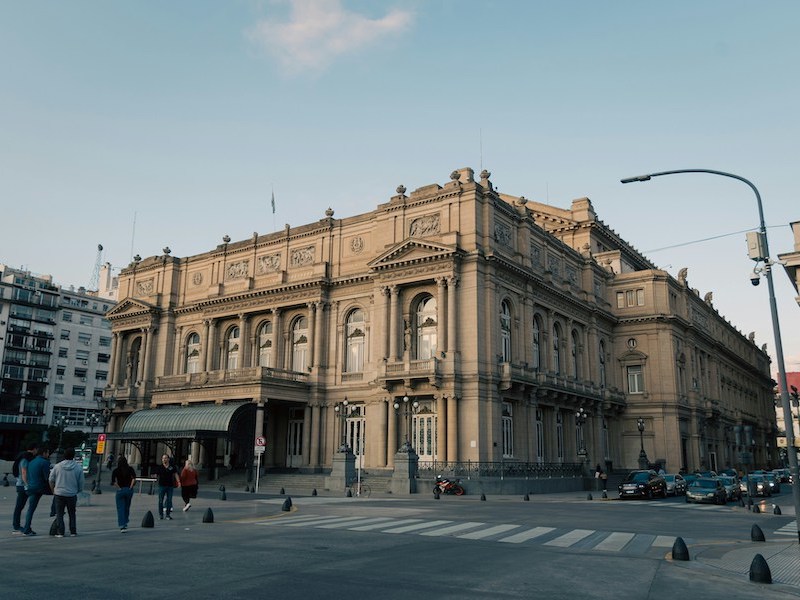
The Teatro Colón, inaugurated in 1908, is one of the most prestigious opera houses in the world and a jewel of Buenos Aires. Originally designed by Italian architect Francesco Tam…
Teatro Colon
The Teatro Colón, inaugurated in 1908, is one of the most prestigious opera houses in the world and a jewel of Buenos Aires. Originally designed by Italian architect Francesco Tamburini, the project was continued by Vittorio Meano, who oversaw much of the construction before his untimely death in 1904. The Belgian architect Jules Dormal then completed the building, finalising its richly decorated interior that blends Italian Renaissance and French styles. The theatre seats nearly 2,500 and is renowned for its near-perfect acoustics, praised by Pavarotti and others. It has hosted stars such as Nijinsky, Pavarotti, and Domingo, and is home to the Teatro Colón's Superior Arts Institute. Guided tours explore the auditorium, stage, rehearsal rooms and workshops.
Website www.teatrocolon.org.ar
La Boca
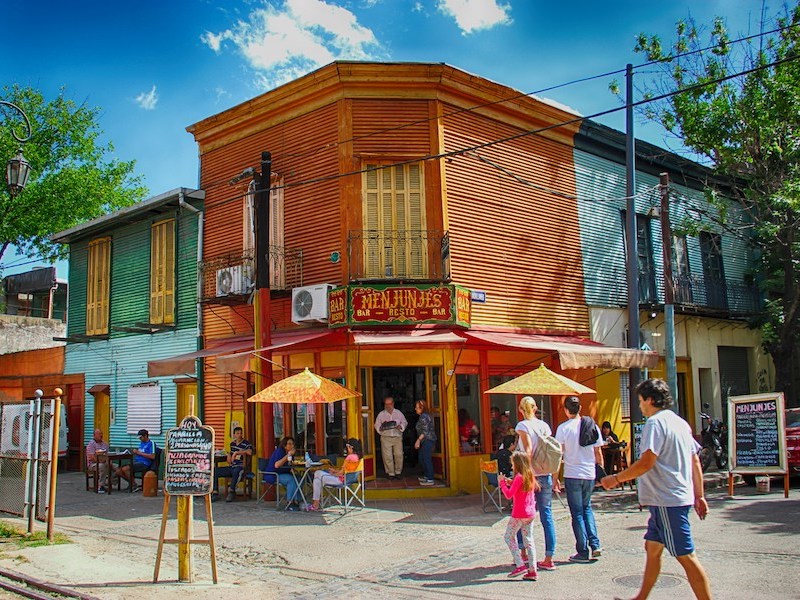
Situated in the southeast of Buenos Aires at the mouth of the Riachuelo River, La Boca is the city's most colourful barrio and one of the birthplaces of tango. Originally settled b…
La Boca
Situated in the southeast of Buenos Aires at the mouth of the Riachuelo River, La Boca is the city's most colourful barrio and one of the birthplaces of tango. Originally settled by Genoese immigrants, the neighbourhood features bright houses made of wood and corrugated metal lining streets filled with artisans, painters, street performers, cantinas, and open-air tango shows. It's also the childhood home of football legend Diego Maradona. Today, La Boca attracts many tourists eager to soak up its lively atmosphere, enjoy picturesque cafes, and visit landmarks such as La Ribera Theatre and La Bombonera, home of the famous Boca Juniors football club.
Floralis Generica
Located in the leafy Recoleta neighbourhood, Floralis Genérica is a striking steel and aluminium flower sculpture created by Argentine architect Eduardo Fernando Catalano. Standin…
Floralis Generica
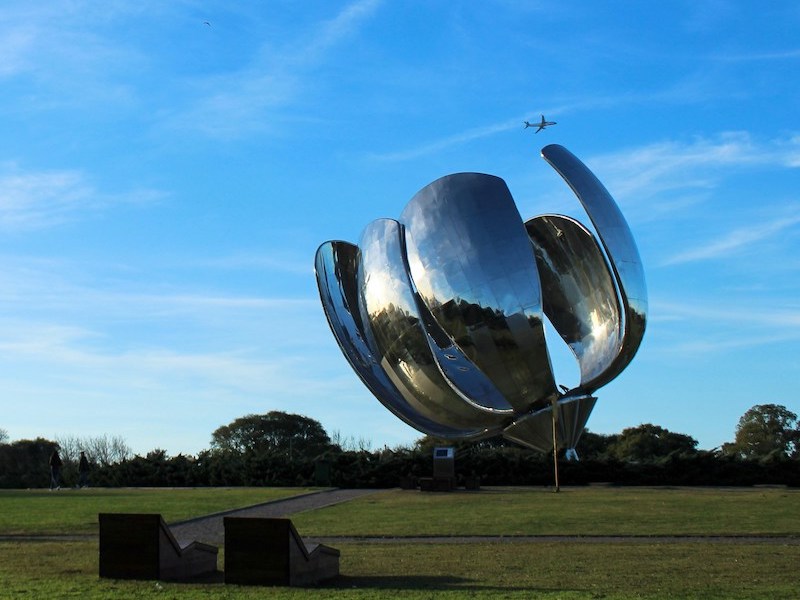
Located in the leafy Recoleta neighbourhood, Floralis Genérica is a striking steel and aluminium flower sculpture created by Argentine architect Eduardo Fernando Catalano. Standing about 75-feet (23m) tall, the sculpture's petals are designed to open at dawn and close at dusk, reflecting sunlight with a soft pink glow in the evening. While the opening and closing mechanism has experienced technical issues over the years, leading to occasional periods when the flower remains open, maintenance is ongoing. The sculpture sits atop a reflecting pool, surrounded by landscaped gardens that evoke a natural woodland setting. It remains a must-see artistic landmark in Buenos Aires.
Avenida nueve de Julio
At about 416-feet (127m) wide, Avenida 9 de Julio (July 9 Avenue) spans an entire city block and is often cited as the world's widest avenue. Named after Argentina's Independence D…
Avenida nueve de Julio
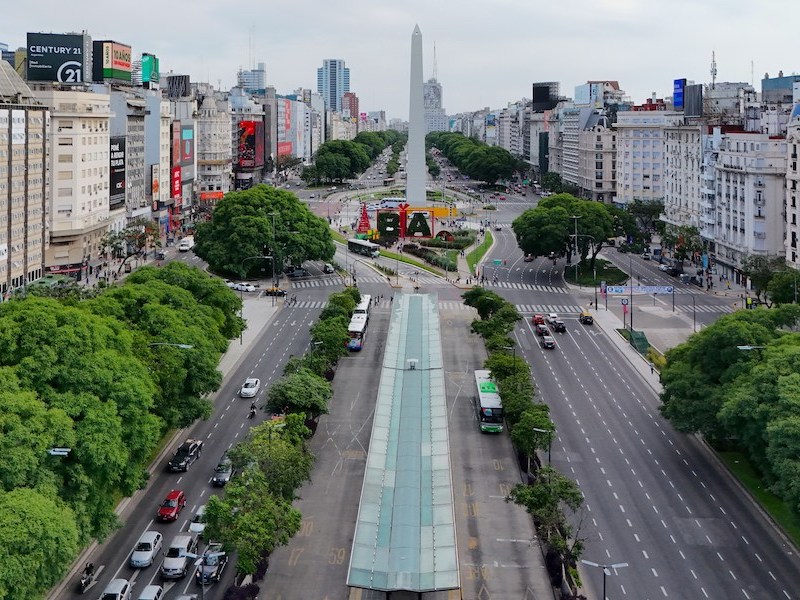
At about 416-feet (127m) wide, Avenida 9 de Julio (July 9 Avenue) spans an entire city block and is often cited as the world's widest avenue. Named after Argentina's Independence Day on July 9, the avenue was planned in the late 19th century but mainly built during the mid-20th century. It runs from the Retiro district in the north to Constitución station in the south, roughly 0.62 miles (1km) west of the Rio de la Plata waterfront. With 18 lanes of traffic (nine on each side) the avenue features the iconic 220-foot-tall (67m) Obelisk standing at its centre, marking the heart of Buenos Aires.
Planetario Galileo Galilei
The Planetario Galileo Galilei (Galileo Galilei Planetarium) sits in the middle of the Bosques de Palermo (the largest, most famous park in Buenos Aires), and its giant dome makes …
Planetario Galileo Galilei
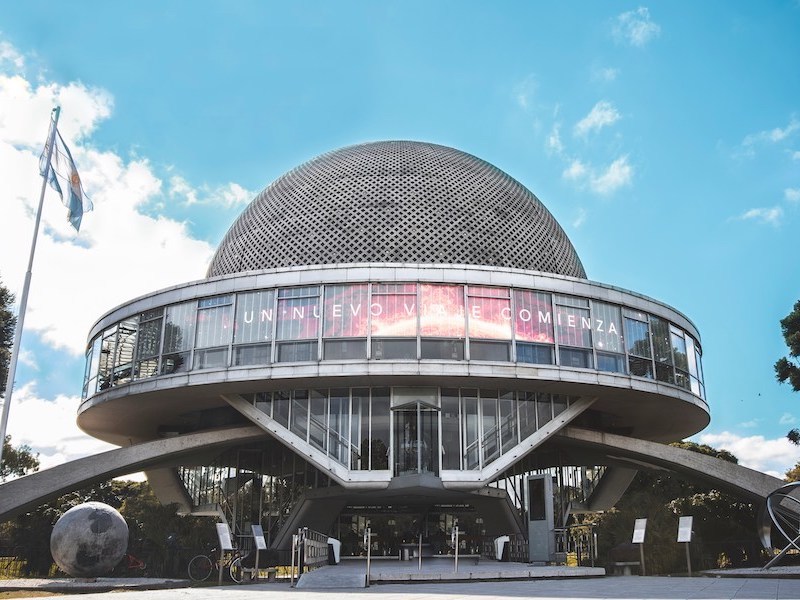
The Planetario Galileo Galilei (Galileo Galilei Planetarium) sits in the middle of the Bosques de Palermo (the largest, most famous park in Buenos Aires), and its giant dome makes it easy to spot. Inside, the main room features a 60-foot (20m) dome and 360 seats, where visitors can enjoy fun, family-friendly shows about space, stars and the solar system. The lineup changes regularly, so there's always something new to see. There's also a small museum with some fascinating exhibits, including a real moon rock, fossils of ancient sea creatures, and a metallic meteorite from Chaco Province. It's perfect for curious kids and space-loving adults alike.
Jardin Botanico Carlos Thays
Located in the heart of Palermo, the Jardín Botánico Carlos Thays, or simply, the Buenos Aires Botanical Garden, is a peaceful spot that's great for families. Opened in 1898 and …
Jardin Botanico Carlos Thays
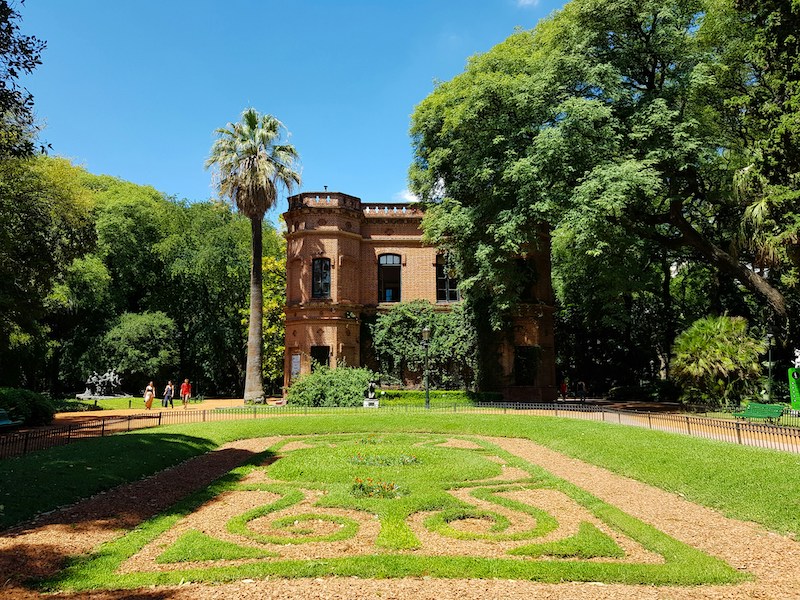
Located in the heart of Palermo, the Jardín Botánico Carlos Thays, or simply, the Buenos Aires Botanical Garden, is a peaceful spot that's great for families. Opened in 1898 and designed by landscape architect Carlos Thays, it features plants from around the world arranged in themed sections inspired by Roman, French and Oriental garden styles.
Kids will enjoy exploring the wide lawns, winding paths and a beautiful Art Nouveau greenhouse filled with tropical plants. The garden also includes sculptures, fountains and a small nature library that's open to the public.
Friendly cats roam the grounds, cared for by local volunteers, adding to the garden's charm. Whether for a picnic or a relaxing walk, this green space offers a refreshing break from the city.