

City guides
 Australia
Tasmania
Australia
Tasmania
Things to do in Hobart
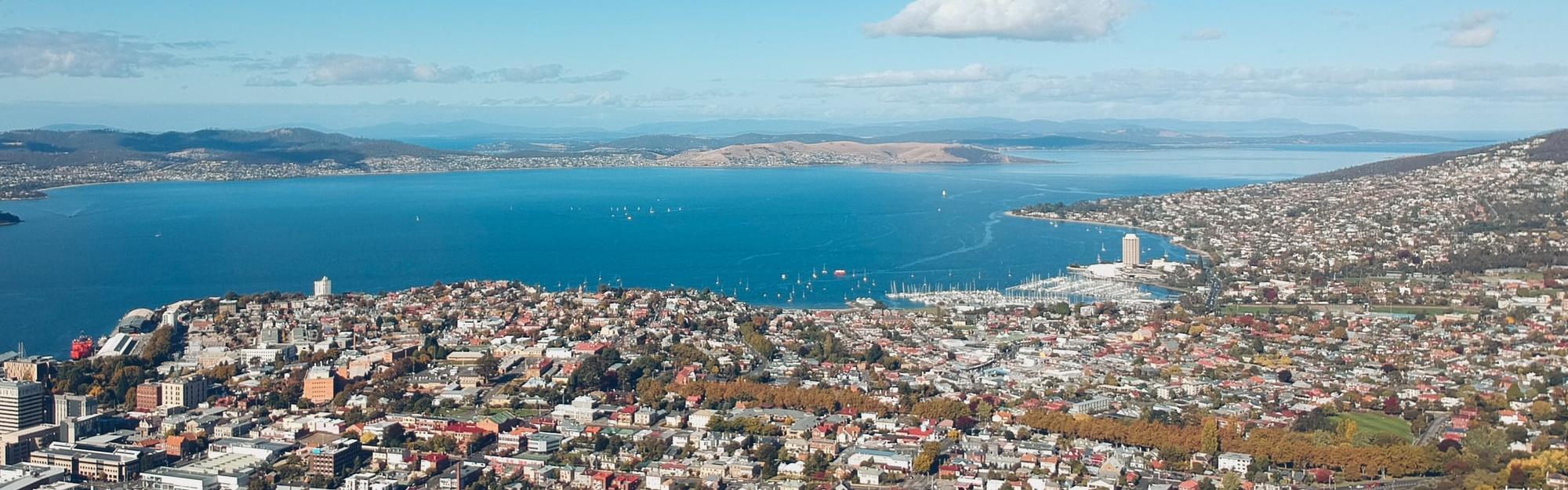
The second oldest city in Australia, Hobart is a captivating destination. Established in 1804 as a penal settlement, the city is steeped in history and framed by the majestic, often snow-capped Mount Wellington.
Visitors can stroll along the riverfront to admire Georgian and Victorian architecture, then explore Battery Point, where golden sandstone cottages give the area a warm glow. On Saturdays, Salamanca Place comes alive with markets, galleries, theatres, and cafés nestled among historic sandstone warehouses dating back to the 1830s.
Hobart's museums offer plenty to explore. The Tasmanian Museum and Art Gallery features the island's unique wildlife, including the Tasmanian Devil and artefacts from the extinct Tasmanian Tiger. The Maritime Museum of Tasmania highlights the whaling industry, Aboriginal boats, and historic shipwrecks.
For food and wine lovers, a trip to the Coal River Valley and nearby Moorilla vineyard offers world-class wines and gourmet cuisine. The See Tasmania Card gives access to over 30 attractions and tours across the state.
Compact and easy to explore on foot or by bicycle, Hobart also has an efficient Metro bus service with day passes, while ferries from Franklin Wharf connect visitors to scenic spots around the harbour.
Cradle Mountain
One of Tasmania's most popular attractions, Cradle Mountain-Lake St Clair National Park was inscribed on the UNESCO World Heritage List in 1982. The park features ancient rainfores…
Cradle Mountain
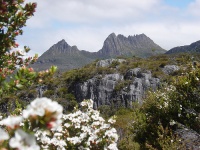
One of Tasmania's most popular attractions, Cradle Mountain-Lake St Clair National Park was inscribed on the UNESCO World Heritage List in 1982. The park features ancient rainforest, alpine heathlands, button grass plains, and stands of deciduous beech trees. Trails wind through forests of King Billy pines around Cradle Mountain, offering superb day walks, while the famed Overland Track stretches about 40 miles (65km) from Cradle Mountain in the north to Lake St Clair in the south, and is usually completed over several days. Mountain huts along the track provide accommodation, and nearby Cradle Mountain Lodge offers log cabins in a peaceful setting.
Lake St Clair, a narrow 8.7 miles (14km) long waterway in the park's south, is Australia's deepest natural freshwater lake, plunging to around 525 feet (160m).
Website www.parks.tas.gov.au/index.aspx?base=3297
Port Arthur
Port Arthur is located in the far south of Tasmania on the Tasman Peninsula, about 65 miles (100 km) southeast of Hobart. Originally a timber station in the early 1800s, it became …
Port Arthur
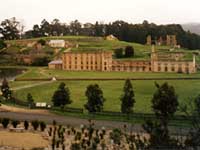
Port Arthur is located in the far south of Tasmania on the Tasman Peninsula, about 65 miles (100 km) southeast of Hobart. Originally a timber station in the early 1800s, it became a penal settlement around 1830, quickly earning a reputation as 'hell on earth' for the convicts sent there. Today, Port Arthur lies within 40 hectares (100 acres) of English oaks and landscaped gardens, serving as a memorial to Australia's convict past. Visitors can purchase an all-day ticket, which includes a guided walking tour of the ruins and restored buildings, a harbour cruise, and access to the visitor centre and interpretation gallery. One of the site's most popular experiences is the Historic Ghost Tour, held at night. The scenic drive from Hobart along the Tasman and Arthur Highways takes about an hour and a half.
Website www.portarthur.org.au
Devonport
Lying on Tasmania's north coast, where the Mersey River meets Bass Strait, Devonport is the island's welcoming northern gateway. Many visitors arrive by the Spirit of Tasmania ferr…
Devonport
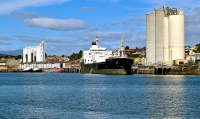
Lying on Tasmania's north coast, where the Mersey River meets Bass Strait, Devonport is the island's welcoming northern gateway. Many visitors arrive by the Spirit of Tasmania ferry or through the local airport, discovering a city that blends coastal charm with maritime heritage. Highlights include the Bass Strait Maritime Centre, Mersey Bluff's ocean views, and foreshore trails leading to the historic Don River Railway. Centrally located, just under three hours from Hobart and close to Cradle Mountain-Lake St Clair National Park, Devonport is an ideal base for exploring the wilderness and attractions of northwest Tasmania.
Mount Wellington
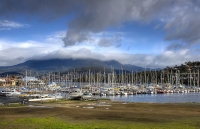
Rising 4,170 feet (1,271 metres) above the city, Mount Wellington, known to the local Palawa people as kunanyi, dominates Hobart's skyline. Its forested slopes and alpine summit of…
Mount Wellington
Rising 4,170 feet (1,271 metres) above the city, Mount Wellington, known to the local Palawa people as kunanyi, dominates Hobart's skyline. Its forested slopes and alpine summit offer sweeping panoramic views across southern Tasmania. Travellers can drive the winding Pinnacle Road to the summit or take a bus to Fern Tree and hike one of several trails, such as the steep Pinnacle Track. The mountain is often dusted with snow in winter and occasionally even in summer. Wellington Park also features excellent walking and mountain biking tracks, making it a favourite destination for outdoor enthusiasts exploring the wild backdrop to Tasmania's capital.
Website www.wellingtonpark.org.au
The Wall in the Wilderness
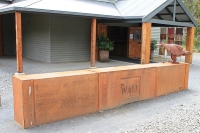
The Wall in the Wilderness lies in the heart of Tasmania near Derwent Bridge, and is an ambitious project by Australian sculptor Greg Duncan. Carved from Huon Pine, the massive fri…
The Wall in the Wilderness
The Wall in the Wilderness lies in the heart of Tasmania near Derwent Bridge, and is an ambitious project by Australian sculptor Greg Duncan. Carved from Huon Pine, the massive frieze depicts Tasmania's history from pre-colonial Aboriginal life to European settlement, forestry, hydroelectric development, and the extinction of the Tasmanian tiger. The Wall will ultimately comprise around 50 panels, each 10 feet (3m) high and carved on both sides, giving roughly 3,200 square feet (300 sq m) of detailed engravings. The work is ongoing, but the carvings are already extensive, offering both an artistic and educational experience.
Website www.thewalltasmania.com.au